Fiber Metabolism and Gut Microbes in Celiac Disease
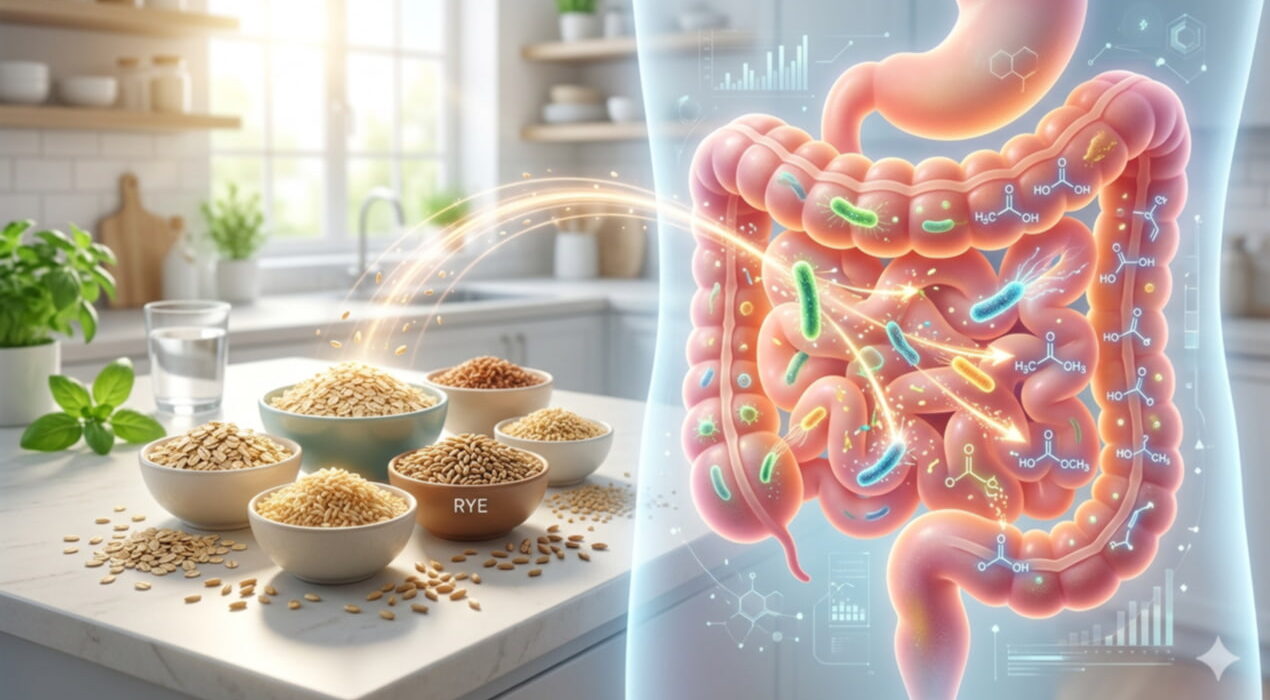
Celiac disease affects not just the gut lining but also fiber metabolism. Studies in mice show that microbial saccharolytic activity is essential for digesting fiber. Mice with normal microbiota had higher short-chain fatty acids (SCFAs) than germ-free controls, highlighting the microbiota’s key role.
Microbial Manipulation in Mice
Researchers compared germ-free mice with those colonized by complex microbiota. SPF mice produced much more SCFAs, especially acetic acid, mainly in feces. Inulin supplementation further increased SCFA receptor expression along the small intestine in SPF mice but had no effect in germ-free mice. Colonizing germ-free mice with Prevotellaceae strains plus inulin raised small intestinal SCFA levels, demonstrating microbial contributions to fiber metabolism.
Fiber and Gluten-Free Diet Response
In mouse models, HylonVII and inulin groups became seronegative at 12 weeks, though antibodies remained elevated earlier. Histology showed that inulin accelerated gut healing, supporting gluten-free diet (GFD) responses. Humans with celiac disease often consume less fiber, especially on a GFD. Missing whole grains like wheat, rye, oats, and barley may reduce total SCFA production, limiting gut recovery. Treated patients partially restore microbial fiber metabolism, but evidence is still indirect.
Implications and Future Research
Impaired fiber metabolism in celiac disease is not only dietary but also microbial. Supplementing fiber and introducing key microbes could improve gut health. Prevotellaceae species show promise for immunomodulatory therapy and are under study for autoimmune diseases. Future trials should investigate fiber intake, microbial supplementation, and gut symptoms to confirm these findings.