Meningococcal Disease Cases Rise in Canada: Risks, Symptoms and Prevention
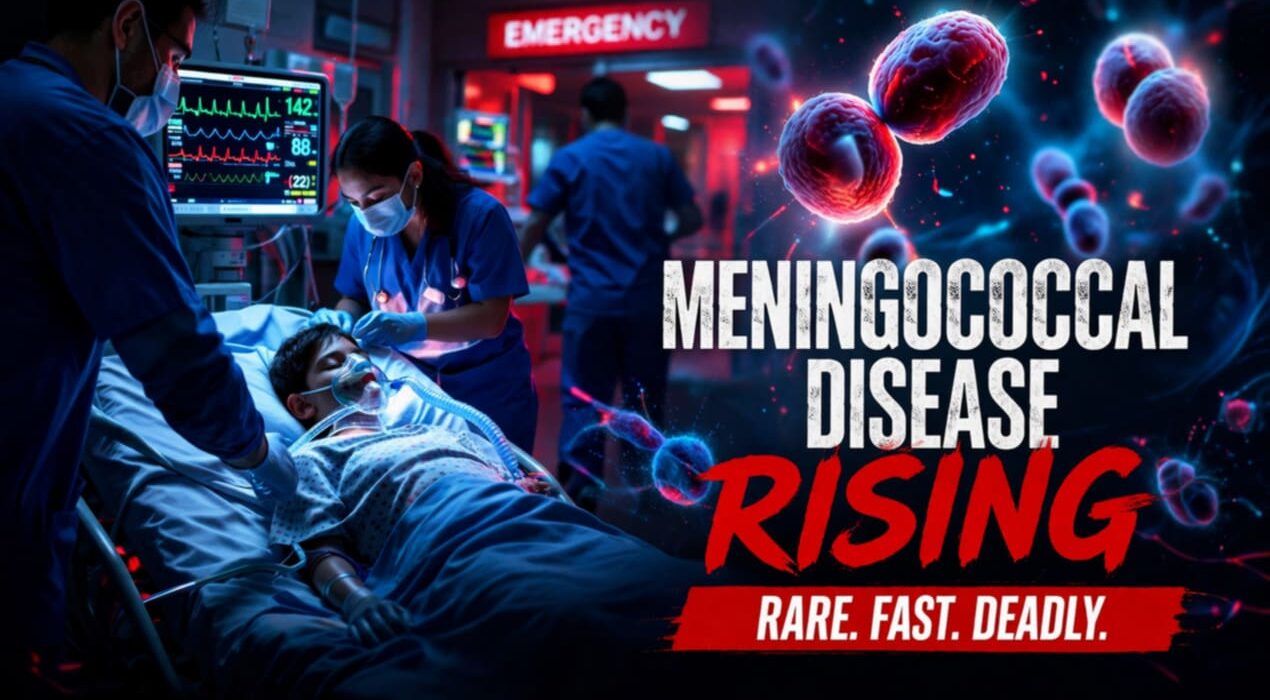
Meningococcal disease is a rare but severe bacterial infection that can escalate quickly and cause life-threatening complications. Recent data shows that cases in Canada have reached their highest level in more than a decade, raising concern among health experts. Although the infection is uncommon, its impact can be devastating, especially for vulnerable groups such as infants and young adults.
Rising cases and public health concern
Public health data indicates a steady increase in meningococcal disease cases since the pandemic. Reported infections rose from 48 cases in 2021 to nearly 100 in 2023. Preliminary figures suggest at least 132 cases in 2024 and 155 in 2025, marking the highest numbers recorded since 2012. This upward trend has prompted health authorities to closely monitor the situation and emphasize the importance of awareness and early detection.
Severe symptoms and complications
The disease is caused by Neisseria meningitidis bacteria and can lead to serious conditions such as meningitis, bloodstream infections, and sepsis. Symptoms may appear suddenly and worsen rapidly. As a result, immediate medical attention is critical. Even with treatment, the infection carries a death rate of around 14 percent in Canada. Survivors often face long-term health issues, including hearing loss, neurological damage, and, in severe cases, limb amputations. Therefore, the consequences extend far beyond the initial illness.
Prevention and awareness remain key
Despite its rarity, the severity of meningococcal disease makes prevention essential. Vaccination remains one of the most effective ways to reduce risk, particularly for high-risk groups. In addition, recognizing early symptoms and seeking prompt care can significantly improve outcomes. Health experts stress that increased awareness is crucial as cases continue to rise. By understanding the risks and taking preventive measures, individuals and communities can better protect themselves against this serious infection.