Toxic Lead Clothes Risk: Study Warns About Children’s Safety
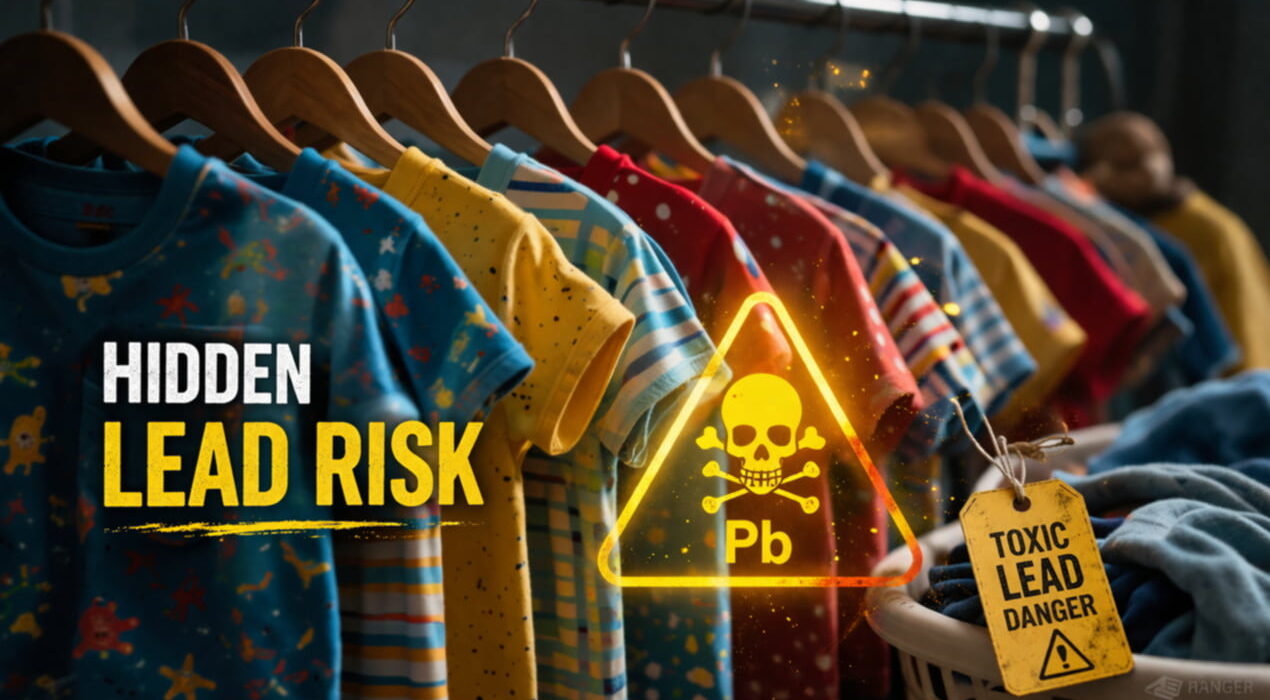
Bright, colorful kids’ outfits may hide a serious danger: toxic lead clothes. Fast fashion helps parents keep up with growing children. However, some garments may carry harmful metals.
Researchers tested shirts from several retailers and found concerning results. Every sample exceeded U.S. safety limits for lead. As a result, even short chewing exposure may harm children.
Young kids often chew fabric during daily play. Therefore, this habit may increase their exposure quickly. Experts warn that early exposure can affect development and health.
What Sparked This Research
Kamila Deavers led the study after a personal experience. Her child once showed elevated lead levels from toy coatings. This happened before stricter safety limits were introduced.
Today, authorities set limits for lead in children’s products. However, awareness about clothing risks remains low. Therefore, Deavers began studying everyday exposure sources with students.
She noticed many reports about lead in fast fashion. In addition, she found that many parents lacked awareness. This discovery pushed her team to investigate further.
Why Bright Fabrics May Be Risky
Researchers found that bright fabrics released more bioaccessible lead. For example, red and yellow garments showed higher levels. Muted colors, however, released less harmful material.
Some manufacturers may use chemicals to fix dyes onto fabric. These methods can make colors vibrant and long lasting. However, they may also introduce harmful substances.
Children face higher risks because their bodies are still developing. As a result, even small exposure levels can have stronger effects.
Safer Choices and Future Solutions
Experts suggest choosing trusted brands and simpler designs. In addition, washing new clothes can reduce surface chemicals. Parents should also stay updated on product safety alerts.
Safer alternatives for dyeing fabrics already exist today. For example, plant-based materials and safer compounds can replace harmful chemicals. However, change may take time and investment.
Raising awareness remains the most important step. Therefore, informed choices can help protect children from hidden risks.