US Iran Ceasefire Tension Oil Prices Rise, Stocks Slide Globally
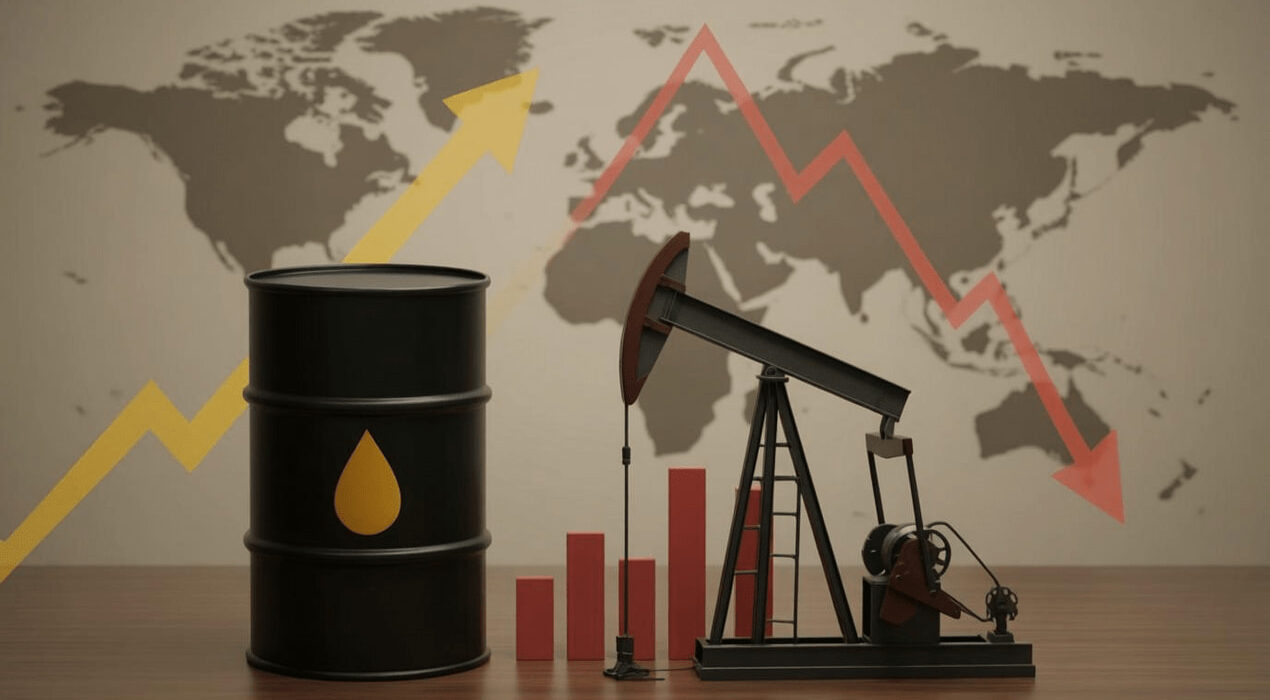
Oil prices rose on Thursday as US Iran ceasefire tension increased. Investors grew cautious as signs of conflict returned. As a result, global stock markets slipped. Earlier, markets had reacted positively to a temporary truce. However, that optimism faded quickly. Concerns about stability pushed oil higher again.
Cracks Appear in the Truce
The ceasefire was announced by US President Donald Trump for two weeks. Iran had also agreed to reopen the Strait of Hormuz. Therefore, markets initially surged. Soon after, issues began to emerge. Israel continued strikes in Lebanon against Hezbollah. Meanwhile, US officials said Lebanon was not part of the deal.
Iran strongly disagreed with this stance. In addition, officials warned that the agreement had already been violated.
Strait of Hormuz Risks Return
Reports suggested the Strait of Hormuz faced disruptions again. This route carries a large share of global oil and gas. As a result, traders reacted quickly. Iran mentioned alternative shipping routes due to safety concerns. For example, risks like sea mines increased uncertainty. Consequently, oil prices moved higher. West Texas Intermediate jumped around three percent. Brent crude also rose over two percent. This came after sharp losses the previous day.
Global Markets Turn Negative
Stock markets across Asia turned lower. Tokyo, Hong Kong, and Shanghai all recorded losses. Similarly, Sydney, Singapore, and Seoul declined. Investors shifted focus to upcoming talks in Pakistan. These discussions may shape future developments. However, uncertainty still dominates market sentiment. Analysts noted differences between US and Iranian proposals. Therefore, reaching a lasting agreement may take time.
Outlook Remains Uncertain
Experts believe stability will not return quickly. Damaged infrastructure could take months to repair. In addition, costs may reach billions of dollars. Shipping delays also continue to impact global trade. Reports suggest hundreds of ships remain stuck in the Gulf. This adds further pressure on supply chains. Despite this, some analysts remain hopeful. They expect oil prices to stabilize if tensions ease. However, much depends on how the situation unfolds.