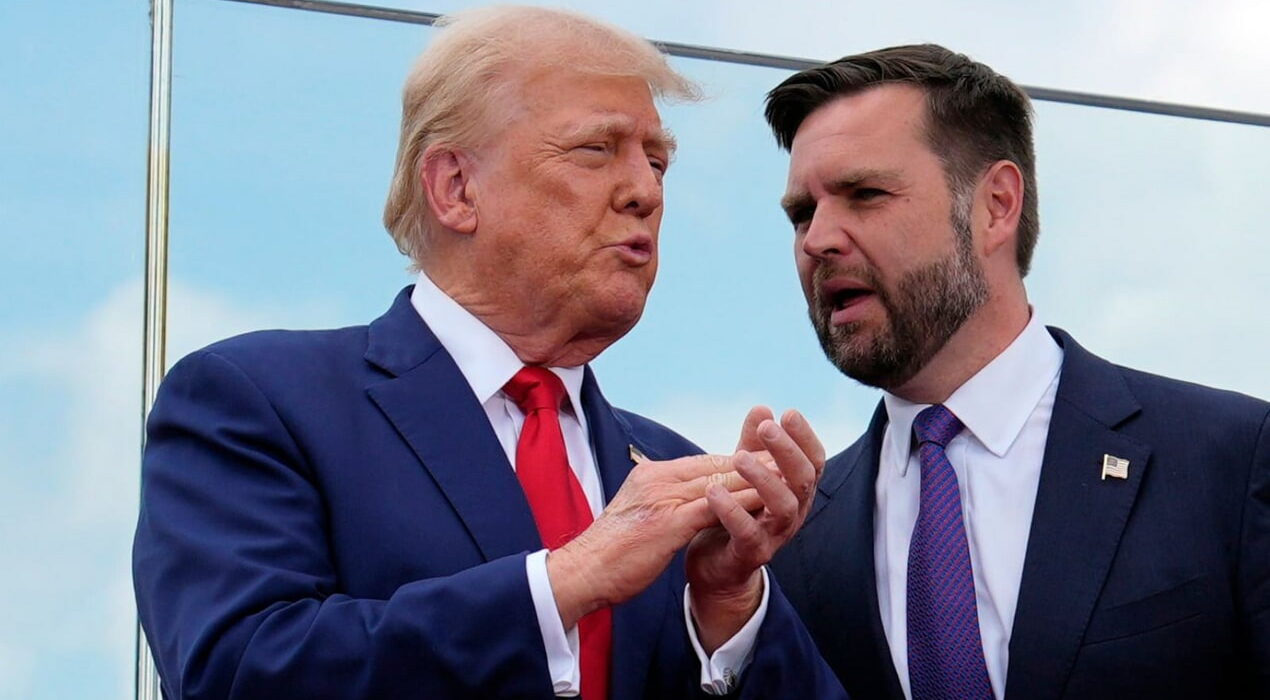
Trump Iran Threat Escalates as Vance Visits Pakistan for Talks
The Trump Iran threat intensified as Donald Trump increased pressure on Tehran. Meanwhile, JD Vance traveled to Pakistan for urgent peace talks. Trump accused Iran of using waterways for leverage. In particular, he pointed to the Strait of Hormuz, a key global oil route. As a result, energy prices have remained unstable. However, a fragile ceasefire across the Middle East still holds. Even so, tensions in Lebanon continue to complicate negotiations.
Iran Sets Conditions Before Negotiations
Iran’s delegation, led by Mohammad Bagher Ghalibaf, arrived in Islamabad. He stressed clear conditions before talks begin.
For example, Iran wants a ceasefire in Lebanon. In addition, officials demand the release of blocked assets. These demands could delay progress. At the same time, Iran’s leadership signaled a firm stance. Mojtaba Khamenei said the country will reshape control of the strait. Therefore, tensions around the waterway remain high.
Oil Prices and Global Markets React
The ongoing disruption in the Strait of Hormuz continues to impact global markets. This route once handled nearly 20% of global oil and gas trade. As a result, shipping traffic remains limited. Only a few vessels have passed through recently. Traders remain cautious due to uncertainty. Oil prices fluctuated throughout the day. However, they settled below $97 per barrel. In addition, stock markets showed mixed reactions ahead of talks.
Trump Signals Possible Military Action
Trump warned that military action could resume if talks fail. He stated that US warships are ready if needed. Moreover, he insisted the US would not allow Iran to charge tolls in the strait. This strong message highlights rising tensions. Despite this, Trump expressed cautious optimism. He suggested Iran’s leadership may be more flexible than expected.
Meanwhile, Benjamin Netanyahu agreed to reduce strikes in Lebanon. This step may support diplomatic efforts.