Mpox Newborn Deaths Reported in Sindh Neonatal Units
Health officials in Sindh have raised concern after reports linked Mpox newborn deaths to recent infections. Authorities urged people to seek care if symptoms appear. For example, rash, fever, or throat irritation need quick attention.
Samples from suspected cases are under testing at Aga Khan University Hospital and Dow University. Results usually come within two days. Therefore, doctors can respond quickly and manage cases better.
Outbreak Hits Neonatal Units
The outbreak has hit neonatal units in Khairpur the hardest. Officials sealed affected wards to control the spread. However, early findings show gaps in infection control measures.
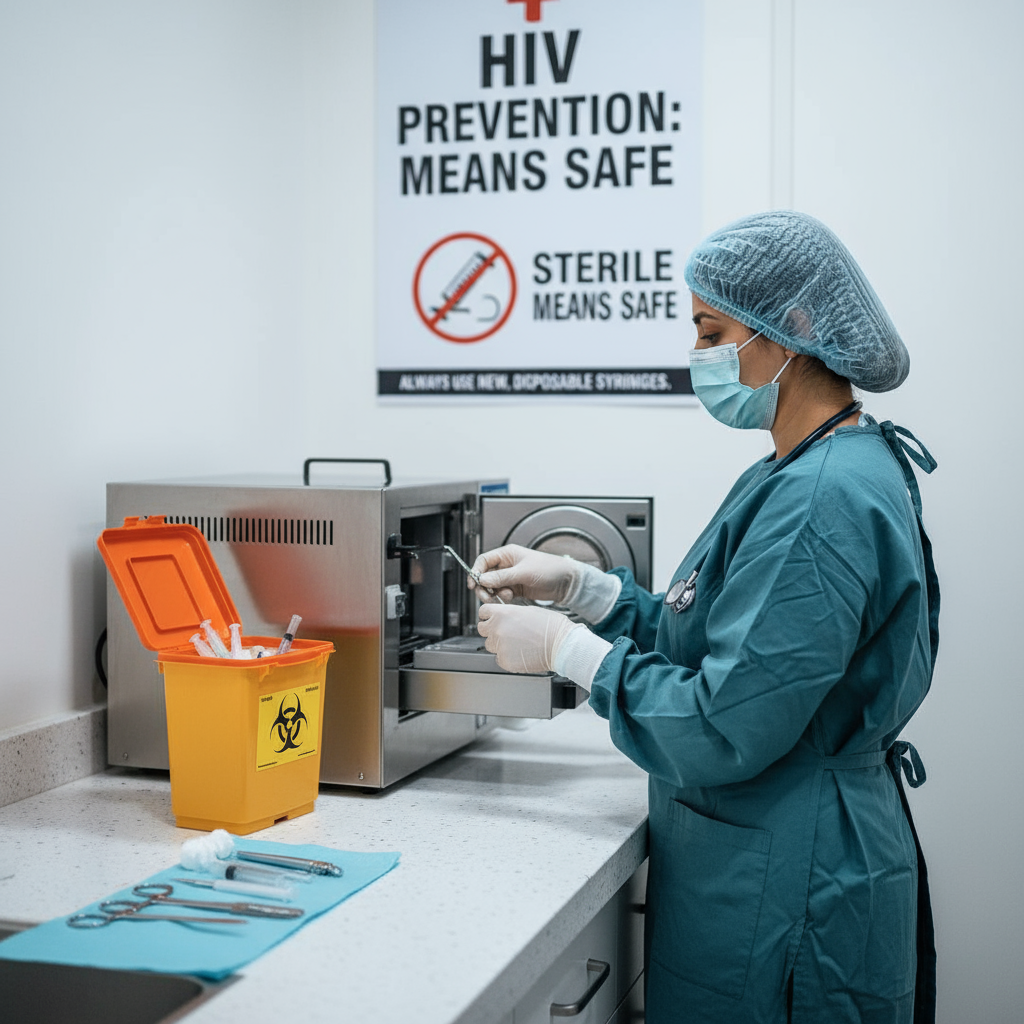
Health experts believe contaminated equipment may have played a role. In addition, poor hygiene practices likely increased the risk for newborns. As a result, hospitals are now reviewing safety protocols.
Medical teams are also increasing supervision in sensitive units. They aim to prevent further Mpox newborn deaths through strict monitoring. Meanwhile, staff training has become a top priority.
Testing and Response Measures
Authorities have strengthened testing and reporting systems across Sindh. For example, suspected cases are now isolated earlier. This step helps reduce transmission risks.
In addition, health workers are tracking close contacts of infected patients. They also guide families on early symptom recognition. Therefore, timely action can limit complications.
Hospitals continue to follow updated safety guidelines. However, officials stress that public awareness remains essential. Simple steps can make a major difference.
Global Support and Early Stage Alert
The World Health Organization has offered vaccines for high-risk groups. These include healthcare workers and close contacts. Moreover, targeted vaccination may slow the outbreak.
Officials say the situation is still at an early stage. However, caution is necessary to avoid escalation. As a result, authorities continue close monitoring of Mpox newborn deaths.
Experts advise communities to stay alert but calm. With proper care and awareness, risks can be reduced effectively.