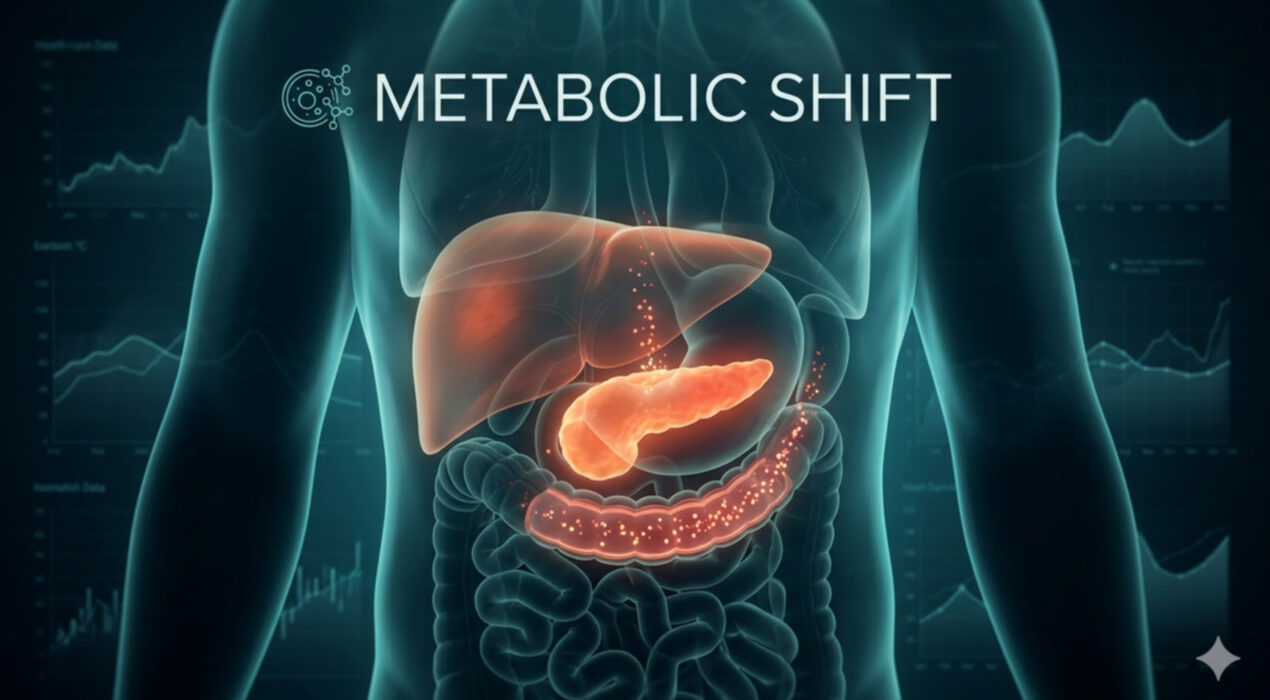
Early Metabolic Shifts: Hidden Signs Before Type 2 Diabetes
Most people think diabetes begins with high sugar levels. However, early metabolic shifts start long before that moment. These changes develop slowly and often go unnoticed.
At first, the body adapts quietly. It still manages sugar levels, but balance starts to weaken. As a result, many people feel something is off without clear answers.
When Insulin Stops Working Properly
In the early stage, blood sugar may appear normal. However, the body already struggles internally. Cells stop responding properly to insulin. This condition is called insulin resistance. The body still produces insulin, but cells ignore its signals. Therefore, sugar cannot enter cells efficiently.
To fix this, the pancreas works harder. It releases more insulin to maintain normal levels. As a result, the body enters a state of hidden stress.
How the Body Becomes Imbalanced
Over time, this pressure affects multiple organs. The liver starts releasing extra sugar into the blood. Meanwhile, muscles use glucose less efficiently.
Fat cells also store excess energy. In addition, they release chemicals that increase inflammation. Therefore, the problem grows beyond just blood sugar.
People may feel tired after eating. Some notice weight gain around the abdomen. However, these signs often seem normal and get ignored.
How Lifestyle Changes Can Help
The good news is that early metabolic shifts can be reversed. Small daily habits can improve insulin sensitivity. For example, regular exercise helps the body use sugar better.
In addition, balanced meals support stable energy levels. Whole foods and reduced sugar intake improve metabolic health. As a result, the body begins to recover.
Sleep and stress also play important roles. Therefore, proper rest and relaxation help restore balance. Early action can prevent serious health issues later.
In conclusion, early metabolic shifts act as warning signs. They offer a chance to act before diabetes develops.