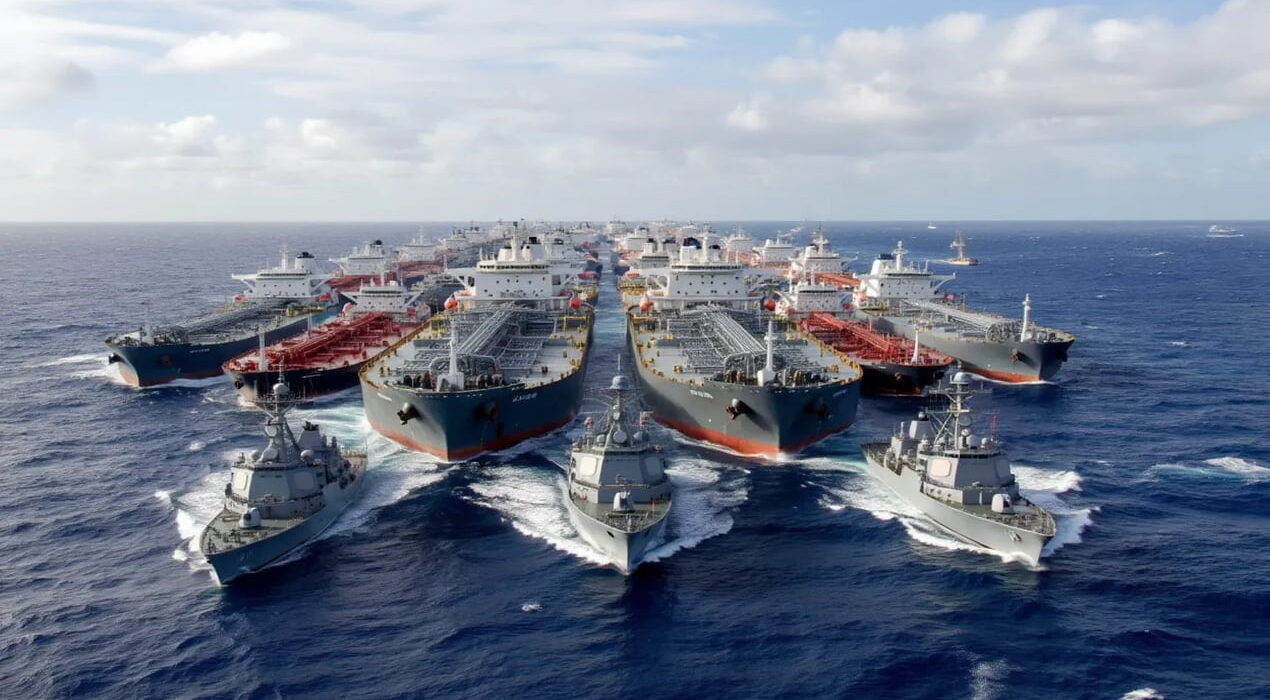
US Naval Blockade Impact How Iran Oil Flows Are Disrupted
The US naval blockade impact is already shaking global oil markets. The US military plans to stop ships linked to Iran. As a result, nearly two million barrels daily may not reach global buyers. This move could tighten supply quickly. Therefore, energy prices may face fresh pressure worldwide.
What the US Announced
Talks in Islamabad ended without a deal. After that, President Donald Trump ordered action in the Strait of Hormuz. He said US forces will block ships entering or leaving Iranian ports.
However, officials clarified one key point. Ships heading to other countries can still pass freely. This ensures global trade does not fully stop. In response, Iran issued a strong warning. Its forces said they would act firmly against any threat. Meanwhile, experts warned of possible attacks on ships or regional facilities.
Impact on Iran’s Oil Exports
The blockade directly affects Iran’s oil exports. Recently, the country shipped over 1.7 million barrels per day. This steady flow now faces disruption. However, Iran had increased production before tensions rose. As a result, over 180 million barrels remain stored on ships. This floating supply may ease short-term shocks. Still, long term supply could tighten. Therefore, global markets remain on edge.
Shipping Activity in the Strait
Shipping in the Strait of Hormuz remains limited. Even after a brief ceasefire, many tankers avoid the route. This caution reflects ongoing risks. For example, some ships entered the Gulf to load oil. Others turned back due to safety concerns. In addition, several loaded tankers managed to exit recently. Currently, hundreds of vessels still carry oil within the Gulf. This situation highlights uncertainty in global logistics.
Who Feels the Impact Most?
Asian countries depend heavily on this route. Before the conflict, China imported most Iranian oil. Now, supply disruptions could affect its energy planning. India also plays a key role. It recently resumed imports after years. Therefore, any disruption may impact its energy security. Overall, nearly 20% of global oil once passed through this strait. As a result, even small disruptions can affect global markets.