Cancer Treatment Funds Shortage in KP Hospitals
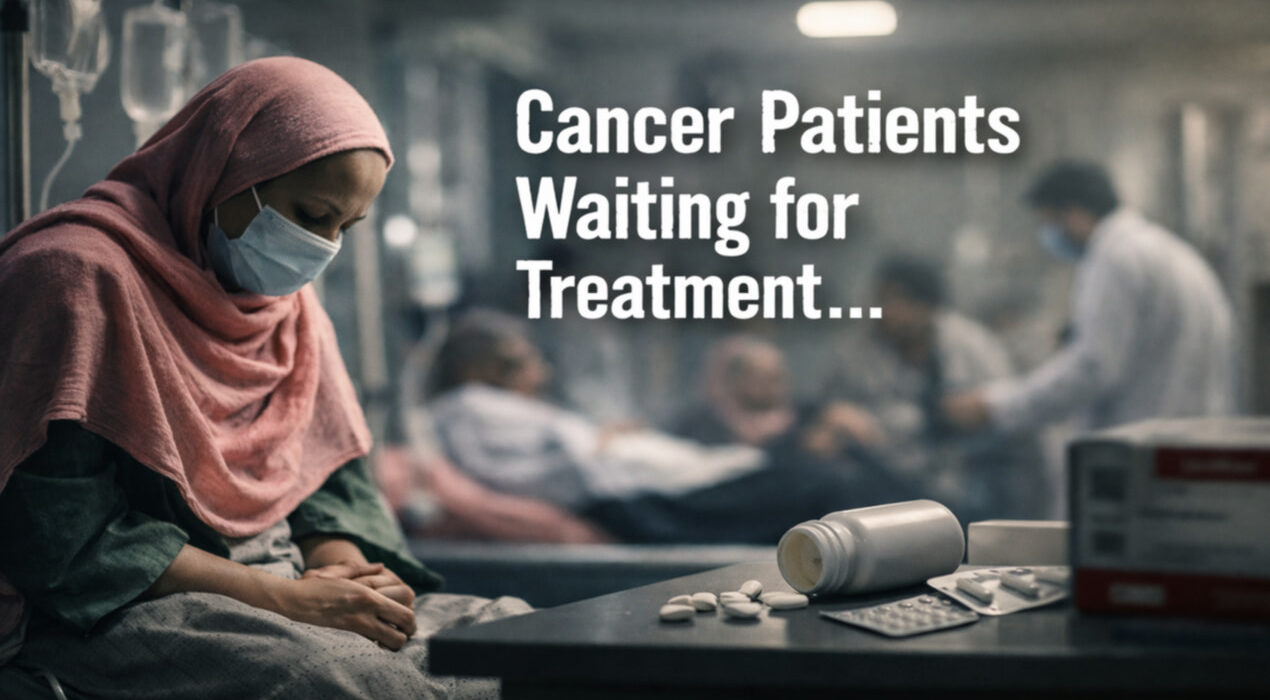
Lack of funds is disrupting free cancer treatment in major hospitals across Khyber Pakhtunkhwa. As a result, many poor patients are struggling to access life-saving medicines. Officials confirm that delays in funding have slowed down services in key institutions.
Funding Gap Delays Treatment
The government allocated Rs1,500 million for the 2025–26 programme. However, it has released only Rs820 million so far. Therefore, a shortfall of Rs680 million remains. This gap has directly affected hospitals providing free cancer care.
More than 1,000 registered patients are waiting for medicines. These patients are enrolled under a cashless treatment scheme. However, due to limited funds, hospitals cannot maintain drug supplies. Health Secretary Shahidullah Khan said efforts are underway to secure remaining funds. He is coordinating with the planning and development department for this purpose.
Hospitals Facing Medicine Shortage
Three major hospitals are affected by the shortage. These include Hayatabad Medical Complex, Khyber Teaching Hospital, and Ayub Teaching Hospital. In Ayub Teaching Hospital, 347 patients received free medicines until December 2025. Since then, supplies have nearly run out.
Similarly, Khyber Teaching Hospital has no stock available. Around 623 registered patients are still waiting for treatment. Hospital officials are trying to start free drug provision under the Sehat Card Plus programme. However, delays continue.
Doctors report that essential medicines are completely exhausted in some cases. Requests for new supplies have been sent, but no response has arrived yet.
Impact on Patients and Programme Success
The free treatment programme started in 2013 for blood cancer patients. Later, it expanded to cover all cancer types. Over 10,000 patients have benefited from it. Survival rates reached 85 percent for blood cancer and around 70 percent for other cancers.
However, treatment is expensive and long-term. Therefore, patients depend on regular medication. Without it, their condition may worsen. Doctors warn that stopping free treatment could lead to avoidable deaths.