Public Confusion on Ultra Processed Foods: Clear Guide for Everyday Choices
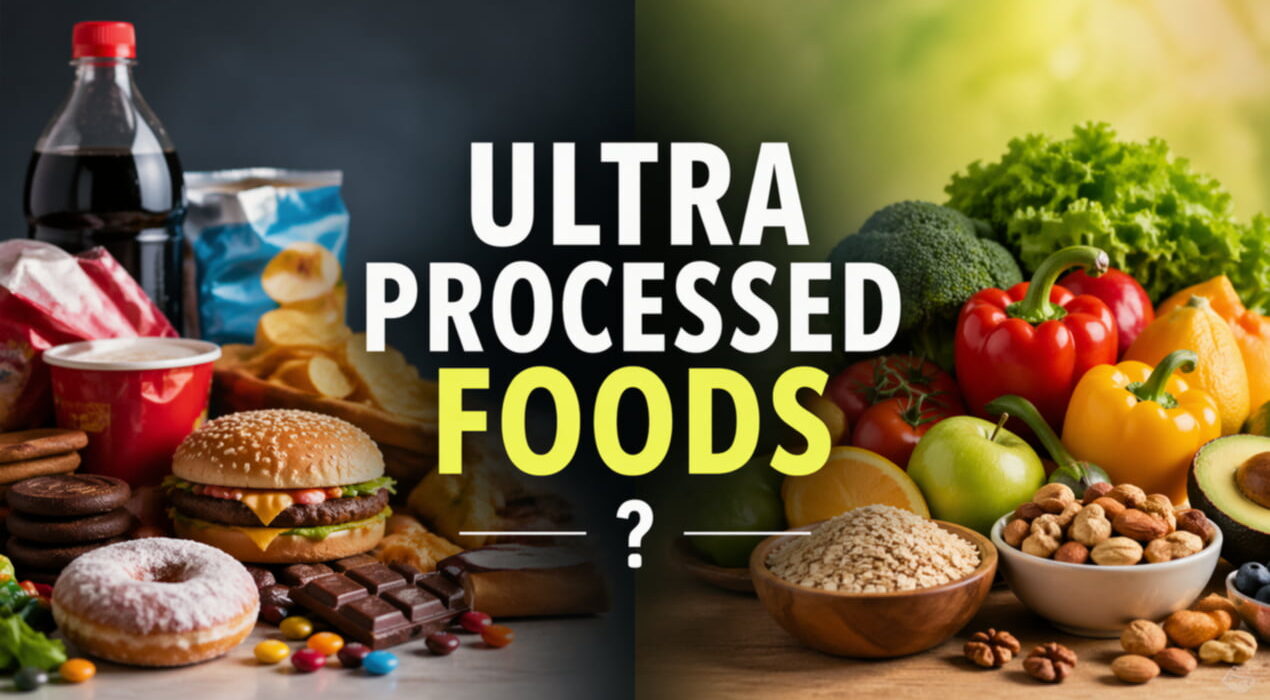
Adults who make food choices at home often face ultra processed foods confusion. They link these foods with poor health, yet definitions remain unclear. A UK study of 30 interviews explored how people understand processing and daily decisions. Many participants described uncertainty about which foods qualify as ultra-processed in real life. This uncertainty often affects weekly grocery planning and meal preparation. As a result, many people feel less confident about healthy eating.
Why Confusion Exists
People rarely see food processing as simple categories. Instead, they view it as a spectrum with blurred lines. Bread, yogurt, cereals, and ready meals often cause uncertainty. Many rely on ingredient lists or packaging clues to judge products. This makes everyday shopping decisions more difficult for many households. For example, some plant-based foods are also heavily processed. Therefore, confusion continues even among health-conscious consumers. Experts say labels do not always solve the problem.
What Influences Decisions
Information about food comes from many sources. Social media, friends, and traditional media all shape opinions. However, messages often conflict and create doubt. Cost, taste, and convenience also strongly influence daily choices. As a result, health concerns do not always change behavior. Online influencers often share strong opinions about processed foods. However, these messages are not always based on science. This creates uncertainty for people trying to choose wisely. Time pressure at home pushes people toward quick meals.
What People Want
Participants asked for clearer and simpler guidance. They suggested education in schools and better public messaging. Some supported policies like marketing limits and food taxes. Others wanted healthier options to become more affordable. Many participants asked for clearer food labeling systems. They believed this could reduce everyday confusion significantly. Others highlighted the need for affordable fresh food access. Better policies could support families making healthier choices. Overall, people believe both education and system changes are needed.