Kazakhstan Expands National Parks as European Tourism Surges
Kazakhstan is expanding its national parks. The country will add 20,000 square kilometres of protected land by 2035. Therefore, the total park area will almost match the size of Finland.
The nation already has 14 national parks. They welcomed 2.8 million visitors in 2024. That represents 18% annual growth.
A Major Environmental Initiative
The plan is called “The Concept for the Conservation and Sustainable Use of Biological Diversity for 2026-2035.” It ensures the planting and preservation of 8,000 square kilometres of forests. Dune-scapes in the Aral Karakum desert will also be protected.
The Tian Shan peaks are home to the snow leopard. These mountains will receive conservation attention. Consequently, biodiversity gets a major boost.
Economic Benefits for Tourism
The plan will bring economic benefits too. It furnishes an already booming travel sector with new credentials. Therefore, Kazakhstan can promote outdoor pursuits like hiking and wildlife spotting.
The strategy targets high-spending tourists. Interests include biodiversity, culture, and gastronomy. As a result, the country aims for 10 million visitors by 2029.
Removing Travel Barriers
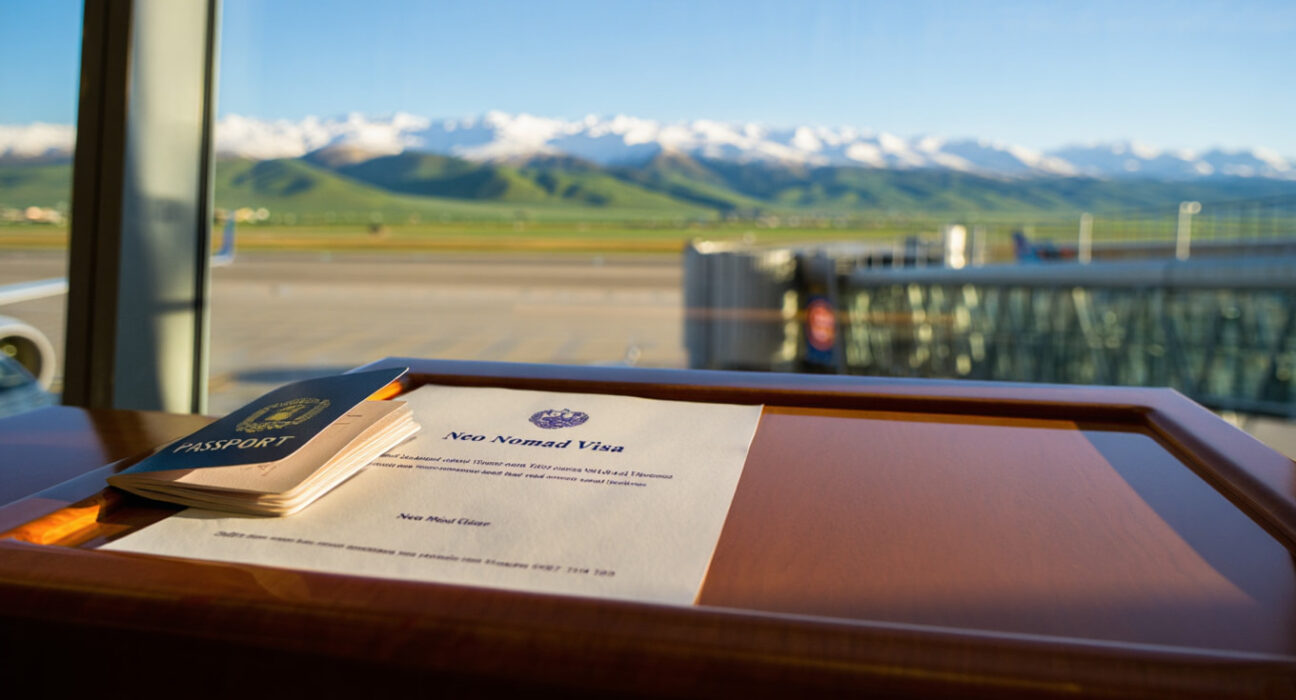
Kazakhstan has worked hard to smooth out travel. Citizens of all EU member states get visa-free stays for up to 30 days. The “neo nomad visa” allows people from 48 countries to work in Kazakhstan for one year.
Air connectivity is also growing. New airports are being built near resort areas like Zaisan, Katon-Karagai, and Kendirly. Direct flights will connect them to Almaty, Astana, and other major cities. Construction has already started.
A Safe Haven Amid Regional Uncertainty
Kazakhstan sits at the crossroads of Europe and Asia. It is uniquely positioned to tap into Chinese, Turkish, and European markets. Ongoing uncertainty in the Arabian Gulf is costing the travel sector about $600 million per day.
Therefore, consumers are shifting travel plans. They seek stable destinations. Kazakhstan appears to be drawing some of that spending, especially from European travellers.
Flights from Brussels to Kazakhstan have risen sharply. This is closely linked to the geopolitical crisis in the Middle East. However, Kazakhstan hopes to sustain this growth through its natural treasures.
In conclusion, Kazakhstan protects its landscapes while boosting tourism. New parks, easier visas, and better airports lead the way. European visitors are taking notice.