Infant Air Pollution Risk: Early Exposure Linked to Infections
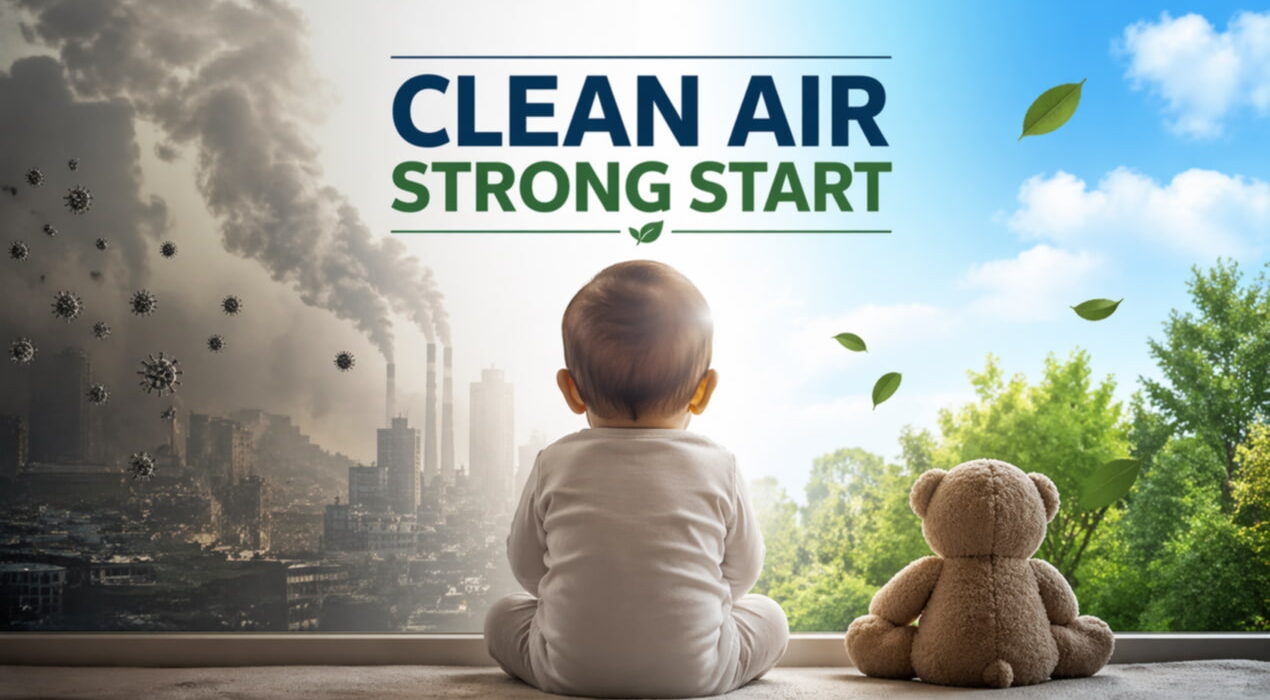
Infant air pollution risk is gaining global attention. New research links early exposure to higher infection rates. The findings highlight concerns about infant health and development.
Study Findings and Context
Researchers presented the study at the Pediatric Academic Societies (PAS) 2026 Meeting. The data comes from the IDEaL Rome Cohort. This cohort tracks how early environments affect immune health.
The research is based at Ospedale Pediatrico Bambino Gesù. It also involves support from the National Institute of Allergy and Infectious Diseases. In addition, Boston Children’s Hospital contributes to the project.
Key Results
Scientists followed infants during their first year. They tracked infections and linked them to pollution exposure. As a result, higher pollution levels showed more respiratory infections.
Common pollutants included PM₁₀, nitrogen oxides, and nitrogen dioxide. These pollutants showed strong links with repeated infections. In addition, wheezing episodes also increased with exposure.
Researchers also observed infections like bronchiolitis and bronchitis. However, these showed weaker but still meaningful links. Therefore, pollution appears to affect multiple aspects of infant health.
Why It Matters
Early life is critical for immune development. Poor air quality may disrupt this process. As a result, infants may face long-term health risks.
Lead researcher Donato Amodio stressed the importance of clean air. He explained that early exposure shapes immune resilience. Therefore, improving air quality could reduce infection risk.
Parents can reduce indoor pollution and improve ventilation. Communities can also push for cleaner environments. In conclusion, addressing infant air pollution risk can protect future generations.