Umluj Leads Sustainable Coastal Tourism in the Red Sea
Umluj is redefining its status on the global tourism map. The governorate leverages its natural wealth and maritime heritage. Therefore, it becomes a sustainable and inclusive destination.
Historically, people called Umluj the “white city” for its pristine sands. Now, national transformation projects shape its modern identity. The Saudi Red Sea Authority enhances the region’s appeal for tourism and investment.
An Archipelago of Untouched Islands
Umluj features more than 100 untouched islands. Flourishing coral reefs support green and hawksbill turtles. Dolphins, dugongs, and migratory birds also thrive here.
This environmental richness is deeply intertwined with maritime trade history. The port of Umluj once served as a vital link. It connected the Arabian Peninsula and Africa.
Heritage and Architecture Inland
The historic town features a restored traditional souk. A museum houses thousands of artifacts. Therefore, visitors can explore deep cultural roots.
Umluj castle is a key landmark. It was constructed from volcanic rock. This highlights the area’s unique architectural significance.
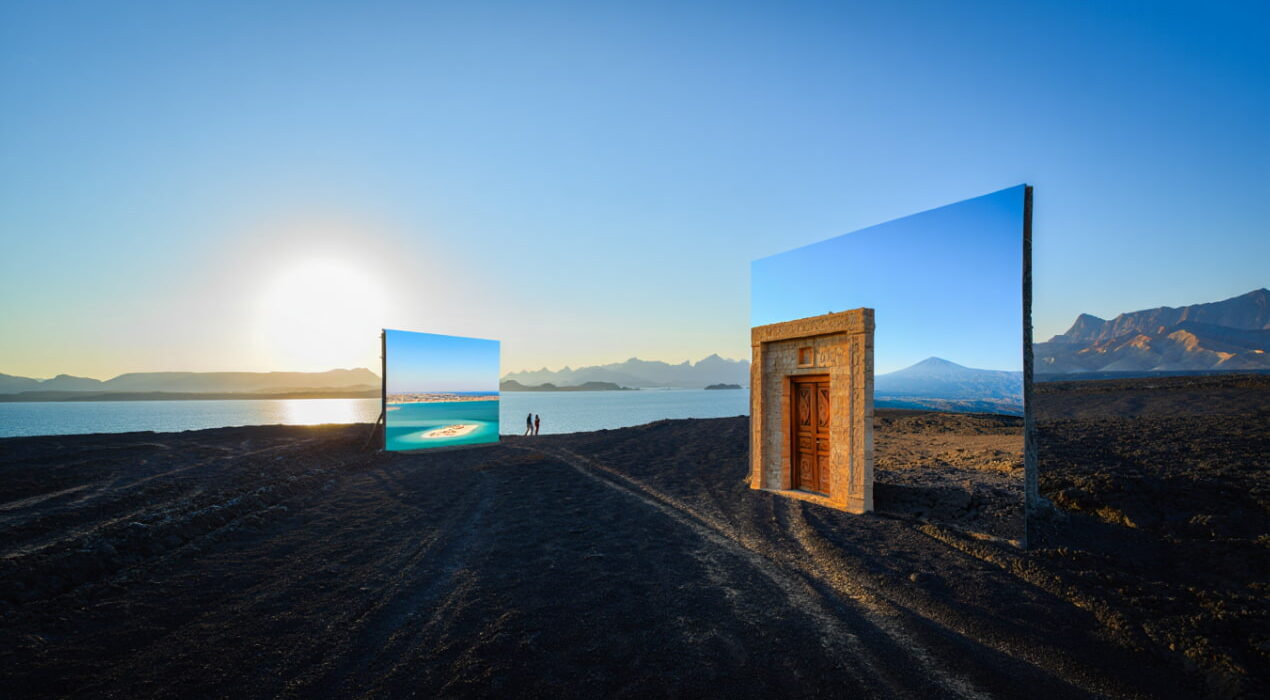
The eastern landscape is dominated by Harrat Lunayyir. This is a vast volcanic field of black lava. Consequently, nature lovers have even more to explore.
A Model for Coastal Tourism
Umluj now serves as a sustainable model for coastal tourism. The Red Sea region is gaining global attention. Investment and conservation go hand in hand.
In conclusion, Umluj offers untouched nature and rich history. Travelers can enjoy pristine islands and volcanic landscapes. The future of Saudi coastal tourism starts here.