Phú Thọ Transforms Ancestral Heritage into Immersive Travel
Phú Thọ is reshaping cultural travel in Vietnam. The province transforms ancient ancestral heritage into living experiences. Therefore, visitors can now immerse themselves in traditions.
Sustainable tourism is no longer just a policy. It has become the lens for reshaping how people experience culture. Consequently, heritage feels active, not frozen.
A New Way of Looking at Heritage
Officials now treat heritage as an engine for tourism. Spiritual sites, ethnic traditions, and archaeology connect into one experience. This reflects national goals for sustainable growth.
Heritage is being used to build meaningful visitor experiences. It links multiple sites into unified travel routes. Traditions stay alive by embedding them in daily community life.
The Hùng Kings Festival Comes Alive
The Hùng Kings Temple Festival has evolved beyond a spiritual pilgrimage. It is now a cultural journey that invites participation. Visitors find traditional games, craft activities, and performances.
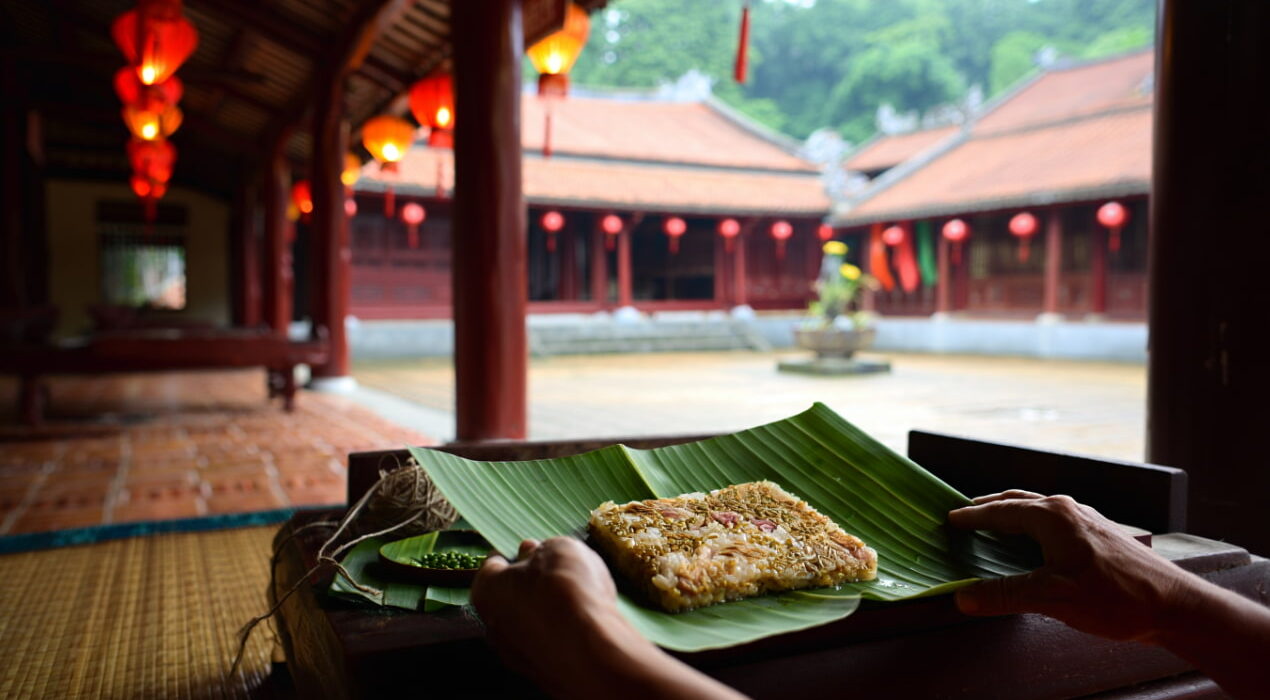
Night tours bring the temple complex to life after sunset. Folk competitions include making bánh chưng and bánh giầy. Art performances draw inspiration from ancient Vietnamese culture.
Consequently, visitor stays extend and the festival feels more immersive.
Xoan Singing Returns to Its Original Spaces
Xoan singing is no longer confined to formal performances. It now takes place in villages and communal houses. Therefore, visitors see how tradition ties to everyday life.
Travelers can visit xoan villages and learn directly from local singers. They can watch live performances in historic community spaces. Trying simple traditional verses themselves is also possible.
This approach keeps the tradition alive. It gives xoan singing new relevance for modern audiences.
Expanding Tourism Through Cultural Integration
Phú Thọ is building a wider tourism network. Heritage routes link temples, villages, and cultural sites. Culinary experiences focus on traditional local food.
Community tourism programs operate in ethnic minority areas. Evening cultural activities add depth to travel itineraries. Seasonal festivals integrate into year-round tourism planning.
Consequently, tourism growth spreads across regions. It does not concentrate in one location.
UNESCO Heritage Adds Global Recognition
UNESCO cultural heritage elements in Phú Thọ add global recognition. These are not treated as standalone achievements. They are living parts of the cultural landscape.
Therefore, the province gains both historical depth and international relevance. Heritage is not only preserved but actively practiced and shared.
A More Connected Tourism Future
The long-term vision is to build a tourism model true to cultural identity. Priorities include strengthening year-round products to reduce seasonality. Improving visitor experiences through better service quality is also key.
Expanding digital promotion and storytelling tools will help. Larger-scale cultural performances at heritage sites are planned. Stronger partnerships with tourism operators and local communities will follow.
At every stage, the focus remains on balance. Growth and preservation work together. Visitors and residents both benefit.
In conclusion, Phú Thọ turns its past into something people can live. From the Hùng Kings Festival to xoan singing, heritage feels alive. This is tourism that doesn’t just preserve history—it lets you walk through it.