New Battery Charged Using Dirt Shows Eco-Friendly Potential
A new type of battery can be charged using dirt. Researchers developed this innovation to create sustainable energy for small devices. As a result, it could transform agriculture and environmental monitoring.
How the Dirt Battery Works
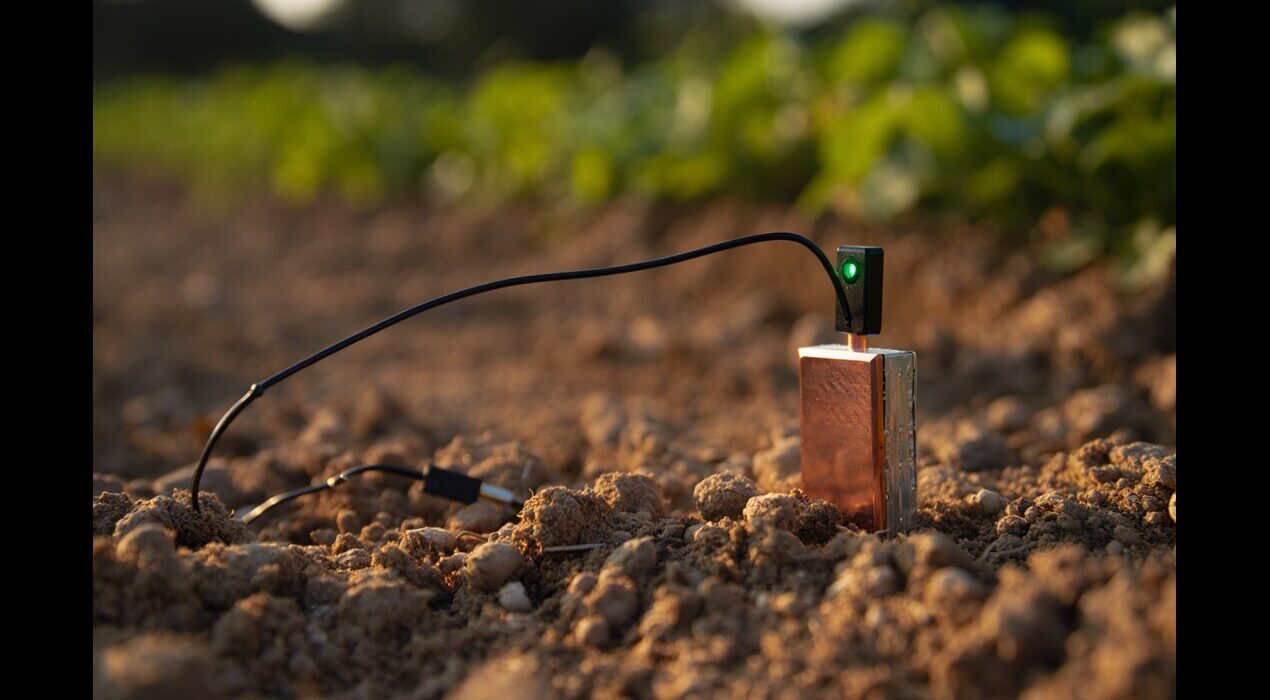
The battery uses soil microbes to generate electricity. These microbes release electrons while breaking down organic matter. Therefore, the system captures energy without relying on traditional power sources. In addition, the design includes an anode placed underground and a cathode above. This setup allows oxygen flow while keeping moisture intact. For example, a 3D-printed cap protects the unit from dirt while enabling airflow. Tests showed impressive results. The battery produced far more power than sensors required. As a result, it worked even during floods or dry spells.
Benefits and Applications
Farmers can use the battery to power underground sensors. These sensors track soil moisture, nutrients, and contaminants. In addition, wildlife monitoring becomes easier with reliable energy in remote areas. Compared to traditional batteries, dirt-powered cells are eco-friendly. They reduce toxic waste and minimize maintenance. Therefore, they offer a greener alternative for small-scale devices. However, the technology has limits. It cannot power large electronics. Performance also depends on soil conditions. In addition, widespread adoption may take time. Still, the outlook is promising. Researchers plan to use biodegradable materials in future versions. As a result, the battery could support the Internet of Things with sustainable energy.