Pakistan Textile Survival Crisis Why Quality Beats Cost
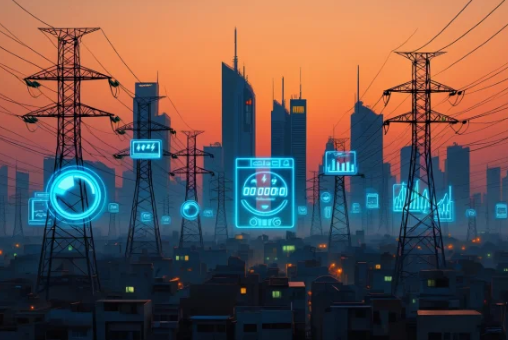
The textile survival crisis is reshaping Pakistan’s industry today. Many mills face closure due to rising costs. However, the issue goes beyond external pressure. Internal challenges also play a major role. High energy costs hurt production badly. Electricity costs far more than in competing countries. In addition, gas prices and heavy taxes increase the burden. As a result, manufacturers struggle to stay competitive.
Rising Costs and Outdated Systems
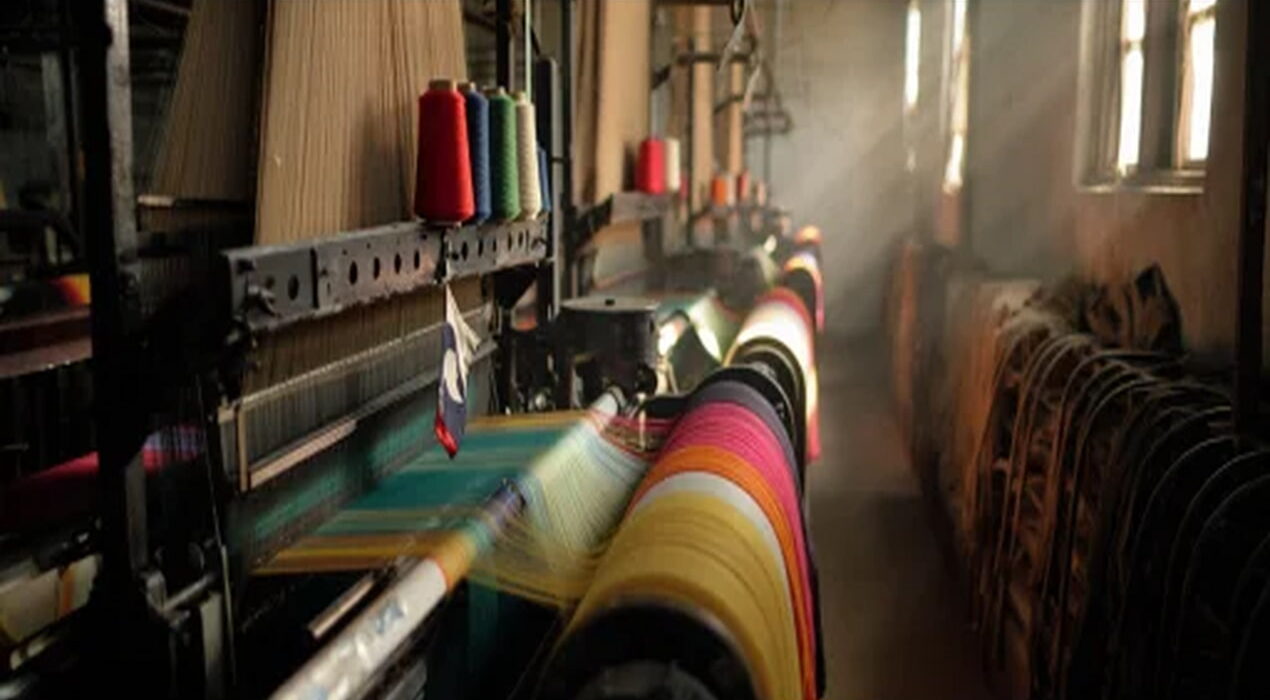
Production costs continue to climb across the sector. Old machinery uses more energy and lowers efficiency. Most equipment is decades old and needs urgent upgrades. Moreover, delays in tax refunds create cash flow problems. High interest rates make borrowing difficult. Therefore, businesses find it hard to invest in improvements. Cotton production also remains weak. Meanwhile, countries like Bangladesh and Vietnam enjoy better trade deals. This gap further reduces Pakistan’s global market share.
Internal Weaknesses Hold Growth Back
Internal issues create deeper problems than external ones. Many factories offer low wages and limited training. As a result, worker productivity stays low. In addition, companies invest very little in research and development. Quality often suffers due to cost-cutting decisions. Poor customer support also damages long term relationships. Some businesses lack transparency in tax practices. This behavior weakens trust and limits growth. Therefore, the industry struggles to build a strong global reputation.
A Shift Towards Value and Quality
The global market rewards quality over low prices. Successful brands focus on innovation and value. Pakistan must follow this path to survive. Countries like Bangladesh and Vietnam prove this approach works. They invest in compliance and value added products. As a result, they gain more market share despite higher costs. Pakistan can still compete with the right strategy. Improving quality, upgrading technology, and investing in people are key steps. In conclusion, the future depends on value creation, not cost cutting.