Pakistan Gas Levy Cut IMF Eases Captive Charges for Industry
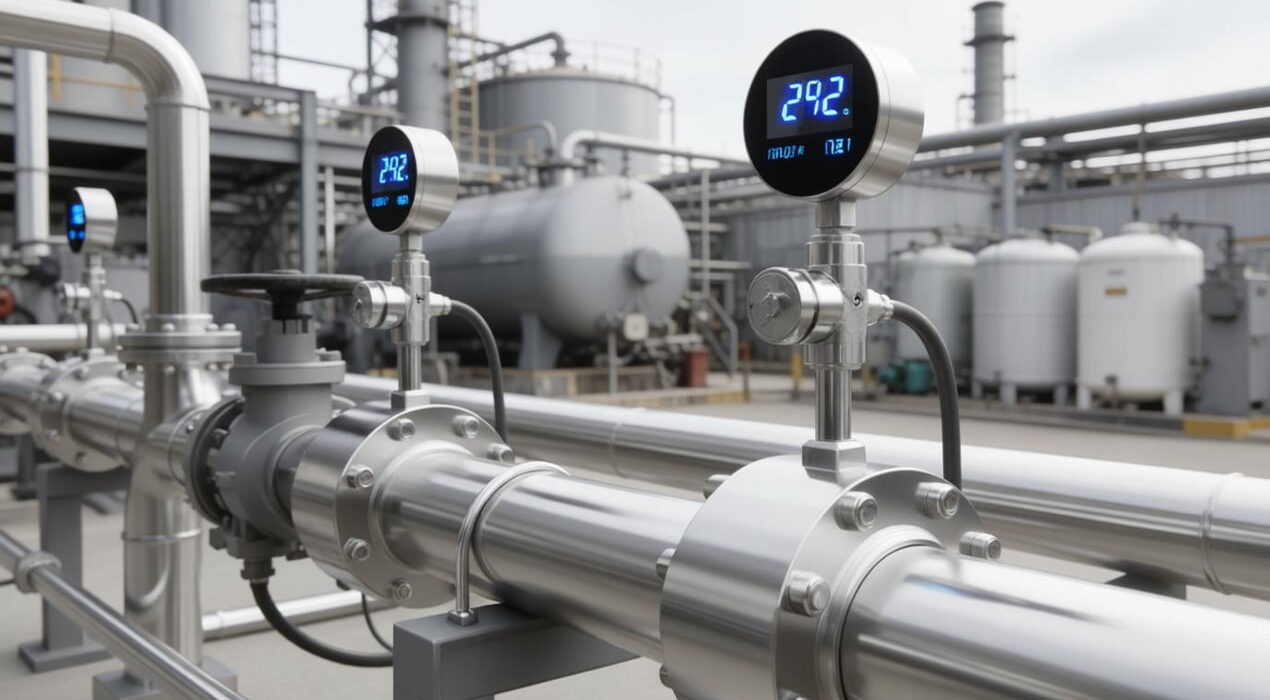
Pakistan gas levy cut is making headlines after fresh approval from the IMF. The move could lower energy costs for industries. As a result, many businesses may finally see relief. The new plan changes how authorities calculate the captive gas levy. Instead of one tariff, it uses a weighted average. Therefore, industrial users could pay much less.
New Formula May Reduce Costs
Officials expect a sharp drop in levy rates. Under the current system, the levy stands at Rs. 1,303 per mmBtu. However, the revised method could reduce it to around Rs. 522.
This change may bring up to a 60% cut. In addition, trends suggest reductions could range between 30% and 60%. So, industries can plan better energy costs. The proposal came during talks led by Petroleum Minister Ali Pervaiz Malik. Earlier, the IMF showed caution. Now, it has agreed to the conditions.
IMF Keeps Pressure on Energy Shift
Despite the Pakistan gas levy cut, the IMF maintains a strict stance. It still wants industries to shift to grid electricity. Therefore, it rejected requests to freeze extra charges.
Instead, the IMF supports raising the levy to 20%. This step aims to push industries away from gas based power. As a result, companies may rely more on national electricity. Moreover, the policy links with grid demand. If demand drops, the levy could rise sooner. In extreme cases, it may exceed 20%.
Challenges for Businesses and Energy Sector
The policy has mixed effects. On one hand, it supports energy reforms. On the other hand, industries face higher electricity costs.
Many businesses now explore solar energy. For example, rooftop systems are gaining popularity. However, officials worry about this shift. Gas companies also feel pressure. Reports show losses of Rs. 104 billion in six months. In addition, levy collections remain below expectations.
What Lies Ahead
The Pakistan gas levy cut may reshape industrial energy use. However, challenges remain for both businesses and policymakers. Therefore, careful planning is essential. The IMF wants to ensure industries stay on the grid. As a result, future policies may become stricter. For now, industries must adapt quickly.