Japan Airlines Deploys Humanoid Robots for Luggage Assistance
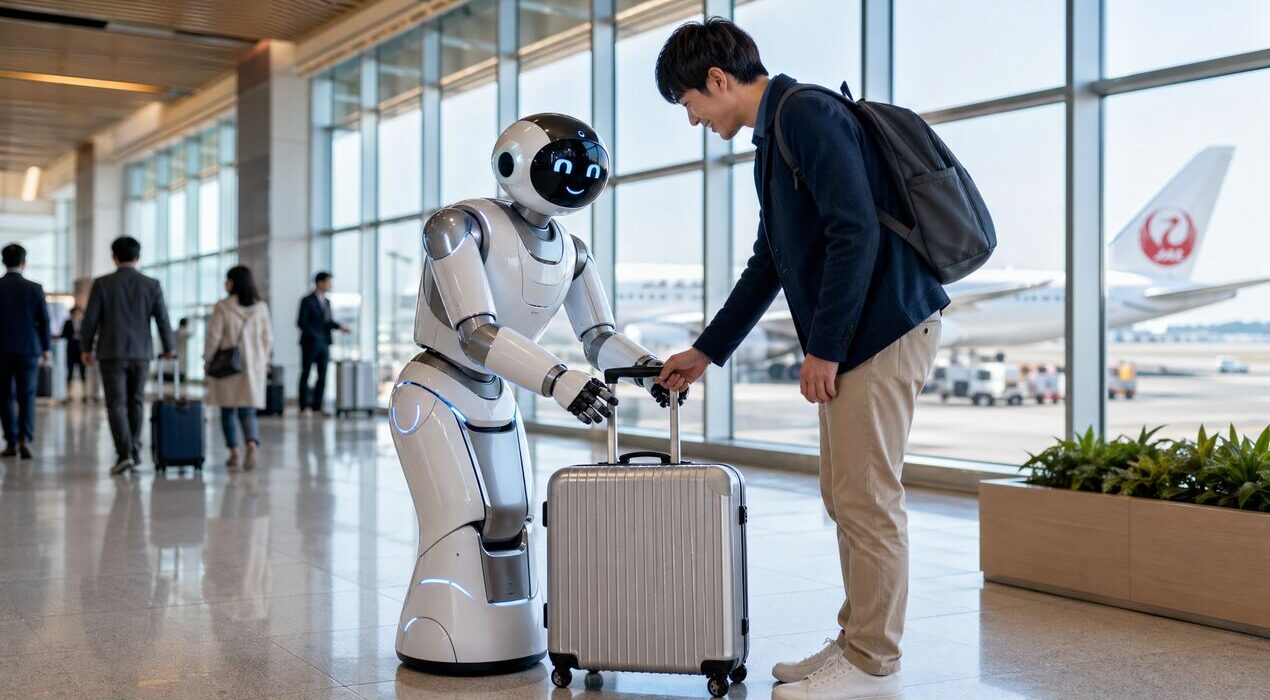
Japan Airlines has introduced humanoid robots to help passengers with luggage. The airline aims to improve efficiency and reduce strain on staff. As a result, travelers may enjoy smoother airport experiences.
How the Robots Work
The robots are designed to lift, carry, and transport bags. They use advanced sensors to detect weight and movement. In addition, AI systems guide them through crowded terminals. For example, passengers can place luggage on the robot, which then delivers it to check‑in counters. Therefore, travelers avoid heavy lifting and long queues. The robots also interact with passengers. Simple voice commands allow users to request assistance. As a result, the service feels more personal and accessible.
Benefits for Passengers and Staff
Heavy luggage often causes delays and stress. However, humanoid robots reduce the workload for airport staff. In addition, they improve safety by lowering the risk of injuries. Passengers benefit from faster service. For example, families and elderly travelers can move through airports with less effort. Therefore, the technology supports inclusivity and convenience. Japan Airlines believes robots will enhance customer satisfaction. In addition, the airline hopes to set a new standard for smart airport services.
Looking Ahead
The deployment is part of a wider push toward automation in aviation. Other airlines are testing AI systems for boarding and security. As a result, airports worldwide may soon rely more on robotics. Overall, Japan Airlines’ humanoid robots highlight the future of travel. Therefore, passengers can expect more innovation designed to make journeys easier.