Apna Ghar Plan Pakistan Own a Home from Rs.16,500 Monthly !
The Apna Ghar Plan brings a new chance to own a home in Pakistan. Now, families can pay as low as Rs.16,500 monthly. As a result, more people can step into homeownership. The government launched this program to support first time buyers. It focuses on affordability and easy access. Therefore, many households may benefit soon.
Flexible Loan Options for Buyers
The scheme offers loans up to Rs.10 million. Borrowers can choose from four financing slabs based on their needs. For example, options include Rs.2.5 million to Rs.10 million. Repayment runs for up to 20 years. The markup stays fixed at 5% for the first 10 years. However, the rate may change based on market trends afterward. Monthly payments remain manageable for different budgets. Smaller loans have lower installments, while larger ones cost more.
Who Can Apply for the Program
The Apna Ghar Plan targets first time homebuyers only. Applicants must hold a valid CNIC. In addition, they should not own any property. People must also show stable finances. This helps ensure they can repay the loan. Therefore, the program stays sustainable.
Buyers can use the loan for different housing choices. For instance, they can purchase a 10-marla plot or a ready built house. They may also buy apartments up to 1,500 square feet.
The scheme covers up to 90% of the property value. Applicants will arrange the remaining 10%. As a result, upfront costs stay low.
Loans will be available through various banks. These include Islamic, commercial, and microfinance banks. In addition, the House Building Finance Company will also participate.
Easy Application and Fast Approval
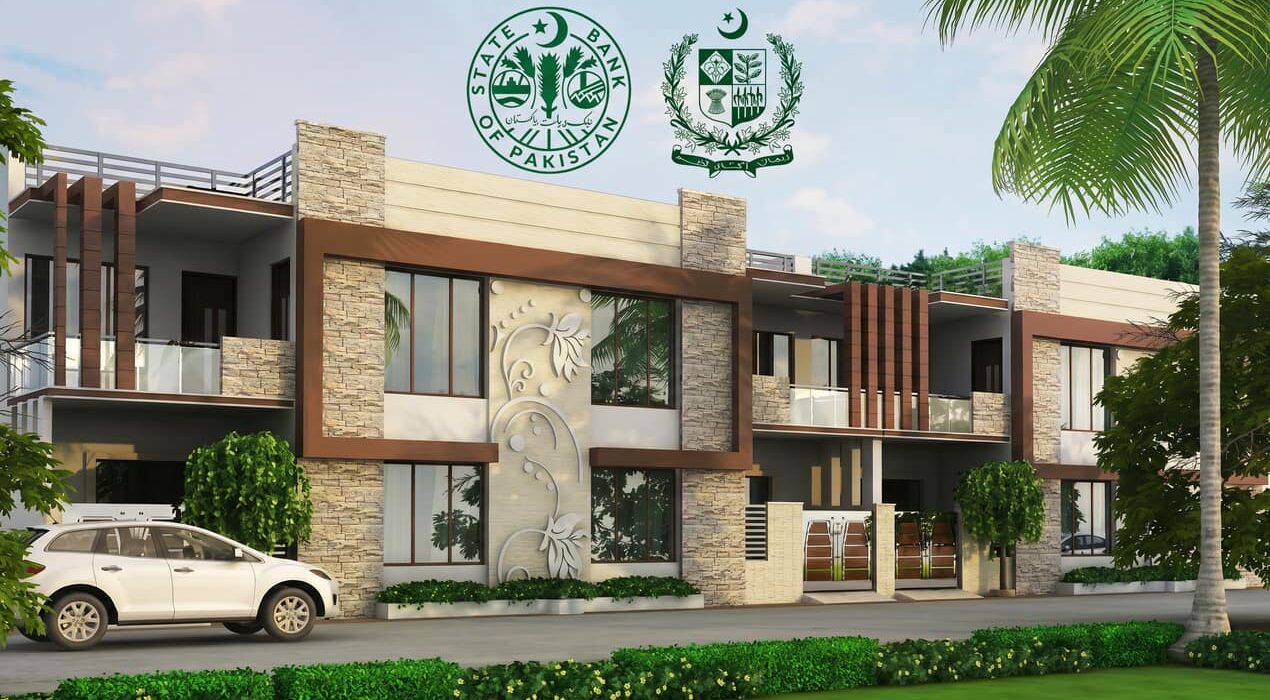
Applicants can apply online through the official portal. They may also visit selected bank branches. The process is simple and user friendly. No processing fee is required before approval. This reduces financial pressure on applicants. Moreover, approvals may come within one month. The State Bank of Pakistan and the Pakistan Housing Authority will monitor the program. Therefore, transparency and fairness remain priorities.