Inflation Surge Pakistan 2026 Hits 10.9% as Food and Energy Costs Rise
Pakistan saw a sharp rise in prices last month. The inflation surge in Pakistan 2026 reached 10.9%. As a result, households felt strong pressure on daily expenses.
Food and energy costs drove this increase. Therefore, many families struggled to manage their budgets. Prices rose faster than expected across both urban and rural areas.
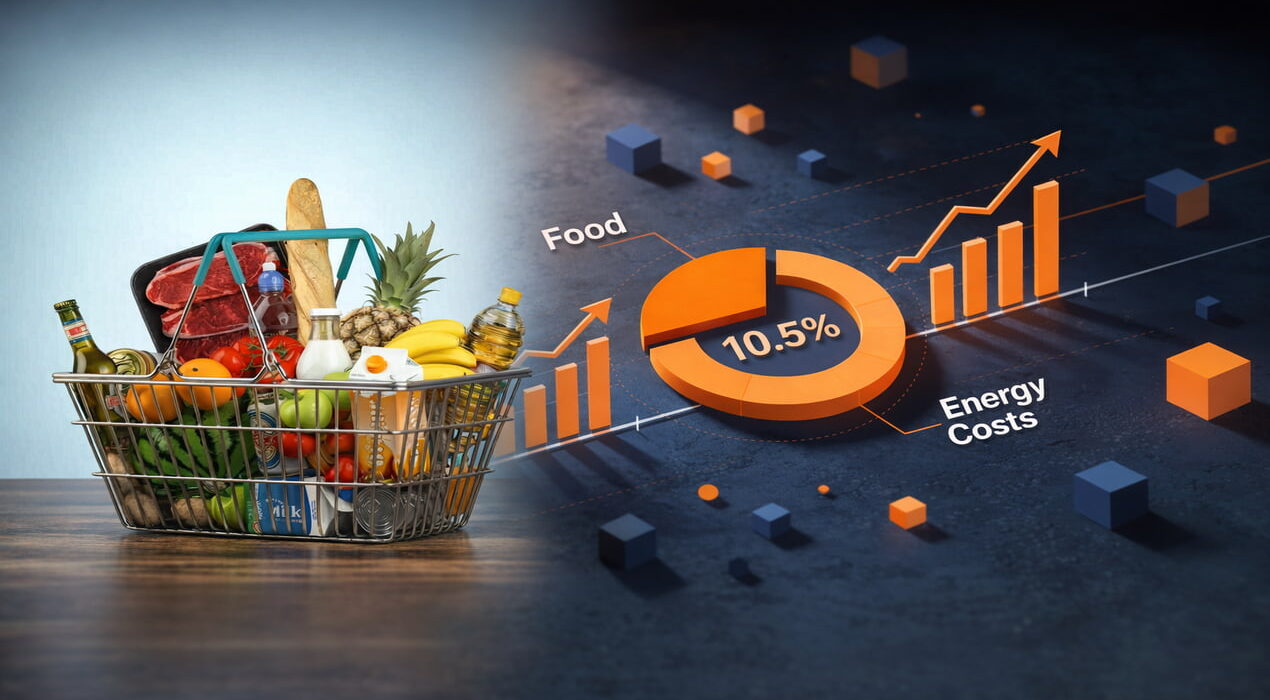
Food and Energy Costs Climb
Food inflation increased noticeably last month. In urban areas, it reached 6.9%. Meanwhile, rural areas saw a higher jump to 7.3%.
Energy prices also surged sharply. Urban energy inflation hit 13.8%, the highest since October 2024. Similarly, rural areas recorded 13.6%, the highest since July 2024. In addition, transport costs pushed prices even higher. For example, fares increased by 38%, which affected food delivery costs. As a result, basic items became more expensive.
Essential Items See Major Price Hikes
Several key food items saw steep increases. Tomatoes became 75% more expensive. Onions rose by 42%, while wheat prices jumped nearly 40%. Wheat flour inflation crossed 30% last month. Therefore, staple food costs rose sharply for many households. Housing and utility costs also increased by 17% compared to last year. Moreover, overall transport inflation reached 30%. This rise came despite partial government subsidies.
Government Response and Outlook
The government had set a 7.5% inflation target. However, rising petroleum prices may push inflation beyond this limit. During the first eight months, inflation averaged 6.2%, which stayed below target. To reduce the burden on low income families, support programs may expand. For instance, cash assistance under the Benazir Income Support Programme will increase. The number of beneficiaries may rise to 10.2 million by June.
In conclusion, rising costs continue to challenge households. However, policy measures aim to provide some relief in the coming months.