Bioengineered Chewing Gum Fights Oral Cancer Microbes
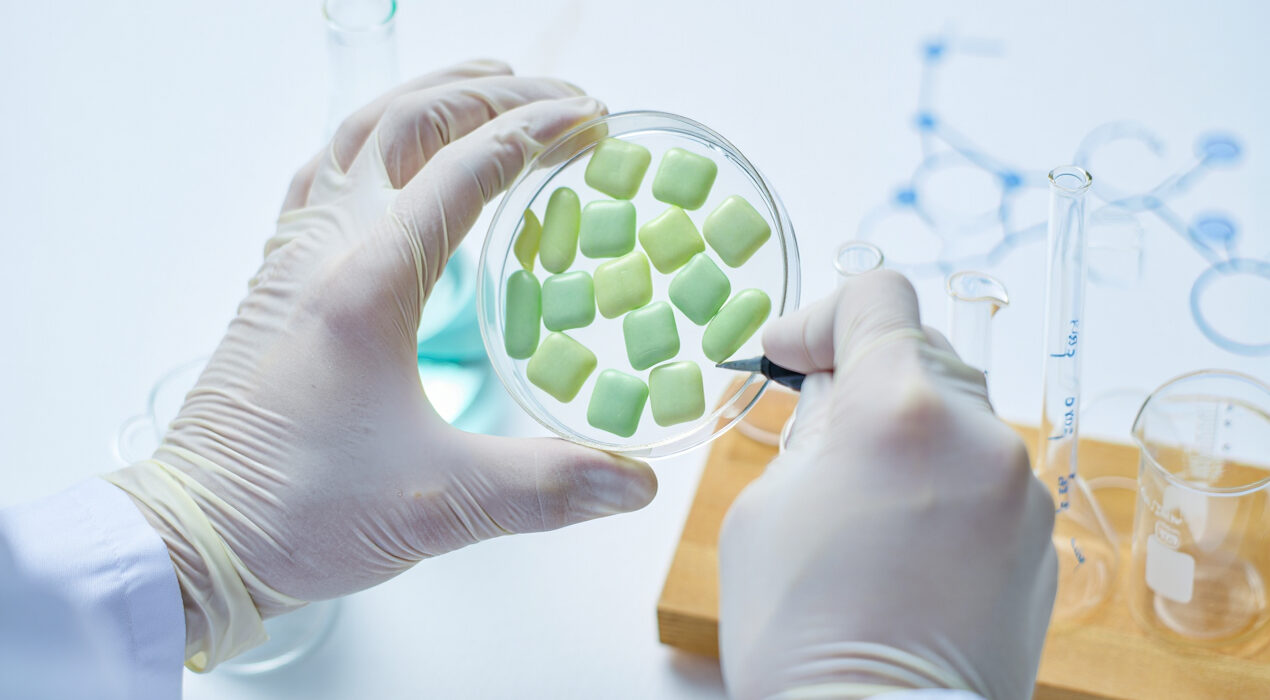
Head and neck cancers are aggressive and often deadly. Many new drugs have done little to improve survival. Researchers at the University of Pennsylvania developed a different approach. They created a bioengineered chewing gum. The gum targets three microbes linked to oral cancer.
The team used bean gum containing FRIL, a natural antiviral protein. They also added an antimicrobial peptide called protegrin. Lab tests on patient samples showed dramatic results. The gum reduced HPV levels by 93% in saliva. In oral rinse samples, the reduction reached 80%. A single dose brought two harmful bacteria close to zero.
Preserving Good Bacteria
The harmful bacteria are Porphyromonas gingivalis and Fusobacterium nucleatum. Both worsen survival rates in oral cancer patients.Nevertheless, the gum left beneficial oral bacteria unharmed. This is a key advantage over radiation therapy. Radiation reduces good bacteria and increases disease‑causing yeast.
A Low Cost Prevention Tool
“Lip and oral cavity cancer ranked seventh worldwide in 2022,” says lead researcher Henry Daniell. The global increase in oral cancer links to HPV infection. Therefore, a simple chewing gum could serve as an affordable preventive measure. It could also act as a supplement to existing treatments. The team plans to advance the gum to clinical trials.
A Promising Future
This gum could help prevent infection and transmission. It offers hope for patients with limited access to expensive drugs. A small, chewable strip might make a big difference.