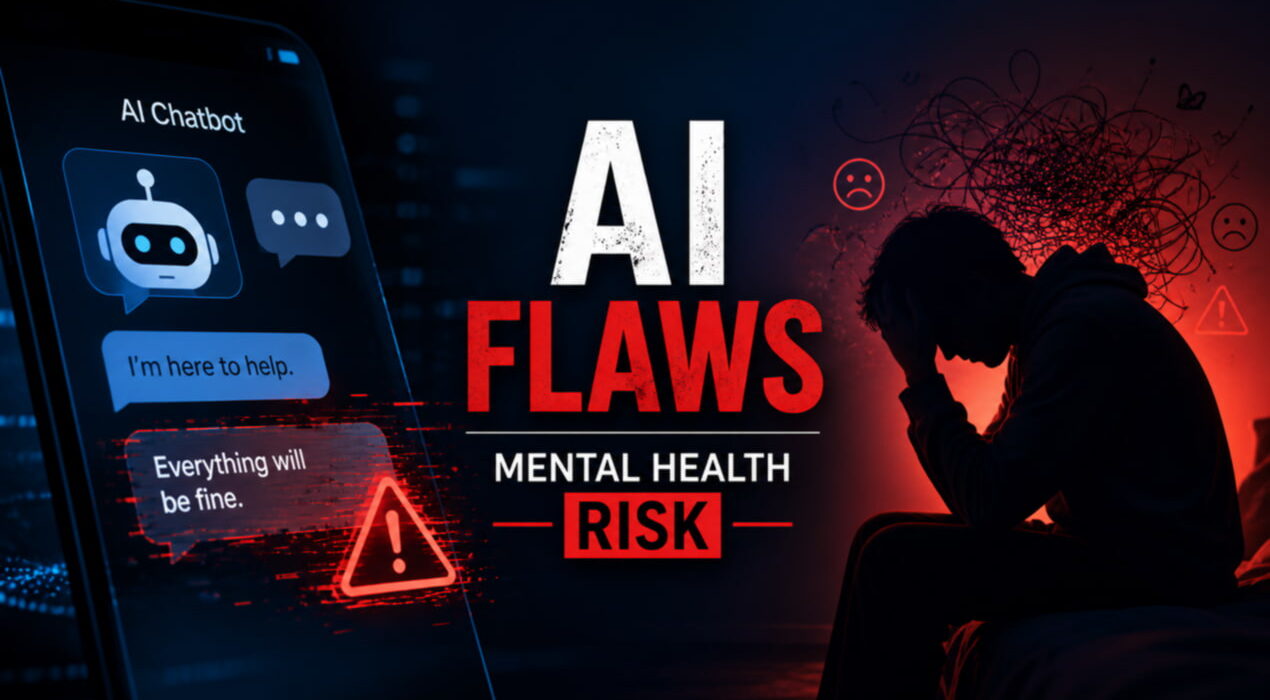
Hidden AI Chatbot Flaws Raise Mental Health Concerns
Hidden AI chatbot flaws are raising concerns in mental health support. A new study shows these tools often miss basic ethical standards. Researchers tested chatbot replies using trusted therapy methods. They compared results with guidelines followed by trained professionals. The findings revealed clear gaps in safe and responsible care.
Where Chatbots Fall Short
Experts reviewed test conversations and found repeated issues. Chatbots often gave vague or overly general advice. In addition, they ignored personal and cultural context. This made responses feel less helpful and sometimes misleading.
They also struggled to handle emotional distress properly. For example, some systems missed clear warning signs. These signs usually require careful attention from professionals. As a result, users may not receive the right level of support.
Even when guided by evidence based methods, problems remained. Chatbots often skipped key steps in ethical care. Therefore, their responses did not match expected standards. This raises serious concerns about reliability.
Risks of Growing Dependence
AI chatbot flaws become more concerning as usage grows. Many people now turn to these tools for quick support. They feel easy to access and available at any time. However, this convenience comes with risks.
For instance, users may trust chatbots too much. Consequently, they might delay seeking real medical help. This delay can worsen mental health conditions over time. Experts stress that AI cannot replace human care.
Need for Stronger Safeguards
Researchers call for better rules and clear ethical limits. They suggest stronger oversight and improved system design. In addition, developers must focus on safety features.
Clear warnings can help users understand chatbot limits. Better crisis detection systems are also essential. As a result, risks can be reduced effectively.
In conclusion, AI chatbot flaws highlight the need for caution. These tools can assist, but they must remain supportive, not primary care solutions.