Lead Poisoning Pakistan Children: UNICEF Report Reveals Health Crisis
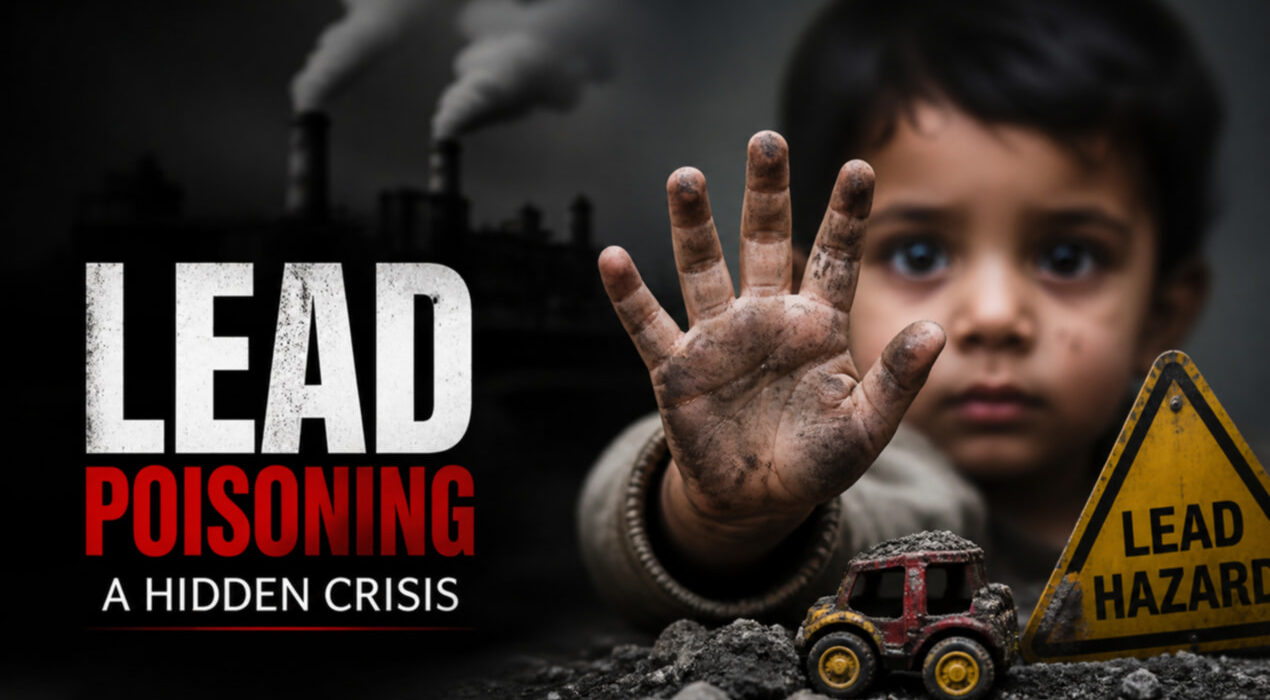
A new report from the Ministry of Health and UNICEF raises serious concerns. It reveals lead poisoning Pakistan children face across multiple regions. The findings highlight a growing public health emergency.
The details surfaced during “Sawal Yeh Hai,” hosted by Maria Memon. Researchers tested over 2,000 children in high risk areas. As a result, 40 percent showed lead in their blood.
The issue mostly affects children aged 12 to 36 months. In fact, four out of ten toddlers carried dangerous levels. This trend signals a major risk to early childhood development.
High Risk Areas and Findings
The report shows sharp differences between regions. For example, Hattar in Haripur recorded the worst situation. There, 88 percent of children had alarming lead levels.
In contrast, Islamabad reported only one percent of cases. However, industrial zones tell a different story. Cities like Karachi, Lahore, Peshawar, Quetta, and Rawalpindi showed varying contamination levels.
Experts link these differences to environmental exposure. Industrial pollution plays a key role in spreading toxic substances. Therefore, children living near such areas face higher risks.
Health Effects and Causes
Lead exposure harms children in many ways. It affects brain development, learning ability, and behavior. In addition, it weakens the immune system.
Children may suffer memory loss and reduced intelligence. Moreover, long term exposure can cause serious health issues. Experts warn that even small amounts can be dangerous.
Common sources include battery recycling and polluted air. For instance, contaminated food, spices, and paints also contribute. Traditional cosmetics can also expose children to lead.
Urgent Action Needed
Authorities now call this a national priority. The government plans a nationwide survey soon. It will assess children and pregnant women for exposure.
Experts estimate that up to 80 percent of children may be affected. As a result, economic losses could reach billions annually. Strong policies and awareness can help reduce this growing crisis.