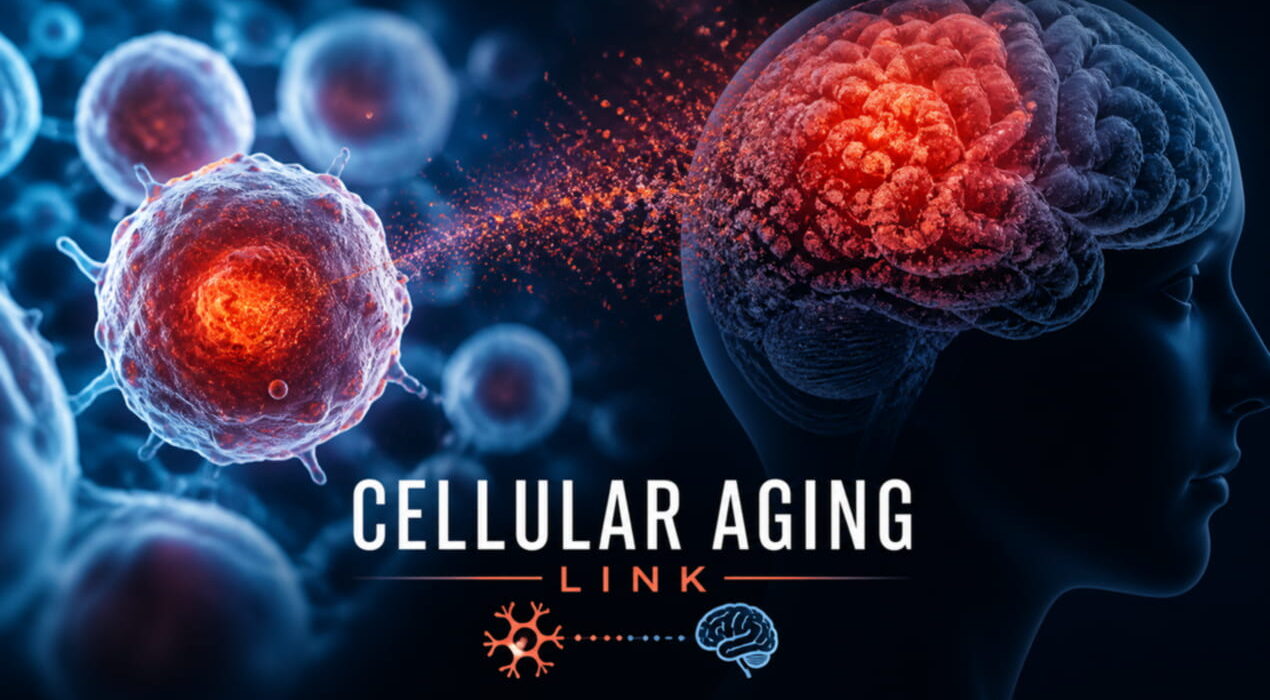
Cellular Aging Depression Link Found in Monocytes and Mental Health Signals
Cellular aging depression research now highlights the role of immune cells called monocytes. These cells support many immune responses and rise in people with depression. In addition, they play a key role in HIV infection.
Researchers found that aging in monocytes acts as a sensitive biomarker. It links strongly to non-somatic symptoms of depression. For example, these include anhedonia, hopelessness, and feelings of failure.
Monocytes and Mental Health
Scientists observed this pattern in women with and without HIV. However, the results challenge common assumptions about symptoms. Many people with HIV report fatigue and physical discomfort.
Doctors often link these symptoms to chronic illness. Instead, this research shows a different picture. The findings connect cellular aging depression to mood and cognitive changes.
As a result, mental health signals may appear before clear physical symptoms. This shift could improve early detection strategies. It also highlights the need to reassess how symptoms are interpreted.
Biomarkers and Future Diagnosis
Interestingly, other epigenetic clocks did not show the same link. Those models use mixed cell and tissue data. Therefore, monocytes may provide a more precise signal.
Perez notes that more research is still needed. Scientists must confirm how epigenetic aging affects depression. In addition, they aim to refine how these biomarkers work.
Toward Personalized Care
In the long term, biomarker tests could transform care. Early diagnosis may become easier and more accurate. Doctors could also match treatments to individual profiles.
For instance, specific markers may predict which medication works best. This approach supports more personalized care. It also combines biological data with lived experience.
Overall, cellular aging depression research opens new possibilities. It moves mental health toward measurable and targeted solutions.