Sindh Extends Motorcycle Fuel Subsidy Program Till 2026
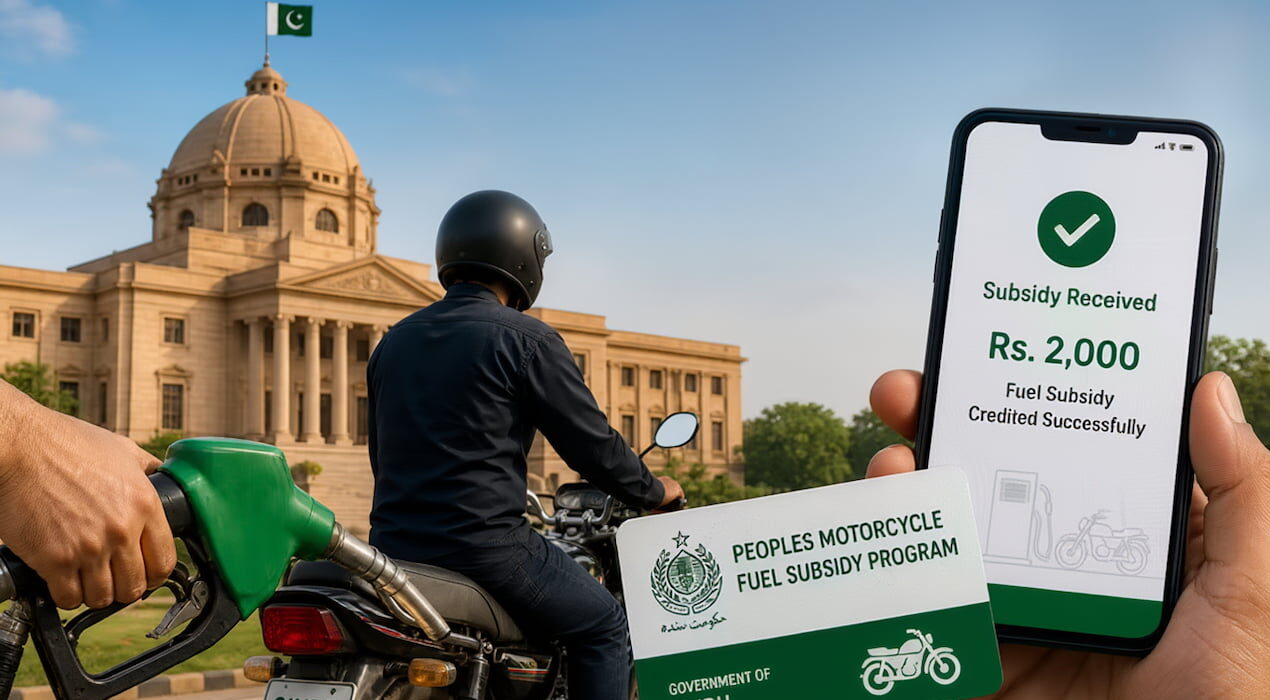
Sindh has extended the Motorcycle Fuel Subsidy program until May 31, 2026. The cabinet approved this decision to support low-income riders and ride-hailing drivers across the province. Murad Ali Shah led the cabinet meeting and confirmed the extension. Officials said the government will continue the Peoples Motorcycle Fuel Subsidy Program with fresh funding.
The government will release Rs. 2 billion for May under the subsidy plan. This amount will keep financial support active for beneficiaries. As a result, riders can manage rising fuel costs more easily.
Officials reported that more than 548,000 people currently receive payments under the program. In addition, the government has already disbursed Rs. 1.096 billion. Therefore, the program continues to provide wide financial relief.
Relief for Riders and Drivers
The cabinet also approved a tax cut for motorcycle-based ride-hailing services. It reduced sales tax from 5 percent to 2 percent. This decision aims to ease pressure on drivers. Officials expect the reduction to improve driver income. For example, lower tax rates can increase take-home earnings for online riders.
In addition, the government believes the change will support digital transport growth. As a result, more drivers may join ride-hailing platforms.
The chief minister said the policy focuses on public relief and economic support. He added that the government wants to help both commuters and workers.
Continued Financial Support
The subsidy program plays an important role in supporting daily commuters. It helps reduce transport costs during inflation. Therefore, many families benefit from continued assistance. The government plans to monitor the program closely. It will also ensure timely payments to all registered beneficiaries. This step will maintain trust and transparency.
Overall, Sindh continues to expand financial support for transport workers. The extension of the Motorcycle Fuel Subsidy and tax reduction show a clear focus on affordability and economic stability.