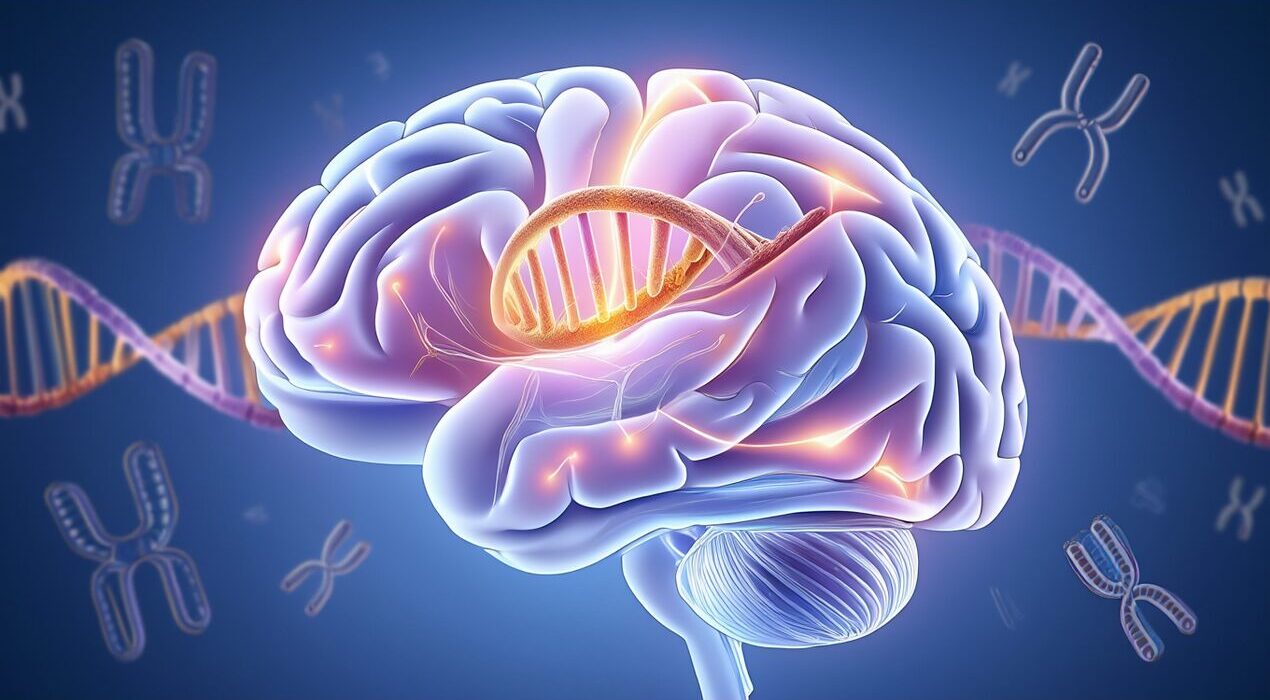
ReNU2 Syndrome Discovery Reveals Common Genetic Brain Disorder
The ReNU2 syndrome discovery marks a major breakthrough in understanding genetic brain disorders. Scientists identified a hidden condition affecting thousands of people. As a result, many families may finally receive accurate diagnoses.
Genetic Cause and Key Findings
Researchers at Icahn School of Medicine at Mount Sinai uncovered the disorder linked to the RNU2-2 gene. This gene produces a molecule essential for normal brain development. However, mutations reduce its function, leading to neurological challenges.
The condition follows a recessive inheritance pattern. Children inherit one altered gene from each parent. In addition, parents often show no symptoms, which makes detection difficult.
Symptoms vary widely among individuals. Common signs include developmental delays, low muscle tone, and speech difficulties. Some children also show traits linked to autism or epilepsy. Therefore, diagnosis often requires detailed genetic testing.
Impact on Diagnosis and Future Treatment
The ReNU2 syndrome discovery emerged from large-scale genomic analysis. Scientists studied data from thousands of individuals. For example, they analyzed over 41,000 noncoding genes to identify rare variants.
Researchers confirmed that reduced U2-2 RNA levels play a key role in the disorder. This finding provides a clear biological explanation. As a result, it offers a strong target for future therapies.
Scientists are now expanding research through new studies and collaborations. These efforts aim to improve diagnosis and understand disease progression. Moreover, they may lead to treatments such as gene-based therapies.
Although no cure exists yet, progress is encouraging. This discovery could reshape how scientists study neurodevelopmental disorders. Ultimately, it brings hope for better care and long-term solutions.