Cruise Hantavirus Outbreak: WHO Suspects Rare Human Transmission on Ship
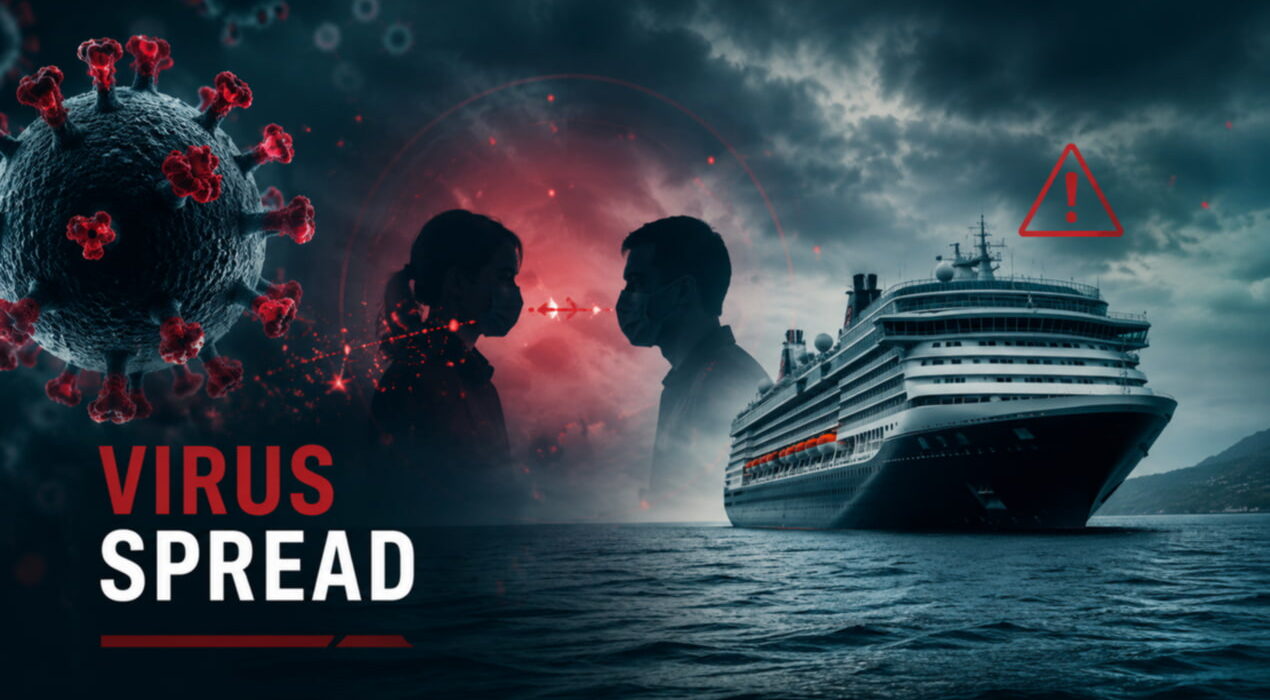
Health authorities suspect limited human transmission in the cruise hantavirus outbreak aboard MV Hondius. The WHO says risk to the public remains low. Seven cases have been confirmed or suspected on the ship.
WHO investigation update
Investigators believe infection may have spread through very close contact. However, such transmission is rare for this virus. Testing is ongoing to confirm the strain involved. Health agencies say rodents are usually the main source of infection. The Andes strain is under review as a possible cause. Experts emphasize that person-to-person spread usually requires prolonged close exposure. Public risk assessment has not changed.
Casualties and evacuations
Three passengers have died, including a Dutch couple and a German national. A British passenger is in intensive care in South Africa. Authorities are preparing medical evacuations for others. Contact tracing is underway for passengers who shared flights. Officials are coordinating with international health teams. The first fatal case occurred on April 11. The second death happened after medical evacuation to Johannesburg. Medical teams continue monitoring remaining passengers for any new symptoms. Evacuations will proceed once authorities confirm safe transport conditions.
Ship response and status
The ship remains moored near Cape Verde after being denied entry. Operators are working with governments to evacuate sick passengers. Most travellers on board are British, American and Spanish. The vessel left Argentina in March and visited remote Antarctic regions. Authorities are also monitoring remaining passengers for symptoms. WHO officials are working with ship operators and affected countries. They aim to ensure safe repatriation of all passengers. The cruise is a luxury expedition with high-value bookings. Passengers visited Antarctica and remote islands during the voyage. The situation remains closely monitored by global health teams.