Hidden Repair Ability Found in Mammals, New Study Suggests
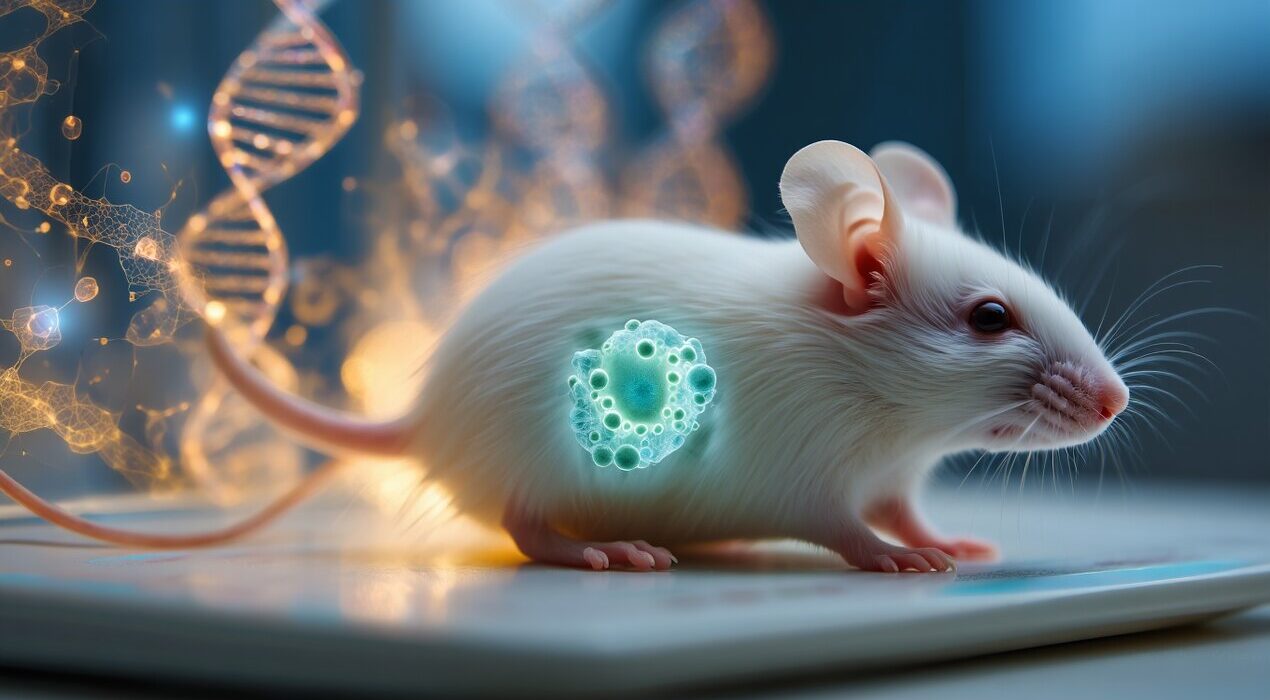
Hidden repair ability in mammals may be more real than scientists thought. A new study shows signs of this hidden repair ability during tissue healing. Researchers at Texas A&M University found that growth signals can guide cells to rebuild bone and connective tissue after injury. The results suggest mammals may still carry regenerative potential, even if it is normally inactive.
Redirecting Cell Healing Signals
Scientists tested a two-step method using growth factors. First, they applied FGF2 after wound closure. This step allowed normal healing to finish while changing cell behavior. FGF2 encouraged a blastema-like structure, similar to regenerative animals.
Later researchers applied BMP2. This signal guided cells to form bone tendon ligament and joint tissues. As a result damaged areas began to rebuild structured tissue instead of scar tissue.The approach carefully times biological signals. Therefore cells first complete sealing before regeneration cues begin. This sequencing helps avoid interfering with normal healing processes.BMP2 is already used in some medical procedures. Therefore researchers believe translation into clinical studies may be possible sooner than expected. Further testing will confirm safety and effectiveness.
Implications for Human Healing
Researchers say this work does not rely on adding new stem cells. Instead it uses cells already present in the body. These cells can shift behavior when given the right signals. This could reduce scarring in future treatments.Scientists believe the findings may improve wound care first. Full limb regeneration remains a distant goal. However better control of healing signals could improve recovery after serious injury or amputation.The study suggests regeneration may be dormant rather than lost. Therefore future therapies could focus on reactivating natural repair systems instead of replacing them. This shift may reshape regenerative medicine research.
Researchers plan more studies to refine this method. Ultimately the goal is safer healing and better recovery outcomes for patients worldwide. Results remain highly promising.