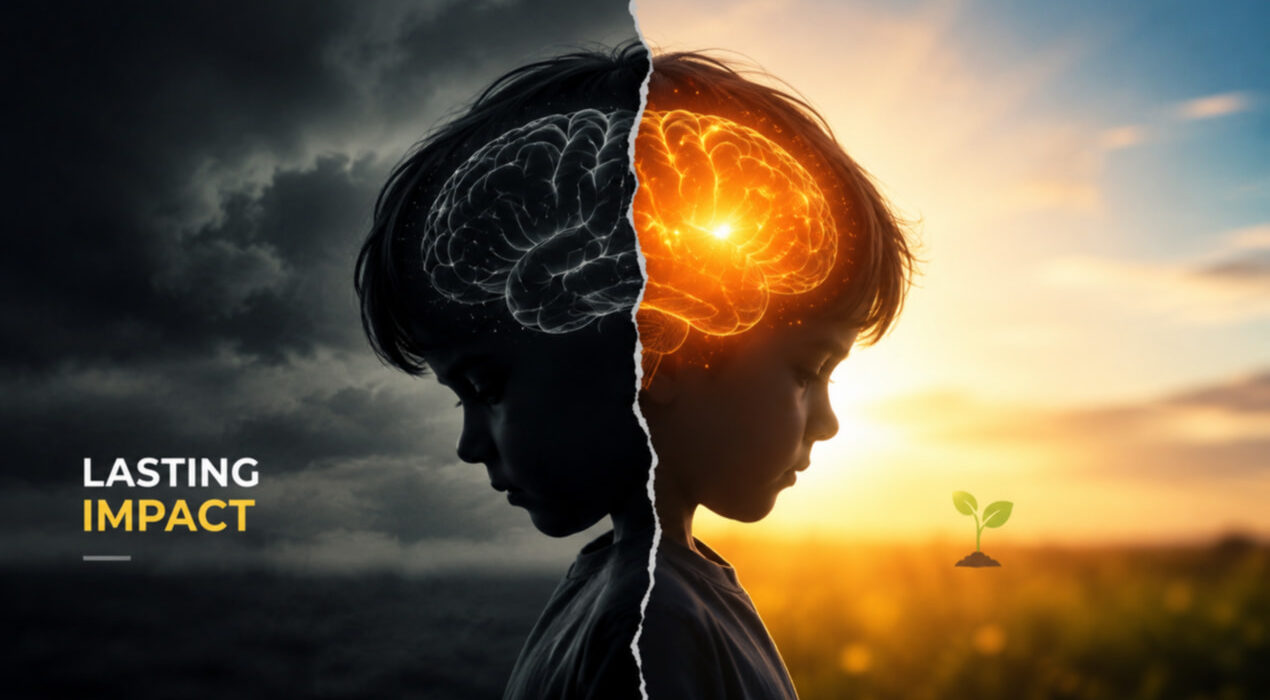
Childhood Stress Linked to Long-Term Brain Function Changes
Childhood stress can affect brain function for many years, according to new research. Scientists found that people who faced maltreatment during childhood often performed worse on memory and thinking tests later in life. These effects appeared in both young adults and middle-aged people. Researchers say the findings show how early experiences may shape brain health across the lifespan.
The study examined people with histories of emotional abuse, physical harm, or neglect during childhood. Researchers compared them with individuals who did not report those experiences. Results showed noticeable differences in attention, memory, and processing speed. In addition, many participants struggled with tasks linked to focus and decision-making.
Experts believe stress during early development can influence how the brain grows and functions. Therefore, long-term exposure to fear or instability may affect learning and emotional regulation for years afterward.
Lasting Effects on Cognitive Health
Scientists say childhood adversity may change neural circuits connected to memory and executive control. As a result, some people experience slower thinking or weaker working memory later in life. Researchers also noted difficulties with complex reasoning in several participants.
Importantly, these patterns remained visible even after experts considered other life factors. For example, income, education, and lifestyle differences did not fully explain the results. This suggests that early stress itself may leave a lasting biological impact on the brain.
Why Early Support Matters
Health experts stress the importance of safe and supportive environments for children. Positive relationships and emotional care may help reduce the long-term effects of stress. In addition, schools and communities can play a key role in supporting mental well-being.
Researchers hope the findings encourage stronger awareness about childhood mental health. They also believe early intervention could improve cognitive health later in life. As research continues, scientists aim to identify better ways to protect brain development and support children facing adversity today worldwide.