Cheap Material Kills Superbugs
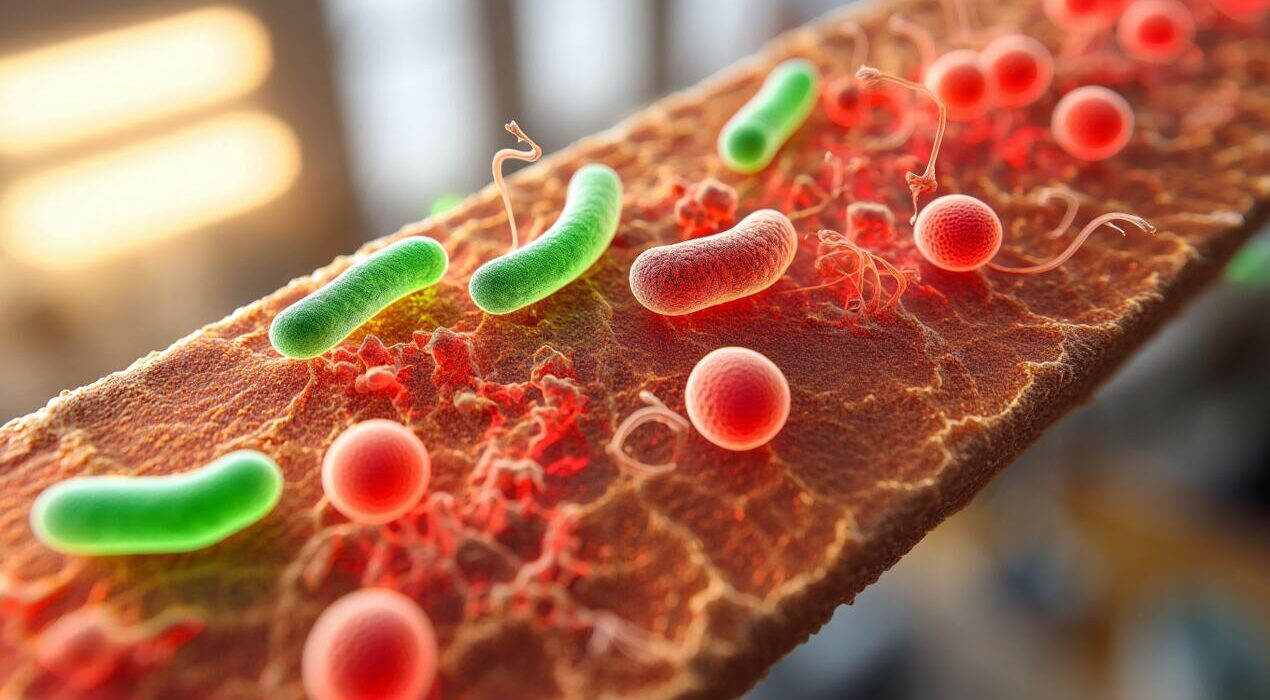
Scientists have found a cheap material that kills superbugs. It is a sulfur-rich polymer. This new substance fights both fungi and bacteria. Importantly, it does not harm human or plant cells.The World Health Organization calls antimicrobial resistance a top global threat. Dangerous pathogens like Staphylococcus aureus and tuberculosis are becoming harder to treat. Therefore, affordable solutions are urgent.A team from Flinders University led this research. Professor Justin Chalker headed the study. The work also involved scientists from the UK. Their findings appear in the journal Chemical Science.
How It Works
Previous sulfur-based antimicrobials had problems. They often smelled bad. They also dissolved poorly. However, this new polymer overcomes those limits. It shows strong potency against many pathogens.Lead author Dr. Jasmine Pople explains the potential. This material could become part of low cost medicines. It could also help agriculture. For example, fungal infections damage crops. This polymer may offer a broad-scale solution.The team made the polymer using a cutting-edge tool. It is a photochemical flow reactor. Flinders University invented the key reaction. As a result, production is efficient and scalable.
Beyond Medicine
This project is part of a larger mission. Researchers want to transform surplus sulfur into valuable products. In addition to antimicrobials, they have developed other innovations. These include plastics that recycle easily. They have also made low-cost thermal imaging lenses.Another example is a sulfur polymer that recovers gold from electronic waste. Those findings appeared in top journals like Nature Sustainability.Microbiologist Associate Professor Bart Eijkelkamp says the testing was thorough. The team combined advanced chemistry with biological tests. That approach strengthens the results.This cheap material could save lives. It could also protect our food supply. The fight against superbugs just gained a powerful new weapon.