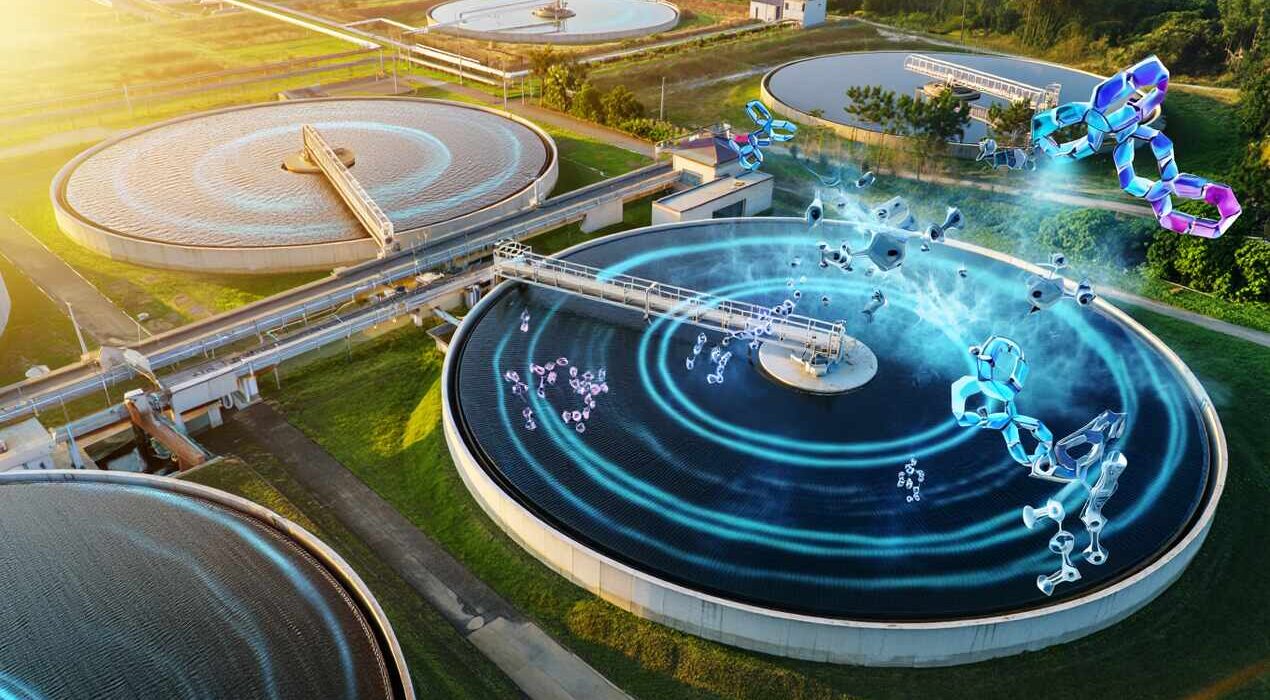
PFAS Destruction Discovery Reveals New Way To Break Down Forever Chemicals
Scientists made a major PFAS destruction discovery that could help fight dangerous forever chemicals. Researchers found that intense ultraviolet light can trigger reactions that break down PFAS compounds. These chemicals appear in drinking water, food packaging, rainwater, and even human blood. However, scientists struggled for years to destroy them completely. The new study from Aarhus University now points to hydrogen radicals as the key driver behind the breakdown process.
UV Light Triggers Chemical Breakdown
PFAS chemicals resist natural degradation because they contain extremely strong carbon fluorine bonds. As a result, they remain in the environment for years or even decades. Most current cleanup methods only remove the chemicals from water without fully destroying them.Researchers discovered that powerful UV light creates hydrogen radicals from water molecules. These highly reactive particles attack PFAS compounds and strip away fluorine atoms. Over time, the process weakens the chemicals and breaks them into smaller substances.Scientists also found that the reaction works best with high-energy UV light below 300 nanometers. Therefore, understanding this process could help researchers design more efficient cleanup systems in the future.
Researchers Hope To Improve Cleanup Technologies
Associate Professor Zongsu Wei led the research team at Aarhus University. He explained that identifying hydrogen radicals gives scientists a clearer understanding of PFAS destruction.
Researchers believe this discovery could support greener and more scalable treatment methods. In addition, future technologies may destroy PFAS instead of simply transferring them elsewhere.The scientists warned that the process still works slowly and may produce intermediate compounds during treatment. However, the findings represent an important step forward in pollution research. This PFAS destruction discovery shows that even highly stable contaminants may eventually become vulnerable through advanced chemistry and targeted reactions.