IMF Budget Reforms Pakistan New Taxes, Subsidy Cuts, and Privatization Plans
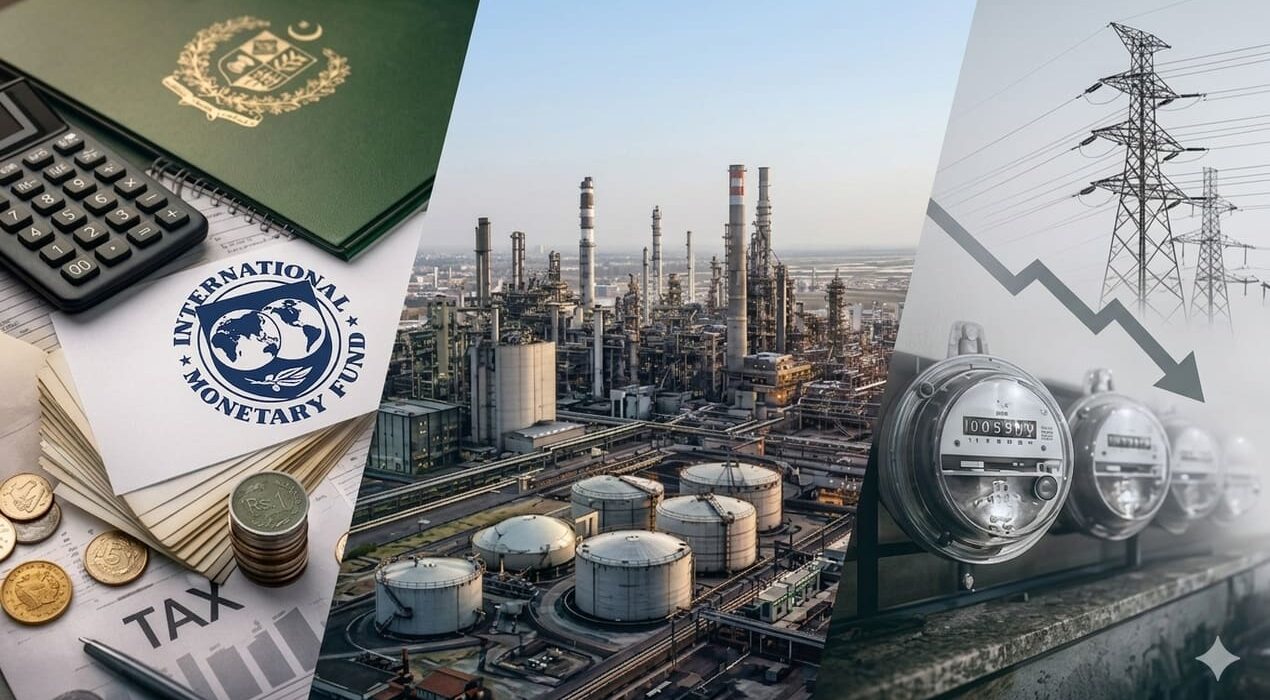
The IMF budget reforms Pakistan plan is set to reshape the economy. The government has agreed to major fiscal steps. These include new taxes and subsidy cuts. Officials confirmed Rs860 billion in additional tax measures. At the same time, they decided to end petrol and diesel subsidies. As a result, living costs may rise for many people.
Higher Taxes and Revenue Goals
The government plans to increase revenue quickly. For example, it aims to collect Rs2,000 billion through General Sales Tax. This move will strengthen the tax base. Authorities also set ambitious targets for the next year. They expect Rs7 trillion in the first six months. By June 2027, the goal may reach Rs15.27 trillion. However, these targets bring added pressure. Experts expect an extra Rs430 billion burden on the public. Half will come from new taxes, while the rest will come from strict audits. In addition, provinces may introduce their own taxes. This step could further increase financial stress for households and businesses.
Fuel Costs and Economic Impact
Fuel prices will likely rise soon. The government plans to remove subsidies on petrol and diesel. Therefore, transport and daily expenses may increase. Moreover, authorities aim to collect Rs1,727 billion through petroleum levy. This figure is Rs260 billion higher than the current year. As a result, consumers may feel the impact directly. On the other hand, some sectors may receive relief. However, others will carry more of the burden. This shift could change market dynamics.
Agriculture and Privatization Plans
The agriculture sector remains lightly taxed. It contributes about 25% to the economy. Yet, it generates only 0.3% in tax revenue. Despite promises, progress on taxing farm income remains slow. Therefore, other sectors continue to carry the load. Meanwhile, privatization efforts are gaining pace. The government plans to sell stakes in power companies. These include IESCO, GEPCO, and FESCO.
Officials may sell 51% to 100% shares by early 2027. In addition, management control could shift to private investors. If privatization delays occur, authorities may merge some companies. The government is also working on selling 27 state owned entities. However, delays in appointing a financial adviser for Roosevelt Hotel have raised concerns.