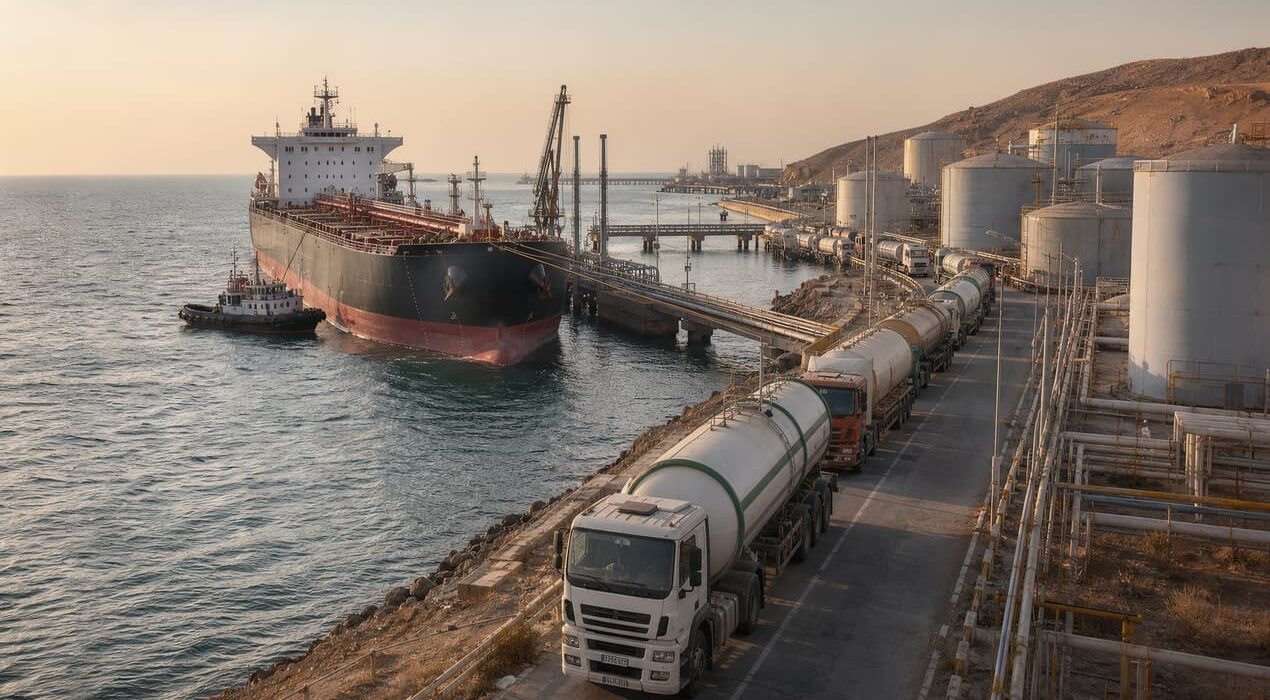
Iran Oil Smuggling Spike Pakistan Faces Fuel Crisis Risks
The Iran oil smuggling spike is again making headlines in Pakistan. Authorities are trying to control illegal fuel inflows. However, the issue remains complex and widespread. At the same time, some experts see short term relief. They argue cheaper smuggled fuel helps during global price hikes. Still, this relief may not last long.
Oil Supply Pressures Increase
Pakistan faces growing pressure on fuel supplies. The closure of the Strait of Hormuz has added uncertainty. Therefore, the risk of shortages has increased. In response, Kuwait and Saudi Arabia have sent oil shipments. These supplies aim to ease immediate concerns. However, Pakistan still lacks strong oil reserves. As a result, officials now plan to build strategic storage. This step could reduce future supply shocks.
Smuggling Routes and Scale
Smuggled fuel enters through remote areas. These include Makran and Rakhshan regions. From there, it spreads to Sindh and Southern Punjab. The scale of the trade is alarming. Around 2.8 billion litres enter illegally each year. Consequently, the government loses about Rs227 billion annually. Most of this fuel sells at roadside outlets. These stations operate without proper licenses. Therefore, they bypass taxes and regulations.
Economic Impact and Policy Debate
The financial loss continues to grow. Authorities lose about Rs80 per litre in taxes. This equals nearly Rs475 million every day.
Earlier, a crackdown reduced smuggling levels. Daily inflows dropped from 10.1 million litres to around 5 million litres. However, the problem persists. Recently, a proposal from Balochistan sparked debate. Officials suggested selling smuggled diesel at lower rates. Industry experts strongly opposed this idea. They warned it could hurt local refineries. Investors may hesitate to upgrade facilities. In addition, reduced production could weaken the energy sector.
A Critical Turning Point
Pakistan now faces a tough choice. It must balance affordability with long term stability. Strong enforcement could reduce losses. On the other hand, ignoring the issue may harm the economy. Therefore, experts urge clear and consistent policies. The coming months will be crucial.