Punjab Waste to Energy Plan Expands Under Suthra Punjab
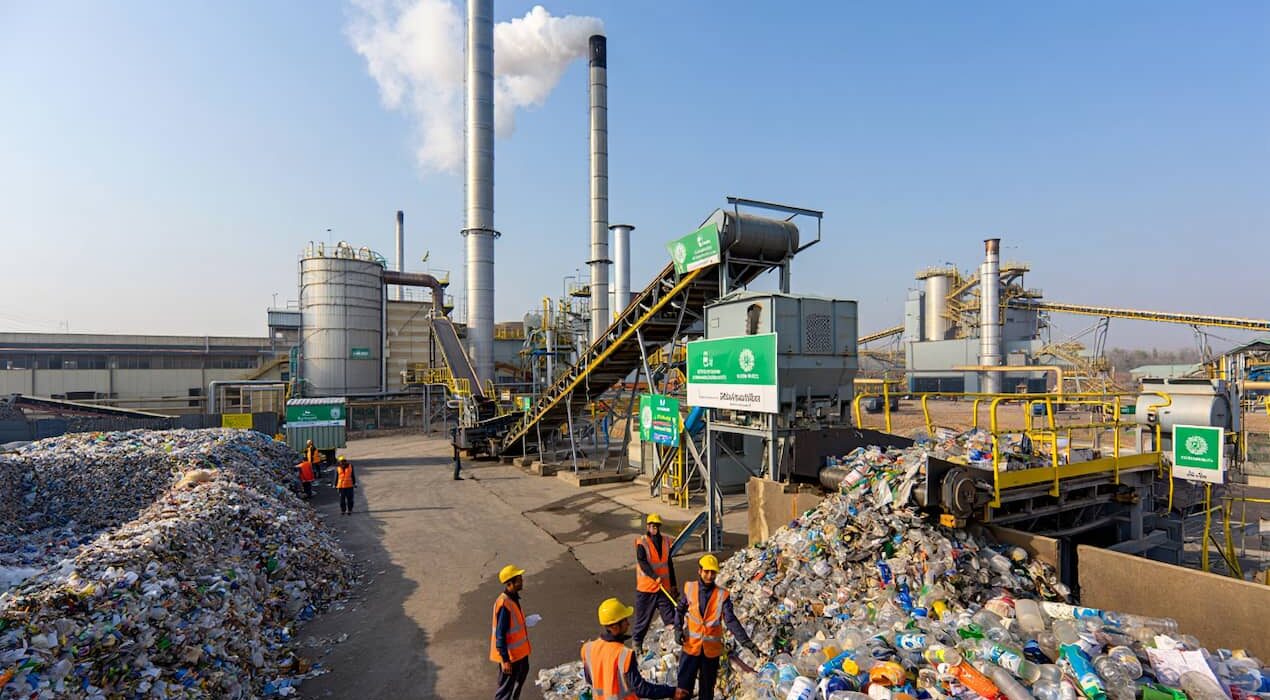
The Punjab government is preparing a major policy to convert waste into energy and reusable products. Officials plan to expand the “Suthra Punjab” initiative through private-sector investment projects. The government may also lease public land to companies for waste-to-energy, biogas, and recycling plants. These projects aim to reduce pollution while producing renewable energy and economic benefits. In addition, authorities want to modernize waste management systems across the province.
Punjab Plans Modern Waste Management System
Officials said the new policy will replace outdated “collect and dump” waste practices. For years, these methods increased landfill overflow, methane emissions, and urban pollution. Therefore, the government is now focusing on sustainable and technology-driven solutions.
Authorities are finalizing rules for leasing government land to environmentally friendly projects. At the same time, regulators are preparing detailed guidelines for private investors. Officials believe these steps will encourage green investment and improve waste management services across Punjab.
The provincial government launched the “Waste to Value” phase under Chief Minister Maryam Nawaz. The project focuses on converting municipal waste into useful products and renewable energy. As a result, officials expect lower pollution levels and improved urban cleanliness.
Lahore Pilot Project Begins Bio-CNG Production
Punjab Local Government Minister Zeeshan Rafique recently reviewed progress on the project. He said the initiative would help convert thousands of tons of waste into energy through modern technology. Furthermore, he called the project an important step toward a cleaner and greener Punjab.
The minister also confirmed that a pilot bio-CNG plant at Lahore’s Lakhodair landfill site has started production. Initially, the facility produced 85 kilograms of CNG daily from waste materials. However, officials now plan to increase methane concentration and improve production capacity.
Authorities described the initiative as a circular economy model. The project aims to reduce waste, create renewable energy, and generate long-term economic returns.