Experimental Cancer Therapy Shows Breakthrough Results in Blood Cancer Trial
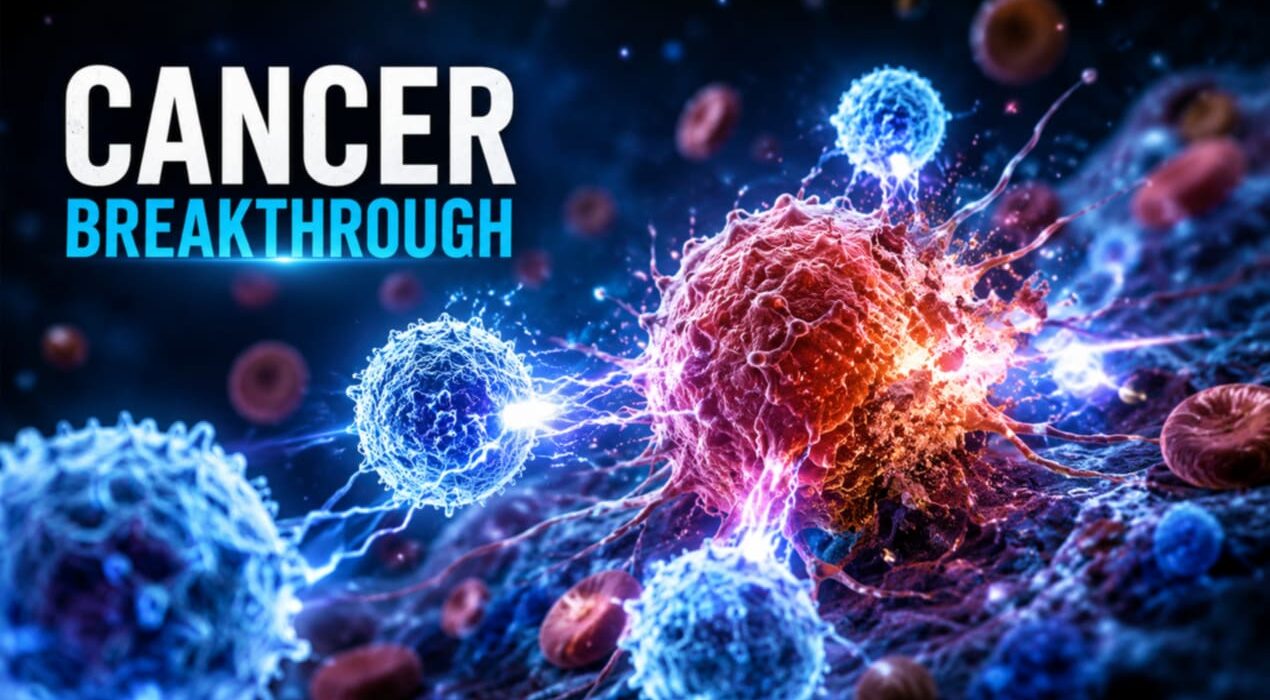
Researchers have reported encouraging early results from an experimental cancer therapy designed to create cancer-fighting immune cells directly inside the body. The treatment could offer a simpler alternative to traditional CAR-T therapy for patients with advanced blood cancer. Early findings have generated excitement among cancer specialists and researchers worldwide.
A Simpler Approach to Cancer Treatment
The therapy, called LB2501, targets patients with relapsed or treatment-resistant B-cell non-Hodgkin lymphoma. Unlike conventional CAR-T treatment, it does not require doctors to remove and modify immune cells in a laboratory. Instead, a single intravenous infusion helps the body generate cancer-fighting cells on its own.
Traditional CAR-T therapy often takes weeks to prepare and requires specialized facilities. However, this experimental cancer therapy could reduce treatment delays and improve access for more patients. As a result, experts believe it may help expand advanced cancer care worldwide.
Promising Early Trial Results
Researchers treated 12 patients during the ongoing Phase 1 clinical trial. The strongest responses appeared in the higher-dose group. All six patients responded to treatment, while five achieved a complete response with no detectable signs of cancer.
Although the results are encouraging, scientists stress that the study remains small. Therefore, larger trials will be necessary to confirm long-term benefits. Nevertheless, the findings mark an important step forward in cancer immunotherapy research.
Safety and Future Outlook
The treatment also showed an encouraging safety profile. Researchers reported no treatment-related deaths, serious adverse events, or severe neurological complications. In addition, infusion-related reactions were generally mild and resolved quickly.
Experts continue to monitor patient outcomes closely. More clinical data will be presented later this month. If future studies confirm these results, experimental cancer therapy could make advanced cancer treatment more practical, affordable, and accessible for patients around the world