Childhood Sensory Overload Linked to Brain Activity Behind Tantrums, Study Finds
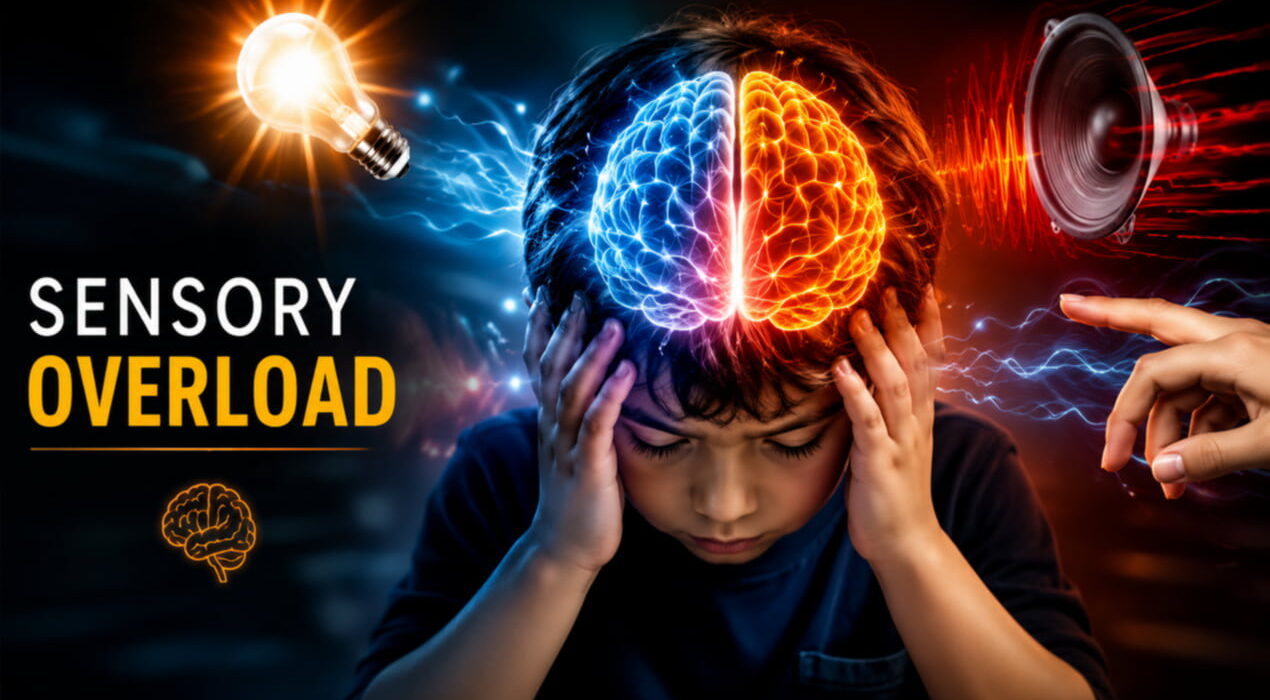
Childhood Sensory Overload may play a bigger role in tantrums than many experts once believed. A new study found unique brain activity patterns in children who become overwhelmed by everyday sensory experiences. These experiences can include bright lights, loud noises, or certain textures. Researchers used functional MRI scans to explore how highly sensitive children process sensory information. Their findings may help explain why some children react more intensely to environmental triggers.
How Sensitive Brains Respond Differently
The study examined 83 neurodivergent children between eight and twelve years old. About half of the participants showed high sensitivity to sensory input. Researchers discovered that these children used different brain networks when facing sensory challenges.
Highly sensitive children showed reduced activity in brain systems linked to sensory awareness and movement. At the same time, they displayed increased activity in networks connected to thinking, self-control, and internal processing. In contrast, less sensitive children showed the opposite pattern. Therefore, the results suggest that children use different neural strategies when responding to the same surroundings.
Scientists believe these changes act as a coping mechanism. The brain may shift resources inward to manage overwhelming sensory information. However, this adjustment can also increase emotional intensity and make strong reactions more likely.
Why Tantrums May Become More Intense
Researchers say these brain activity patterns may help explain sensory-related tantrums. When children struggle to process overwhelming input, emotions can rise quickly. As a result, frustration and distress may become harder to control.
The findings could support more personalized treatment approaches. For example, therapists may use gradual exposure techniques to help children build tolerance to sensory experiences. In addition, understanding these neural patterns may help clinicians create targeted interventions for specific needs.
A Path Toward Better Support
The researchers believe their work offers valuable insight into sensory processing difficulties. Mapping these brain patterns may improve diagnosis and treatment strategies. Ultimately, the study provides hope for families seeking better ways to support children with sensory challenges and emotional reactions.