Iran War Market Impact 100 Days of Global Economic Shifts
It has been 100 days since the conflict began. The Iran war impact is now visible across global markets. As a result, investors and governments are adjusting quickly. Markets remain volatile. However, a lasting peace deal still seems far away. Global stocks dropped early in the conflict. However, many markets recovered over time. In particular, U.S. equities bounced back strongly. The S&P 500 reached record highs. Investors focused on long-term growth instead of short term risks. For example, AI-related companies drove much of the rally. Meanwhile, European markets lagged behind. Rising energy costs created more pressure there. As a result, growth remains slower in that region.
Bonds Signal Inflation Concerns
Bond markets reacted differently. Yields increased as inflation fears grew. This shift reflects concern about rising costs and slower growth. Higher yields mean lower bond prices. Therefore, investors remain cautious. Many expect inflation to stay elevated for longer. In addition, supply chain disruptions continue to worry analysts. These issues may slow global economic recovery.
Oil Prices Remain Elevated
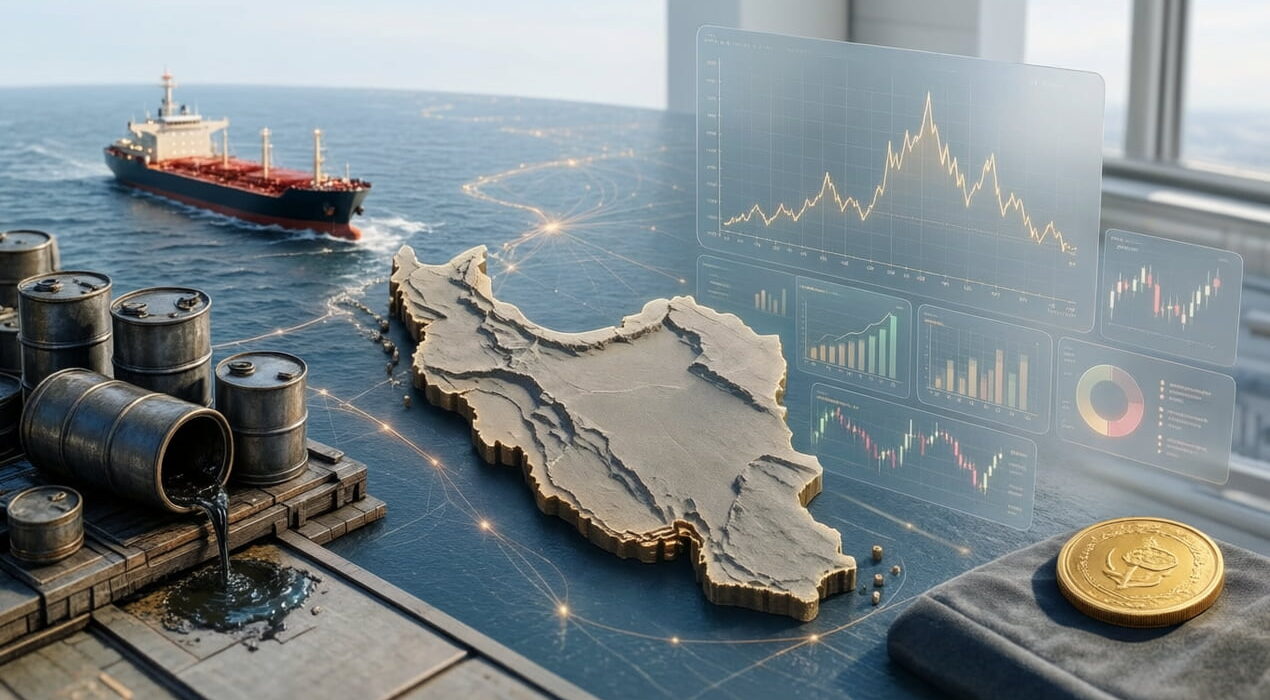
Oil markets saw major swings during the conflict. The Strait of Hormuz disruption played a key role. This route is vital for global oil supply. Prices dropped from peak levels. However, they remain much higher than before the war. For example, Brent crude still trades well above pre war levels. Higher oil prices increase inflation worldwide. As a result, everyday costs continue to rise for consumers.
Uncertainty Still Dominates
The Iran war impact continues to shape global markets. Investors remain hopeful for stability. However, risks still exist. If the conflict continues, economic pressure may grow. Demand could weaken over time. For now, markets stay resilient despite ongoing uncertainty.