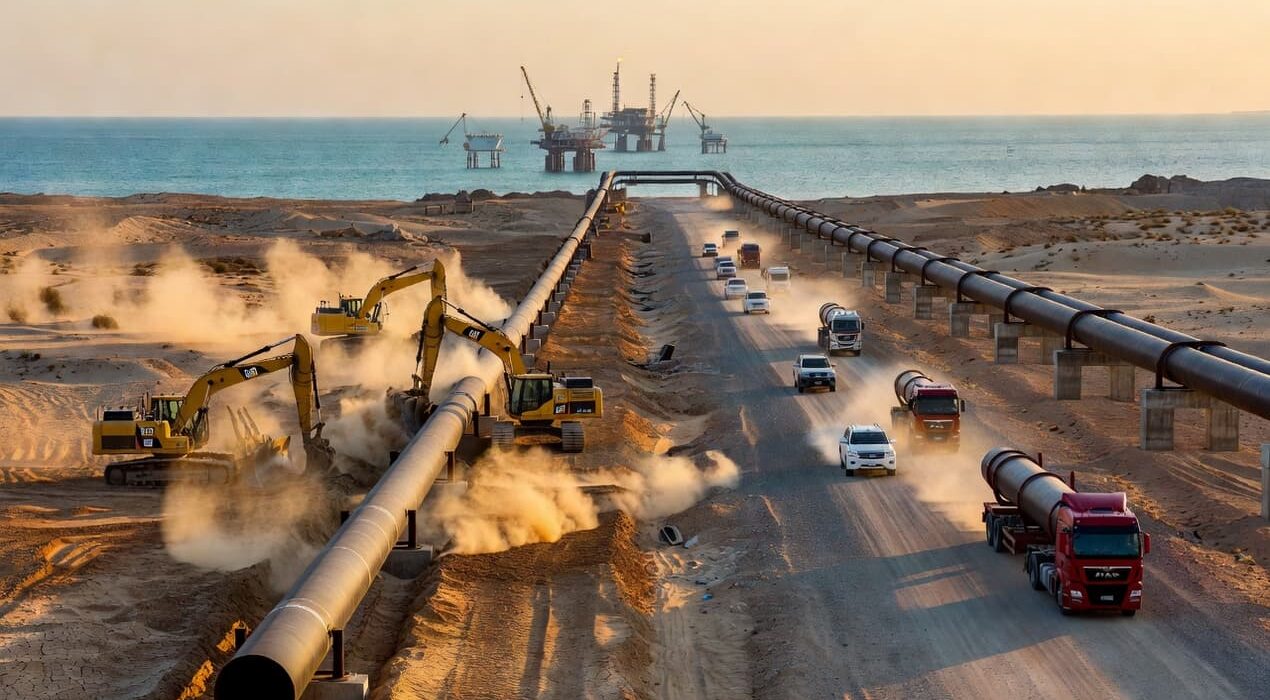
Hormuz Oil Crisis Iraq and UAE Rush New Pipelines
The Hormuz oil crisis is forcing Iraq and the UAE to act quickly. Both countries now seek new pipeline routes. Their goal is clear. They want to reduce reliance on the Strait of Hormuz. This key waterway remains mostly closed due to rising tensions. As a result, oil exports have slowed sharply. Therefore, both nations are exploring safer alternatives.
Iraq Expands Kurdistan Turkey Pipeline
Iraq has approved plans to boost exports through Kurdistan. The route connects to Turkey’s Mediterranean port of Ceyhan. It offers a vital alternative to Gulf shipping. Shipments could rise from 220,000 to 770,000 barrels per day. This increase will support Iraq’s fragile economy. Oil made up over half of Iraq’s GDP in 2025. However, the country still depends heavily on Gulf routes. That dependence now creates serious risks. Hence, the new pipeline plan is urgent.
Export Data Shows Sharp Decline
Recent data highlights the scale of the problem. Iraq’s exports have nearly stopped since the conflict began. This drop reflects its reliance on Hormuz. QuantCube Technology tracked shipping volumes closely. Their data shows fewer vessels leaving Iraqi and UAE ports. In addition, cargo weight has also declined. Traffic through Hormuz has hit historic lows. For example, May recorded the weakest activity since the war started. This trend worries global markets.
Rising Risks for Gulf Shipping
Ships in the Gulf now face growing dangers. Iranian forces may target vessels without approval. At the same time, cooperation risks U.S. sanctions. This situation creates a difficult balance for shipping companies. Many now avoid the route altogether. As a result, global oil supply chains feel the pressure. The Hormuz oil crisis highlights a larger issue. Energy security depends on stable routes. Therefore, Iraq and the UAE must act fast to protect exports.
What Comes Next
New pipelines could ease some pressure. However, they will take time to reach full capacity. Until then, risks remain high. In the long term, diversification is essential. Countries must reduce reliance on single routes. The current crisis makes that need very clear.