Healthcare Allocation 2026: Rs25.1bn Health Projects Boost Pakistan Budget
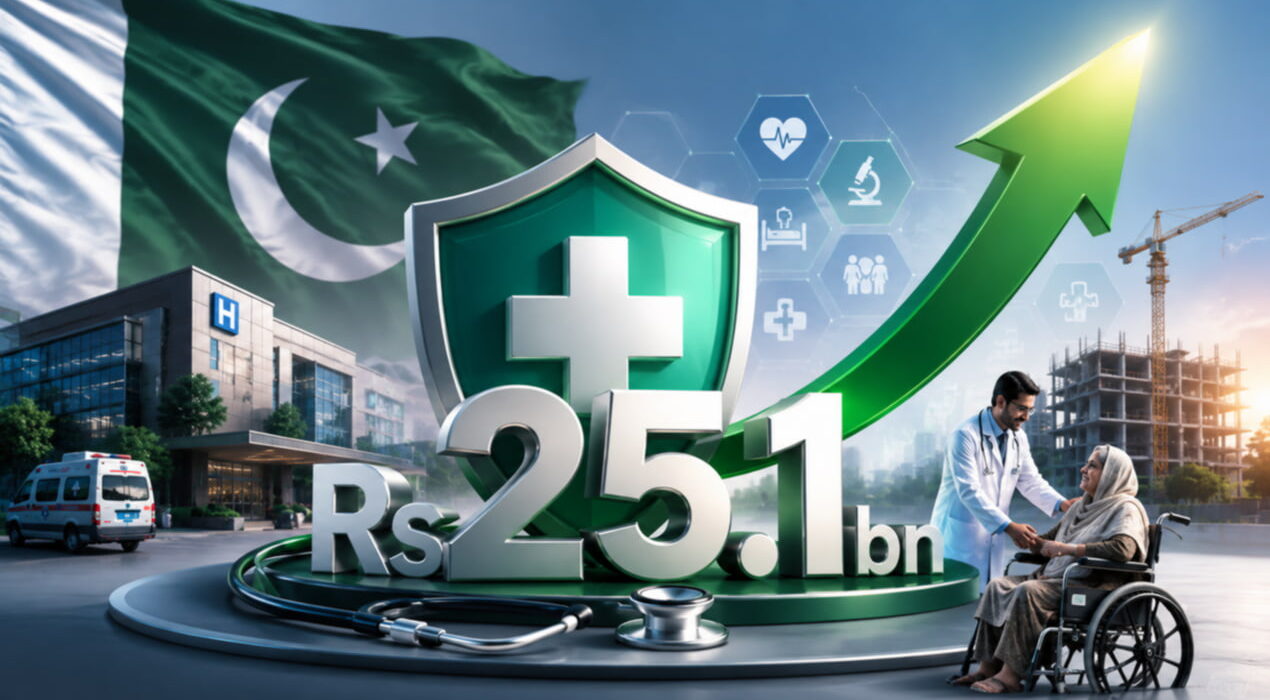
Pakistan has announced Rs25.1 billion for healthcare projects in the federal budget 2026–27. This healthcare allocation 2026 aims to strengthen hospitals, improve services, and expand access nationwide. Moreover, it supports modern systems for better patient care and faster response.
Tertiary Care Expansion
Funds will expand tertiary hospitals in major cities. Specialists will gain improved equipment and training. As a result, patients receive advanced treatment closer to home.
Emergency And Cancer Care
Emergency units will be upgraded to handle critical cases quickly. In addition, cancer treatment centers will grow for early diagnosis and better survival rates. A disease surveillance system will improve monitoring and outbreak detection. Furthermore, diagnostic labs and regulatory frameworks will be modernized for efficiency.
Officials say the plan focuses on long term system improvement. Therefore, resources target hospitals, labs, and emergency response units. The goal is to reduce pressure on overcrowded facilities. Funding comes under the Federal Development Program 2026–27. It supports infrastructure upgrades and service expansion nationwide. Authorities expect better outcomes for patients.
Citizens will benefit from faster treatment and improved access. In addition, rural areas will receive upgraded medical support. This helps bridge healthcare gaps across regions. Overall, the allocation reflects a shift toward stronger public systems. However, success depends on timely execution and transparent management. Continuous monitoring will ensure effective results.
Health authorities also plan better coordination between departments. This coordination will reduce delays and improve service delivery. Technology will play a key role in improving diagnostics and reporting systems across hospitals nationwide.
Therefore, the government expects stronger health outcomes over time. Patients should experience improved care quality and faster emergency response. In addition, data driven planning will support future reforms and ensure sustainable progress in the healthcare sector.
Regular audits and updates will always keep the system aligned with public needs.