Cosmeticorexia Trend Raises Concerns as Young Girls Embrace Adult Skincare Routines
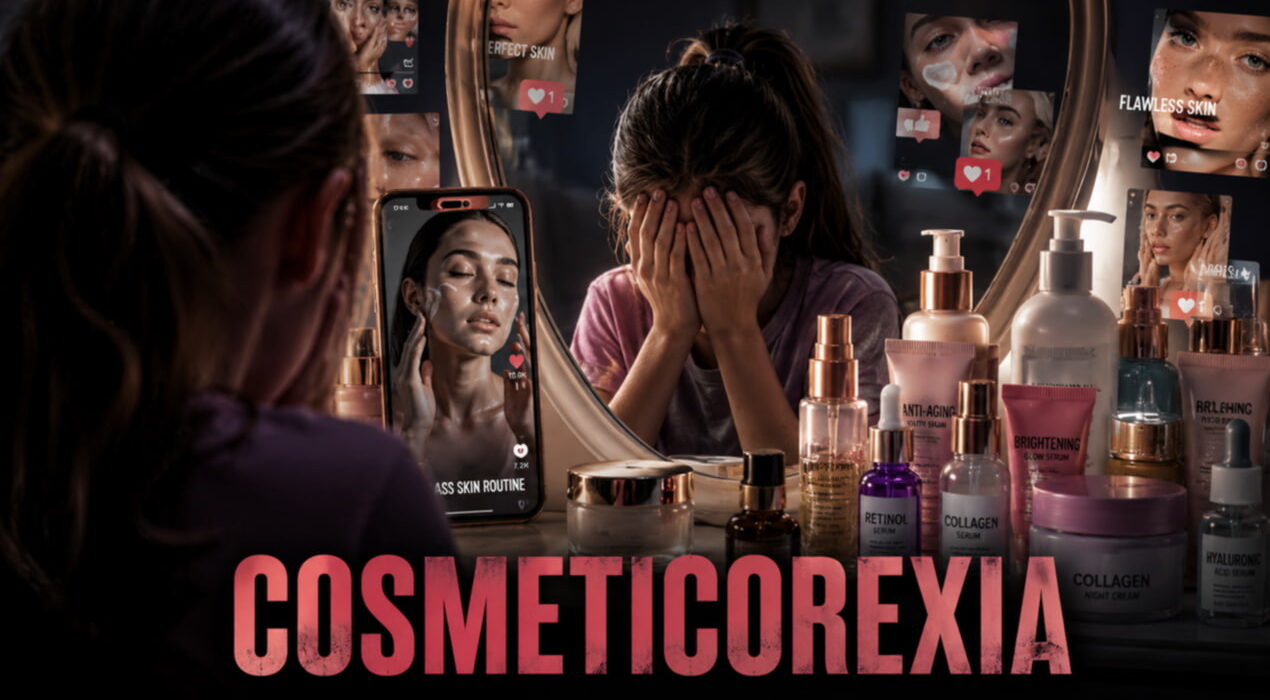
The Cosmeticorexia Trend is raising concerns among health experts as more young girls become obsessed with skincare routines. Social media platforms play a major role in this growing behavior. Many children now follow beauty influencers and use products that are often designed for adults. Experts warn that this habit may harm both physical and emotional well-being.
Social Media Shapes Beauty Expectations
Cosmeticorexia refers to an intense interest in skincare at a very young age. Many girls spend hours watching videos about creams, serums, toners, and other beauty products. As a result, some begin using several products every day.
In the past, teenagers mostly saw advertisements for acne treatments and basic skincare. However, social media now promotes flawless skin and anti-aging products to much younger audiences. Therefore, many children start comparing themselves with unrealistic beauty standards online.
Experts say this constant exposure can influence how children view beauty and self-worth. In addition, some girls feel pressure to maintain perfect skin before they even reach their teenage years.
Risks for Young Skin
Researchers have noticed a rise in skincare use among children. A survey involving 1,500 children aged 9 to 12 found that nearly half used multiple skincare products each week. Many participants said they wanted to fix perceived skin flaws.
Dermatologists warn that children’s skin is naturally healthy and sensitive. Therefore, many adult skincare products are unnecessary. Ingredients such as retinol can irritate young skin and damage its protective barrier. As a result, children may experience redness, itching, dryness, or allergy-related skin problems.
Impact Beyond Appearance
Experts believe the Cosmeticorexia Trend affects more than skin health. Psychologists say the pressure to achieve perfect skin can damage confidence and body image.
Furthermore, constant exposure to beauty-focused content may increase anxiety and dissatisfaction with appearance. Experts encourage parents to guide children toward healthy skincare habits and realistic beauty expectations. By doing so, families can help young people build confidence without relying on excessive beauty products.