Gilgit-Baltistan Election Results Put PPP in Strong Position to Form Government
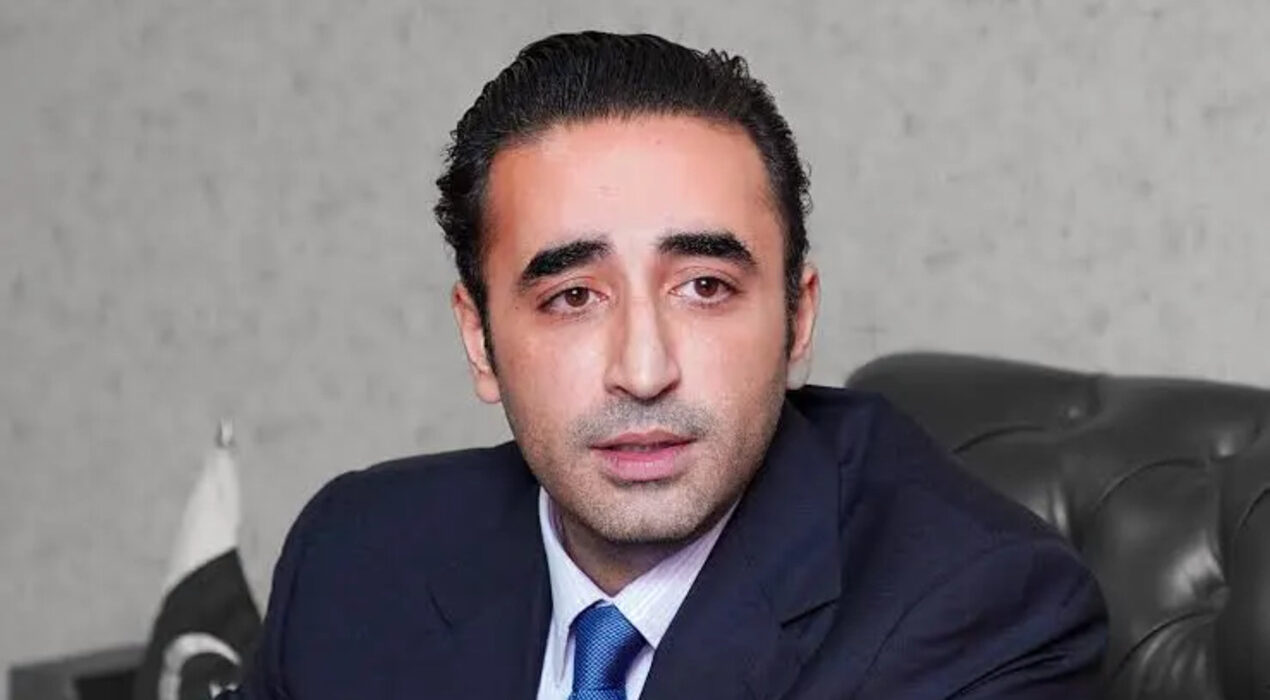
The Gilgit-Baltistan Election Results have placed the Pakistan Peoples Party (PPP) in a strong position to form the next regional government. PPP Chairman Bilawal Bhutto Zardari said his party would lead the government in Gilgit-Baltistan after emerging as the largest political force in the elections. He also called for a broad-based administration that includes other political parties and independent members.
Bilawal Calls for Consensus-Based Government
Bilawal Bhutto Zardari spoke with PPP Gilgit-Baltistan President Amjad Advocate over the telephone following the election outcome. During the conversation, he congratulated party leaders and workers on their performance in the polls. He praised their efforts and described the results as a significant achievement for the PPP.
The PPP chairman also stressed the importance of political cooperation. He directed Amjad Advocate to engage with all successful candidates and begin consultations for government formation. According to Bilawal, a stable administration should represent different political groups and independent lawmakers.
Furthermore, he encouraged party leaders to pursue reconciliation and consensus during the negotiation process. He said such an approach would help strengthen democratic institutions and promote political stability in the region.
PPP Emerges as Largest Party
According to the election results, PPP candidates secured victory in 10 constituencies. This performance placed the party ahead of its competitors and strengthened its claim to form the next government.
Meanwhile, the Pakistan Muslim League-Nawaz (PML-N) won six seats and finished second in the race. Independent candidates claimed seven seats, including two backed by Pakistan Tehreek-e-Insaf (PTI).
Majlis Wahdat-i-Muslimeen secured one seat in the elections. As a result, independent lawmakers and smaller parties could play an important role in the government formation process.
Political observers believe discussions among parties and independents will shape the final power structure in Gilgit-Baltistan. However, the PPP currently holds the strongest position and appears well placed to lead the next regional government.