Tata Pollution Probe iPhone Supply Chain Under Scrutiny In India
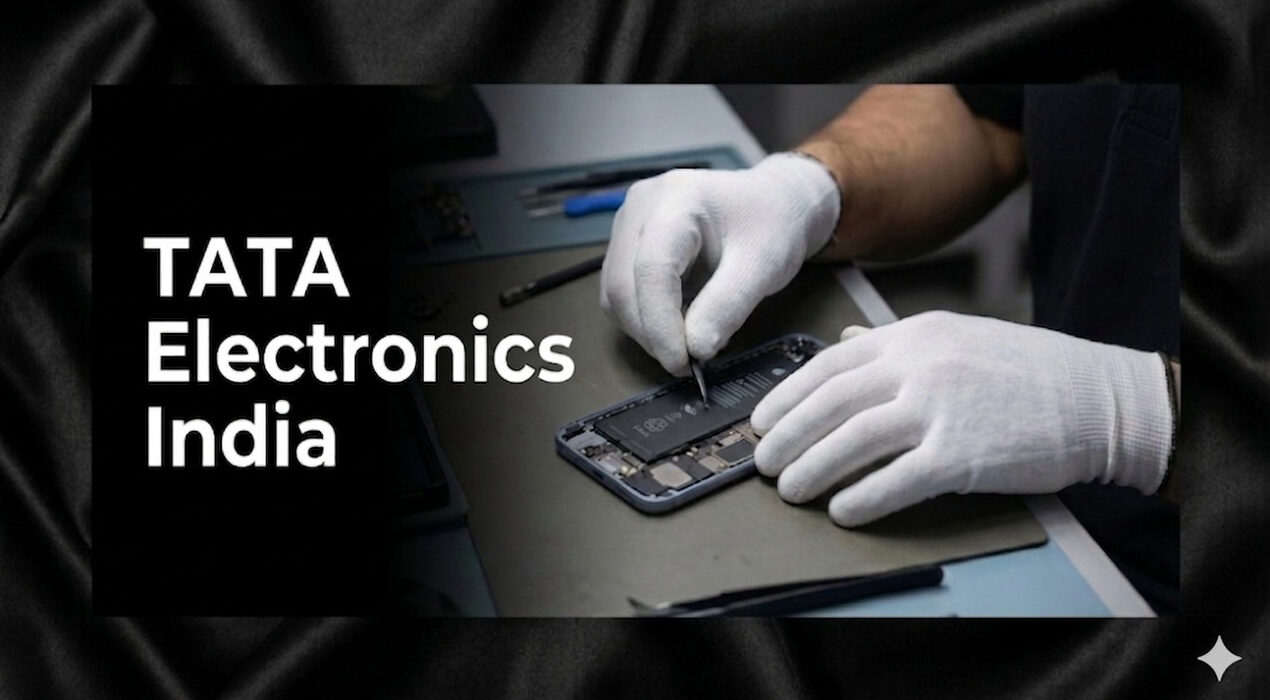
India’s fast-growing iPhone industry faces new questions. The Tata pollution probe highlights concerns about environmental safety and oversight. Authorities allege that a factory linked to Tata Group polluted nearby farmland water. Officials say contaminated water may affect local communities. Therefore, regulators have started a closer review of industrial practices. The case adds pressure on global supply chains operating in India.
Environmental Risks Under Spotlight
Reports suggest that waste from the factory entered agricultural land. As a result, farmers worry about crop safety and water quality. Environmental groups have also called for stricter monitoring. However, the company has not publicly confirmed the allegations. Authorities continue to investigate the claims. Meanwhile, experts stress the need for stronger compliance systems.
Labor Concerns Resurface
In addition, earlier concerns about labor practices remain relevant. A 2024 Reuters investigation found that Foxconn excluded married women from certain iPhone assembly roles. The company said it followed all local laws at the time. This issue raised broader questions about workplace equality. For example, critics argued that hiring practices should remain inclusive and fair. Therefore, companies now face increased scrutiny from both regulators and the public. India’s rising role in iPhone production. India continues to expand its role in global manufacturing. According to Counterpoint, the country may produce 26% of iPhones by 2026. This marks a sharp rise from just 6% four years ago. As a result, global firms like Apple Inc. rely more on Indian suppliers. This shift supports economic growth and job creation. However, it also increases the need for accountability.
What This Means For the Future
The Tata pollution probe highlights a key challenge. Rapid growth must balance with environmental and social responsibility. Therefore, companies must strengthen oversight and transparency. In conclusion, India’s manufacturing boom offers great potential. Yet, it also demands higher standards across the supply chain. Stakeholders now watch closely as the investigation unfolds.