Tzield Type 1 Diabetes Drug Approved for Newly Diagnosed Children
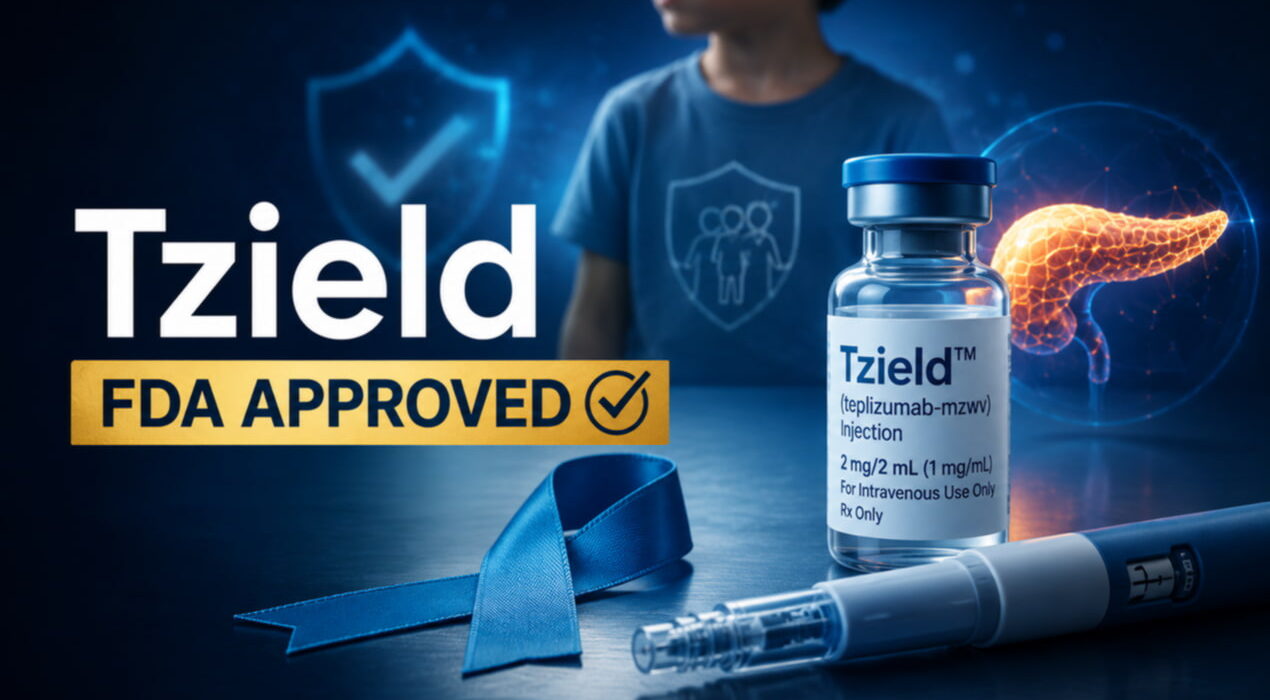
The US Food and Drug Administration has expanded the use of Tzield diabetes approval for children aged 8 to 17 years. The decision applies to patients recently diagnosed with stage 3 type 1 diabetes. As a result, more young patients may benefit from treatment designed to protect insulin production.
The FDA first approved Tzield in 2022. At that time, the drug helped delay progression from stage 2 to stage 3 type 1 diabetes. Since then, regulators have widened its approved use. In April, the agency also allowed treatment for children as young as one year who face a high risk of progressing to stage 3.
How Tzield Helps Patients
Type 1 diabetes is a long-term condition. It develops when the pancreas produces little or no insulin. People with stage 3 disease often experience excessive thirst, frequent urination, and ongoing fatigue. Therefore, many patients require insulin therapy to manage daily symptoms.
Tzield works differently from standard insulin treatment. It targets the immune system response that damages insulin-producing cells. As a result, the drug may help patients maintain their natural insulin production for a longer period. This benefit could improve disease management during the early stages after diagnosis.
Study Results Support Expansion
The latest approval follows results from a clinical study involving 328 children and teenagers. Researchers enrolled patients within six weeks of their stage 3 diagnosis. After about 18 months, those who received Tzield showed a smaller decline in insulin-producing cell function than those given a placebo.
Safety Concerns Remain
Despite the positive findings, safety concerns remain. Tzield carries a boxed warning, which is the FDA’s strongest safety alert. The warning highlights reports of serious viral infections, including Epstein-Barr virus and cytomegalovirus. However, health experts say careful monitoring can help manage potential risks while patients receive treatment.