New Home Battery Helps Cut Electricity Bills Without Investing in Solar Panels
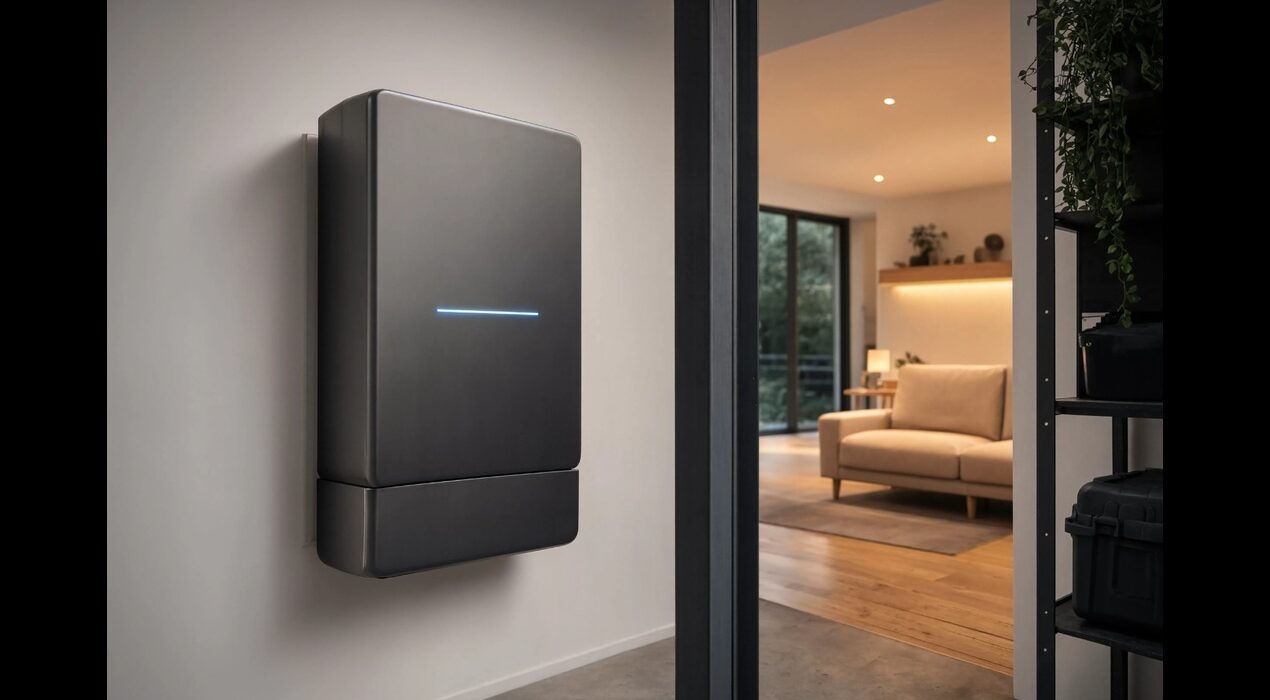
Homeowners looking to reduce energy costs may no longer need to invest in solar panels to see meaningful savings. A growing number of standalone home battery systems are allowing households to store cheap electricity from the grid and use it when energy prices are higher. The technology is gaining attention as energy costs remain a major concern for consumers seeking alternatives to expensive home upgrades.
How the Battery Works
Unlike traditional battery systems that rely on solar panels for charging, standalone batteries can charge directly from the electricity grid during off-peak hours when rates are lower. The stored energy is then used during peak periods when electricity prices are higher. This process, often called “load shifting” or “tariff arbitrage,” allows households to purchase electricity at lower rates and consume it later when costs increase.
Potential Savings for Households
Industry estimates suggest that households using time-of-use electricity tariffs can save hundreds of pounds annually through battery storage alone. Some providers report potential savings ranging from £400 to £800 per year, depending on electricity usage patterns and local tariffs. The approach is particularly attractive for people who cannot install solar panels due to roof limitations, planning restrictions, or property type.
Growing Interest in Battery-Only Systems
Battery storage is increasingly being viewed as a standalone energy solution rather than simply an add-on to solar installations. Energy experts note that falling battery costs and the rise of smart electricity tariffs are making the technology more accessible to homeowners. Many modern systems also include software that automatically charges batteries when electricity is cheapest and discharges them during expensive periods, requiring little user intervention.
Why It Matters
As energy markets become more dynamic, consumers are looking for ways to gain greater control over household electricity costs. Battery-only systems offer a potential solution without the larger upfront investment often associated with solar panel installations. For households seeking flexibility and lower bills, standalone battery storage could become one of the fastest-growing trends in home energy management.
Final Thoughts
The latest generation of home batteries is changing how consumers think about energy savings. By storing low-cost electricity for later use, these systems can help reduce bills without requiring solar panels. As battery prices continue to fall and smart tariffs become more common, standalone storage solutions may become an increasingly popular option for homeowners.