Japan Interest Rate Hike Hits 1% After Decades
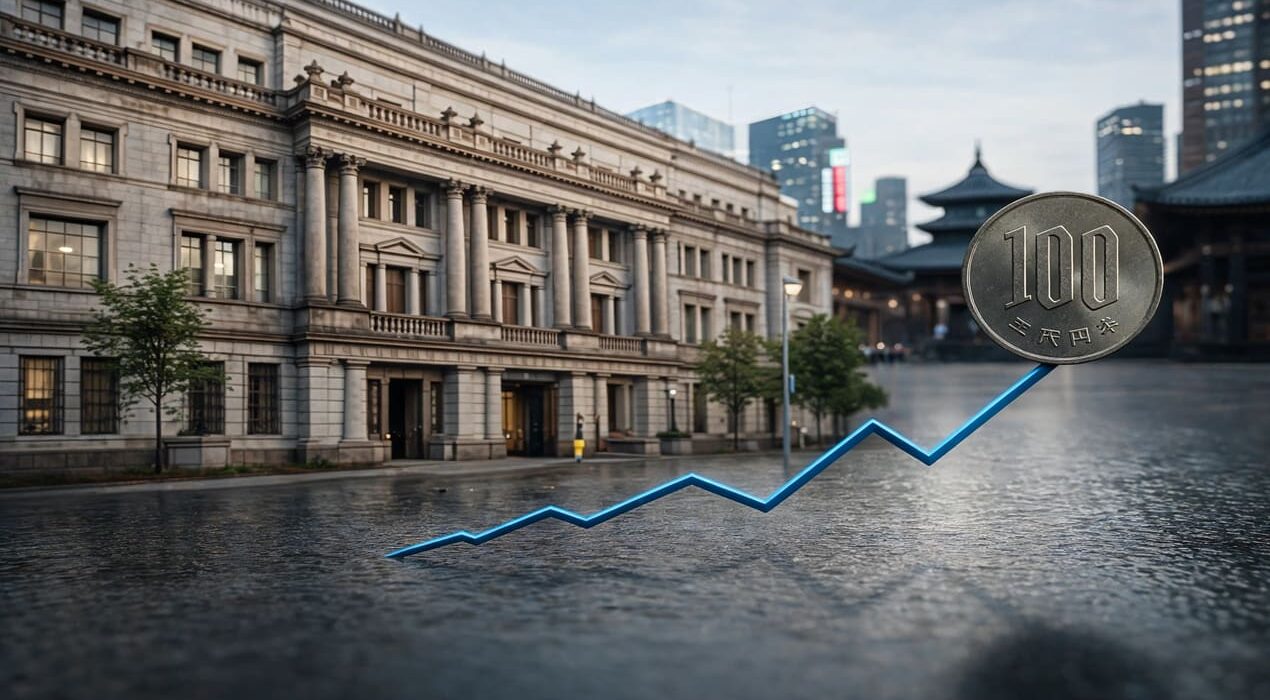
Japan has raised its interest rate to 1%, the highest level since 1995. This Japan rate hike marks a major shift in policy. The move shows growing confidence in the country’s economic recovery. The Bank of Japan increased its policy rate from 0.75% to 1%. This decision comes as global inflation continues to rise. For example, higher energy costs have pushed living expenses upward.
In addition, other central banks have tightened policies this year. Therefore, Japan also felt pressure to act. Officials now aim to control inflation while supporting steady growth.
Moving Away From Long Term Low Rates
Japan kept interest rates near zero for many years. This approach helped fight deflation and weak growth. However, the situation has changed in recent times. Economists now see signs of an inflation cycle. As a result, emergency policies are no longer needed. The Japan rate hike reflects a return to normal monetary policy. Wholesale prices rose over 6% in May. Meanwhile, overall inflation remains below the 2% target. Still, rising expectations could push inflation higher in the future.
Challenges and Economic Risks
The Bank of Japan faces a difficult balance. Higher rates can reduce inflation. However, they also increase borrowing costs for businesses and the government. Global tensions have also added pressure. For instance, rising fuel prices affect countries that rely on imports. Japan remains highly dependent on energy from abroad. Despite risks, officials believe the economy will stay stable. Government support has helped households manage rising costs. As a result, the impact of global events may stay limited.
What This Means for Japan and Beyond
The Japan rate hike could strengthen the yen. A stronger currency may reduce import costs. However, it could also affect exports. Compared to other economies, Japan still has low rates. The United States and United Kingdom maintain rates above 3%. Meanwhile, Australia holds rates at 4.35%.
Even so, Japan’s policy shift sends a clear signal. The country is ready to move forward after decades of slow growth. Going ahead, markets will closely watch future decisions.