Structural Overhauls Advised to Unlock Cultural Tourism Potential
A comprehensive heritage analysis reveals that Pakistan’s cultural tourism sector requires a unified national management framework to elevate its standing on the UNESCO World Heritage List. Despite possessing a rich historical tapestry stretching from Bronze Age Indus Valley settlements to majestic Mughal strongholds, the nation currently places 58th in global heritage rankings. Experts attribute this stagnation to historical gaps in strategic nomination planning and federal-provincial coordination.
Addressing the Inscription Stagnation
While Pakistan maintains six highly prestigious inscribed UNESCO World Heritage sites, no new locations have successfully transitioned past the initial tentative list since 1997. There are currently 26 historical and natural sites nominated on the country’s tentative list waiting for administrative progression. Securing official inscription is heavily sought after by global planners because it dramatically boosts international visibility, increases visitor traffic, and attracts critical conservation funds.
Enhancing Administrative Synergies
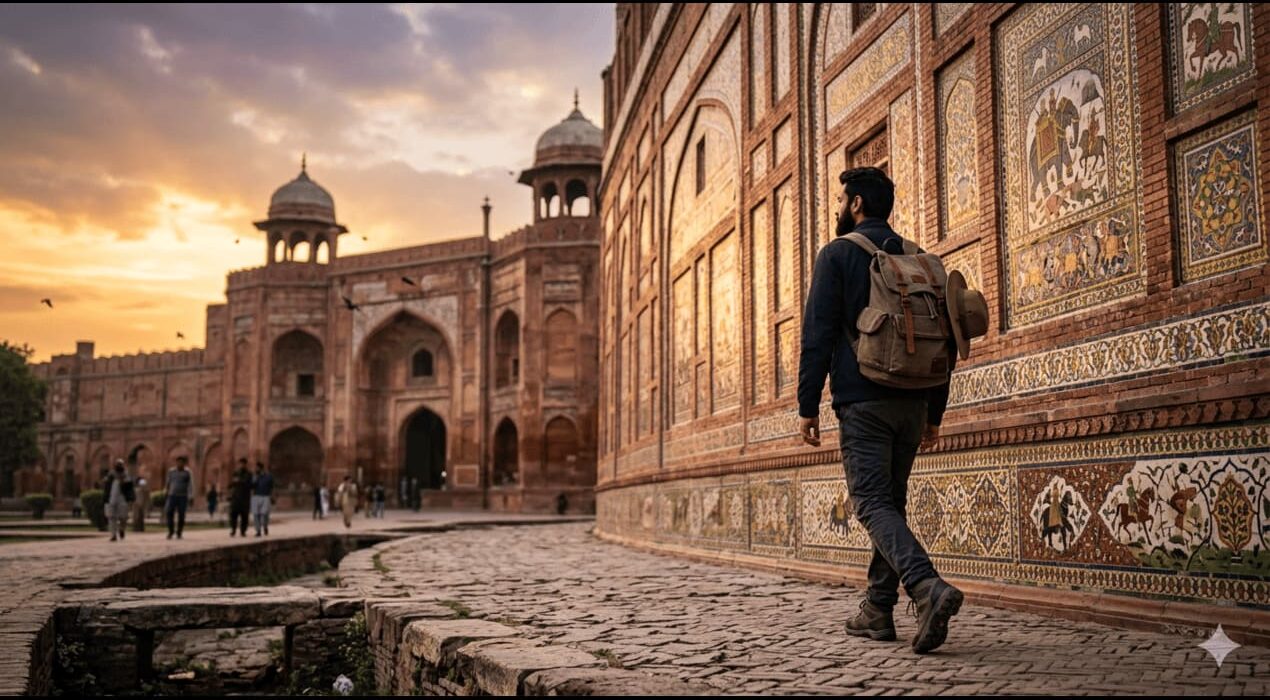
To break the multi-decade deadlock, cultural authorities emphasize that the Council of Common Interests must re-engage in active legislative discussions surrounding historical site preservation. Successful local preservation initiatives, such as the massive joint conservation of the 480-meter Lahore Fort Picture Wall, demonstrate that collaborative expertise can meet stringent global criteria. In conclusion, establishing robust, community-backed protection policies is the absolute key to transforming Pakistan’s historic landscapes into world-class heritage destinations.