G7 Economic Impact Iran War Strains Growth, Leaders Stay Cautious
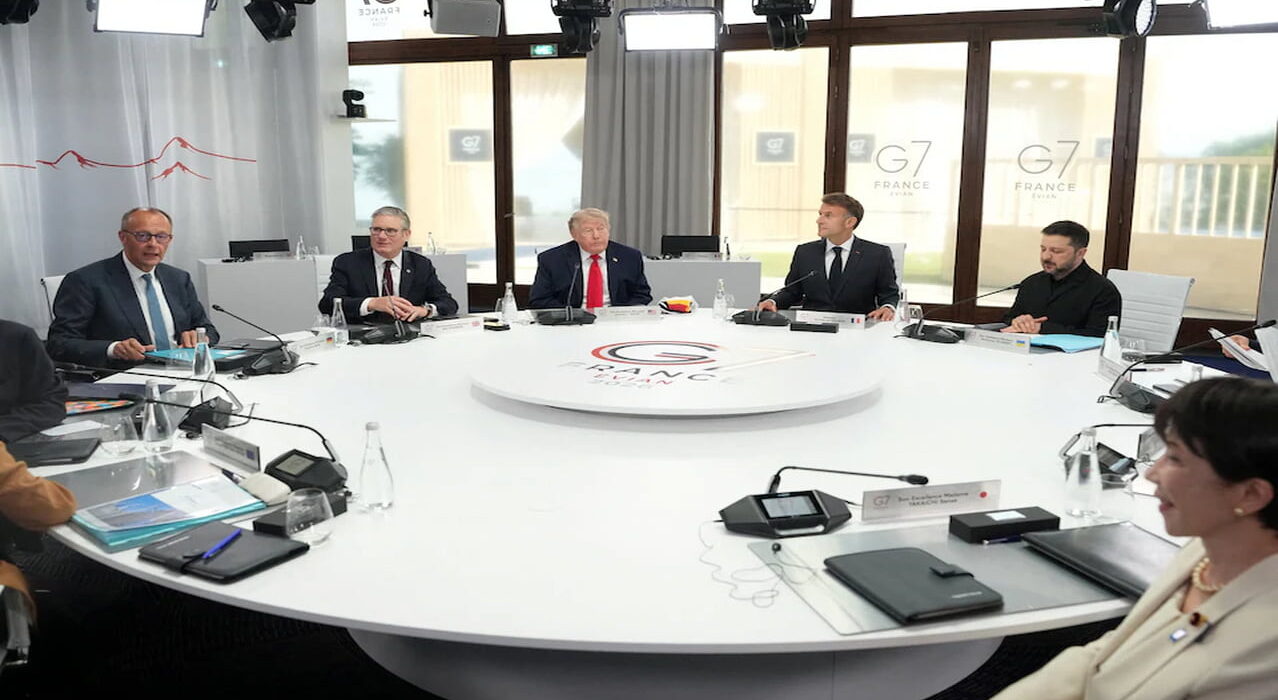
The G7 economic impact is becoming more visible as global tensions rise. Rising oil prices and inflation are slowing growth worldwide. However, leaders meeting in France are unlikely to directly criticize Donald Trump. Energy costs jumped nearly 30% during the conflict. As a result, households and businesses now face higher expenses. This situation is adding pressure on global markets.
Inflation and Energy Prices Surge
The war pushed oil prices higher and revived inflation fears. Therefore, central banks acted quickly to control the situation. For example, the European Central Bank and Bank of Japan raised interest rates. In addition, food supply concerns are growing in developing countries. Higher transport costs are making basic goods more expensive. This trend could worsen inequality worldwide.
Leaders Avoid Direct Confrontation
Despite concerns, G7 leaders are avoiding open criticism. They need U.S. support on key global issues. For instance, cooperation remains vital for NATO, trade, and Ukraine. Emmanuel Macron and other leaders are focusing on unity. Instead of conflict, they plan to discuss limited economic topics. This approach helps prevent tensions during the summit.
Temporary Relief Brings Cautious Optimism
A recent U.S.-Iran agreement has eased immediate fears. The reopening of the Strait of Hormuz improved market sentiment. As a result, oil prices have started to stabilize. However, experts warn that risks remain. If the deal fails, markets could face another shock. In addition, supply chains may take months to recover fully. The International Monetary Fund expects moderate growth ahead. It projects 3.1% growth in 2026 under a stable scenario. Still, a worst-case outlook shows growth dropping sharply.
Questions Over G7 Relevance
The G7’s global influence is shrinking over time. Emerging economies like India and Brazil now play larger roles. As a result, the group’s share of global GDP has declined. Even so, the G7 remains important during crises. It still shapes decisions affecting nearly half the world economy. Therefore, its role continues, despite growing competition.