Monsoon Disease Prevention: NIH Issues Fresh Advisory for Pakistan
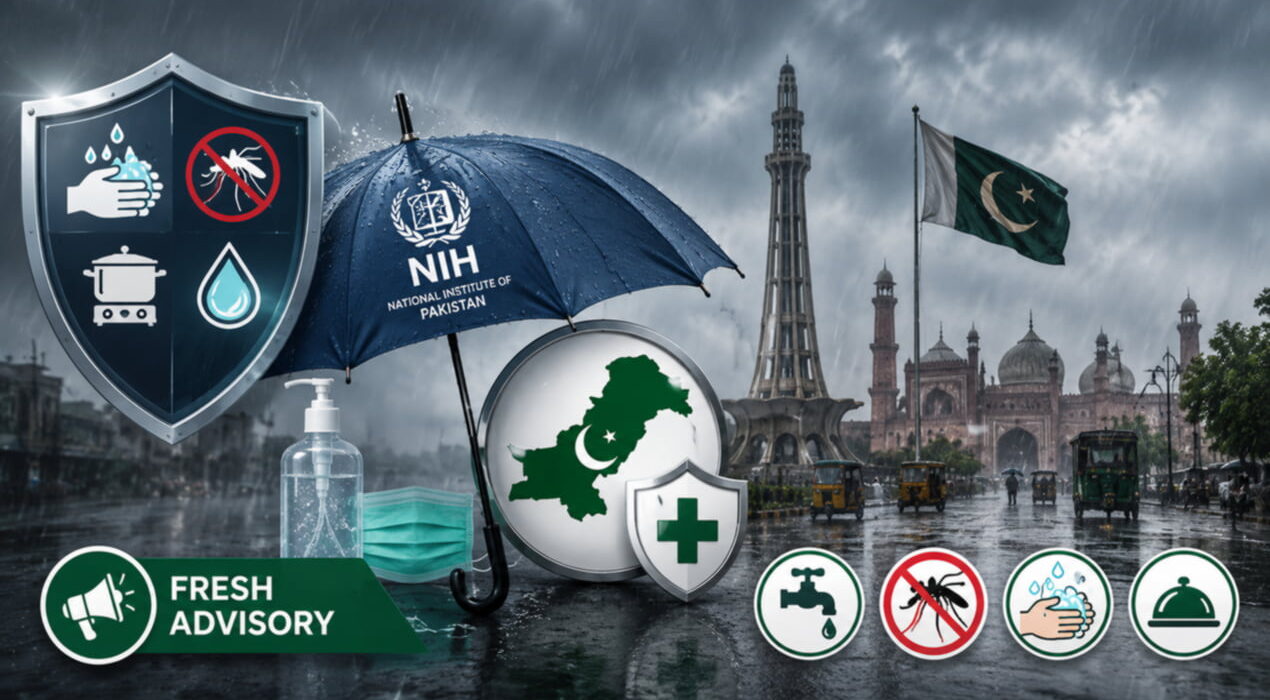
Monsoon disease prevention has become a national priority as the National Institute of Health (NIH) warned about rising health risks during the rainy season. The agency urged authorities and the public to take timely steps against infections linked to heavy rainfall and flooding. Pakistan often witnesses a surge in communicable diseases during monsoon months. Flooding, stagnant water, and damaged sanitation systems increase exposure to harmful germs. As a result, communities face greater health threats.
Why Monsoon Raises Health Risks
According to the NIH advisory, contaminated drinking water and poor sanitation can trigger outbreaks of acute watery diarrhea, cholera, and typhoid fever. In addition, standing water creates ideal breeding grounds for mosquitoes. Therefore, diseases such as malaria, dengue, and chikungunya become more common. People may also face leptospirosis and viral hepatitis A and E. Early awareness can help families recognise symptoms and seek medical care quickly.
Vulnerable Communities Need Extra Protection
Floods often force families to leave their homes. Many then move into temporary shelters where overcrowding becomes a challenge. Consequently, disease transmission may increase. Limited access to clean water and healthcare services can worsen the situation. Interruptions in routine health activities also affect prevention efforts. Children, older adults, and people with weakened immunity require special attention during this period.
NIH Calls for Timely Action
The NIH stressed the importance of preparedness and stronger disease surveillance. Health departments should improve monitoring systems and ensure early detection of outbreaks. Moreover, district administrations and healthcare facilities must coordinate their response efforts. Citizens should drink safe water, maintain hygiene, and eliminate stagnant water around homes. Monsoon disease prevention depends on collective action. By staying alert and informed, Pakistan can reduce illness and save lives this season.