Hidden Kidney Pathway Discovery Offers Hope for Better PKD Treatment
A surprising hidden kidney pathway may change how doctors understand kidney function and treat polycystic kidney disease (PKD). Researchers at Mayo Clinic discovered that kidneys use another method to conserve water. Unlike traditional theories, this process works without relying on the hormone vasopressin.
The study, published in the Journal of Clinical Investigation, challenges decades of medical understanding. Researchers say this finding could eventually improve treatments for people living with PKD.
A New Understanding of Kidney Function
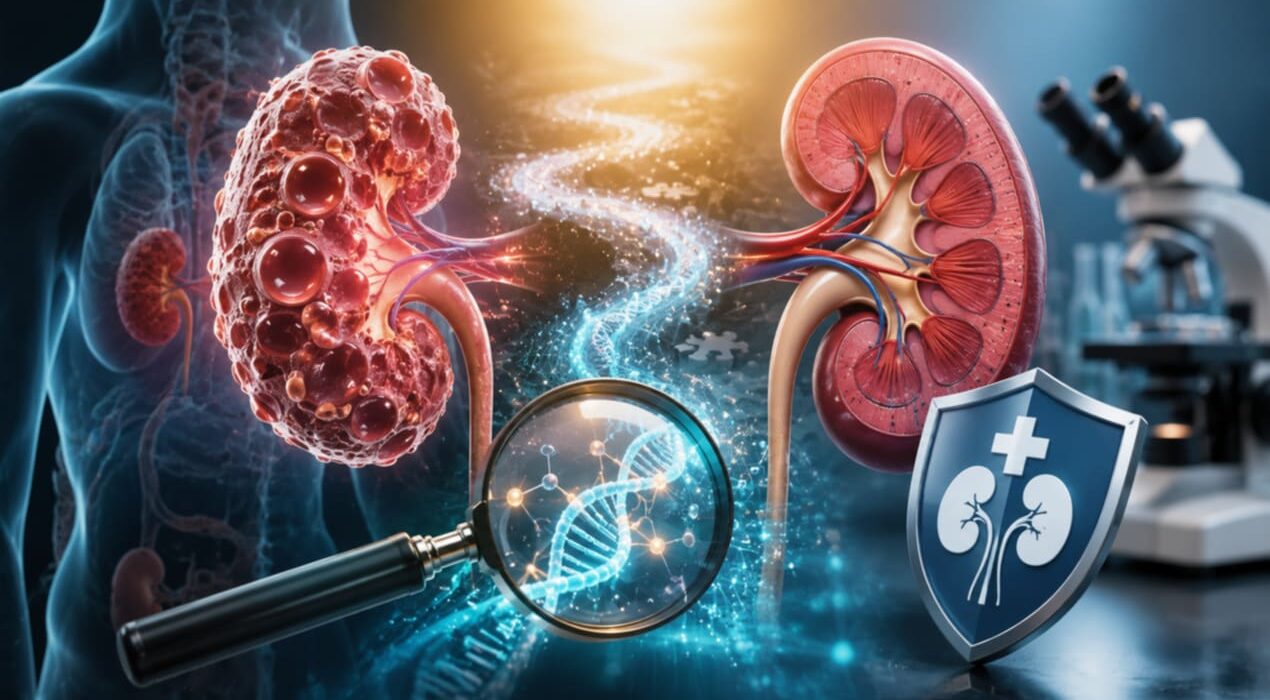
Scientists long believed vasopressin controlled the body’s ability to concentrate urine. However, the new study uncovered another pathway that helps kidneys retain water. Dr. Fouad Chebib and his team identified this mechanism while studying kidney cyst growth. The discovery adds an important layer to existing knowledge about kidney physiology. PKD causes fluid-filled cysts to develop inside the kidneys. Over time, these cysts can damage kidney function. Many people eventually require dialysis or kidney transplantation.
An Unexpected Drug Discovery
Researchers tested probenecid, an older medication once used alongside penicillin. They expected it to worsen cyst growth. Instead, the drug slowed it down. After repeating experiments, the team confirmed the surprising result. Further investigation showed that probenecid changes how kidney cells handle urate. Urate then triggers signals that move water channels to cell surfaces. As a result, kidneys can conserve water without vasopressin.
Hope for Future PKD Treatments
Current PKD treatment often causes excessive urination. Consequently, some patients stop taking their medication. In early studies, adding probenecid reduced urine volume by nearly 30%. Participants also reported better sleep and improved quality of life. Although probenecid is not the final answer, researchers hope this hidden kidney pathway will inspire targeted therapies that benefit future patients.