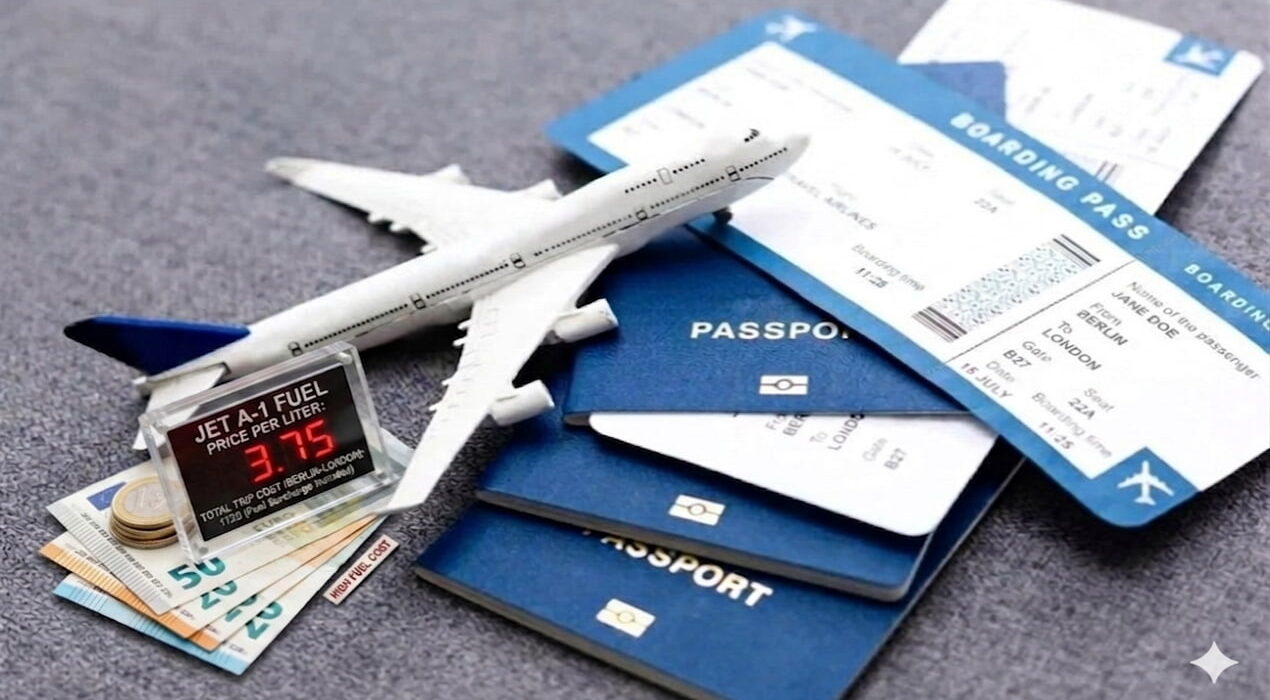
Airline Ticket Prices High Despite Fuel Relief
Airline ticket prices high remain a concern for travelers today. Oil prices dropped after a U.S.-Iran peace deal eased supply fears. However, airlines keep fares steady to protect profits. Carriers faced heavy fuel costs earlier this year. Therefore, they now use savings to rebuild margins. This shift delays any quick fare relief for passengers.
Limited Capacity Supports Pricing
Airlines still operate with limited seat capacity across many routes. As a result, demand often exceeds supply. This imbalance allows airlines to maintain higher ticket prices. In the U.S. market, fare increases lagged earlier fuel spikes. However, recent data shows strong fare growth near travel dates. Airlines now aim to recover full cost increases.
Global Impact Remains Uneven
Outside the U.S., fare changes vary across regions. Lower crude prices take time to impact jet fuel costs. Therefore, airlines may keep fares firm in the short term. In Europe, trends differ by route type. Long-haul fares may ease slightly due to past cost pass-through. Meanwhile, short-haul fares could stay elevated if demand rises.
What Travelers Can Expect Next
Lower fuel prices may reduce pressure on airlines over time. However, strong travel demand keeps pricing power intact. As a result, immediate fare drops remain unlikely. Travelers should expect gradual changes instead of sudden price cuts. Airlines will likely adjust fares slowly while monitoring demand trends.